 EN
EN
EN
EN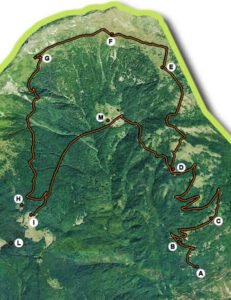
An attractive hiking loop for enthusiasts with a good workout that climbs in altitude and allows you to immerse yourself in nature, listen to its silences, its voices and lose yourself in its scents while enjoying truly unique views and panoramas.
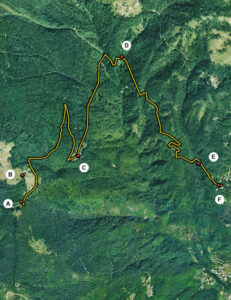
Beautiful scenery in the shade of pines and larches accompanies the hiker, who can enjoy unspoilt surroundings and oases of peace.
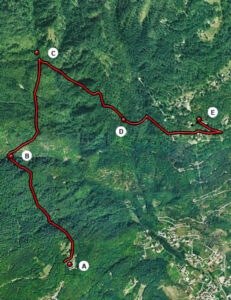
The route follows the route of the Sentiero del Sole.
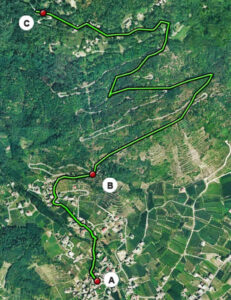
A narrow and steep mule track, it was the only link between Bratta and Bianzone along with a few paths. In the 1950s, the construction of a new driveway began, which reached the hamlet in 1971.
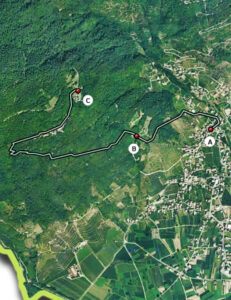
Until 1977, the year in which the Piazzeda road was built, the hamlet could only be reached by an old, steep and uneven mule track, the Strada vegia, which climbs up through the vineyards between the Mur Bianc and then enters the forest, offering the possibility of being totally immersed in nature.
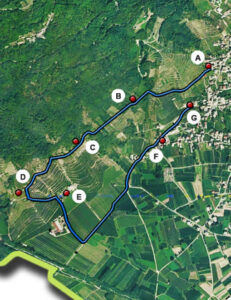
The Via del Vino is a route to be taken at a slow pace, enjoying the exceptional and delightful spectacle of terracing that has characterised the Bianzone coastline for centuries, comparable - as someone wrote - to an admirable man-made nativity scene.
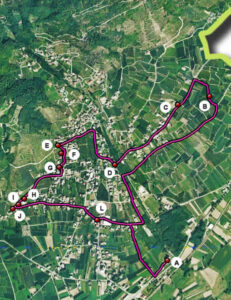
Many are the signs of the faith that characterise the village of Bianzone, which has no less than seven churches (including those in the hamlets), frescoes on various house façades and, located on the roads that lead from the village to the meadows and fields, the shrines that still bear witness to the faith of those who lived in our districts. The religious entities to whom they were dedicated were asked for protection and help in difficult times and comfort in the painful events of life.
The büi are the ancient wash-houses used in past centuries not only for drawing water but also for washing clothes. This itinerary crosses the village, touching on the various points where the fountains were and still are, authentic centres of sociability in village life in the past.
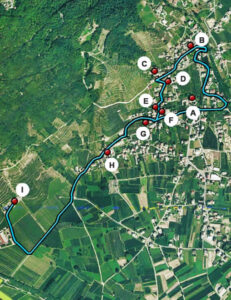
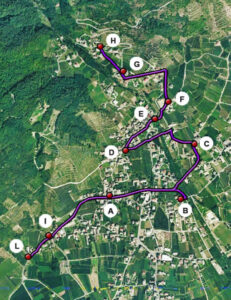
The route of the old-fashioned dwellings leads us to the rediscovery of two types of social conditions in which the townspeople lived, clearly evident in the diversity of the dwellings: the miserable peasant houses (which were almost all of them) and the patrician houses.