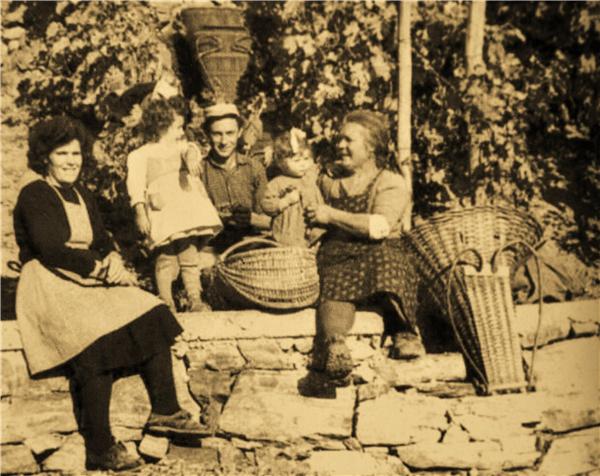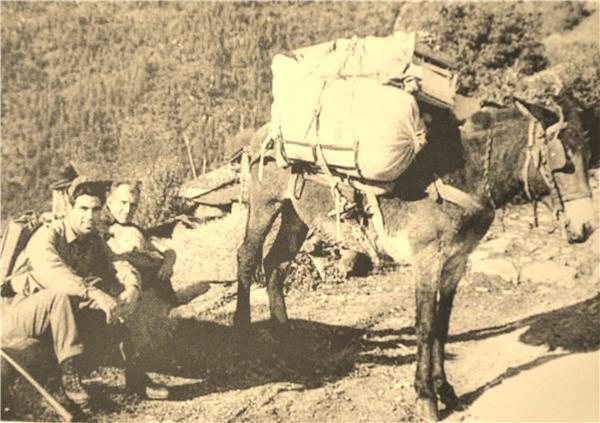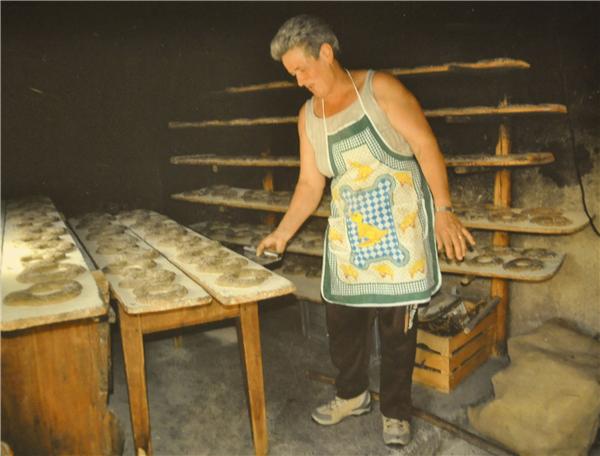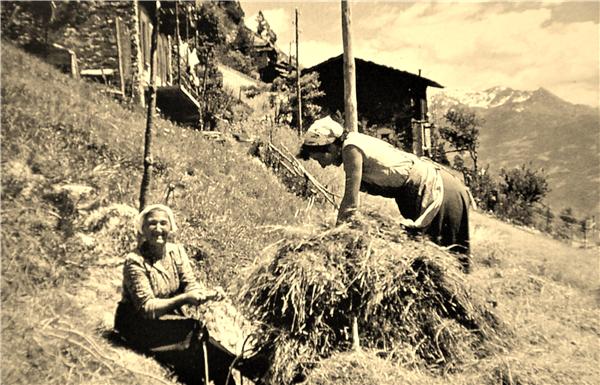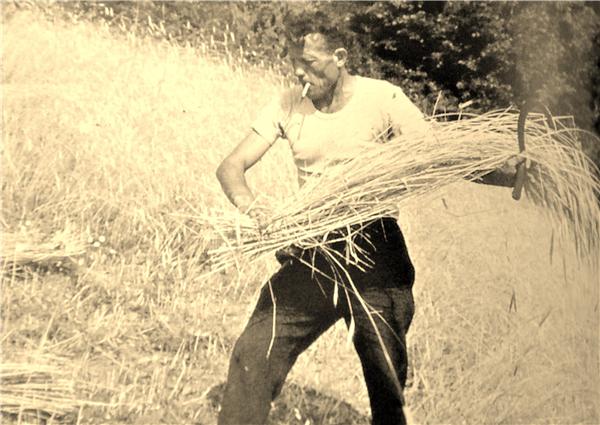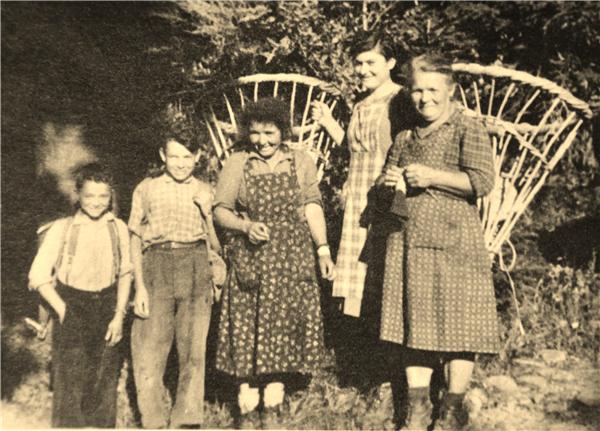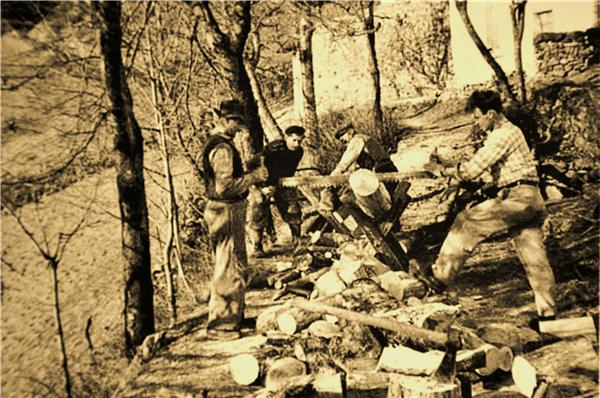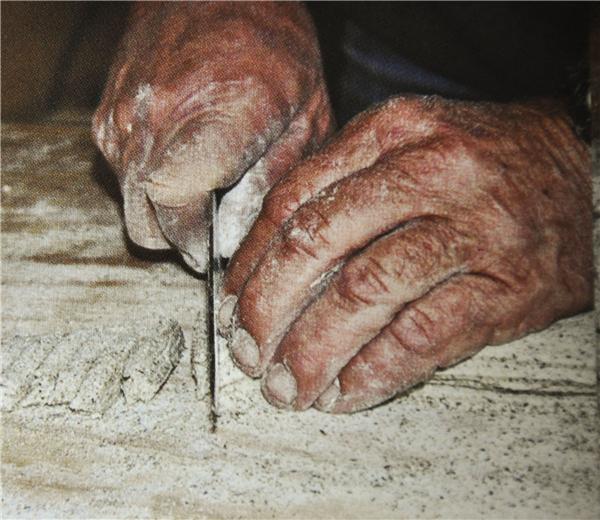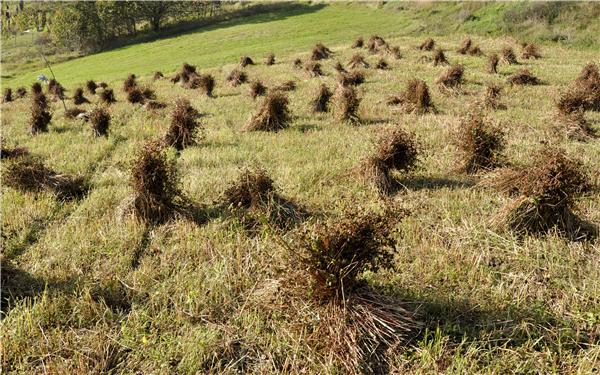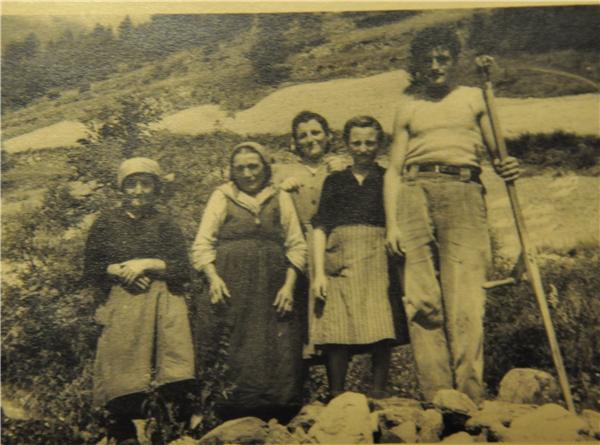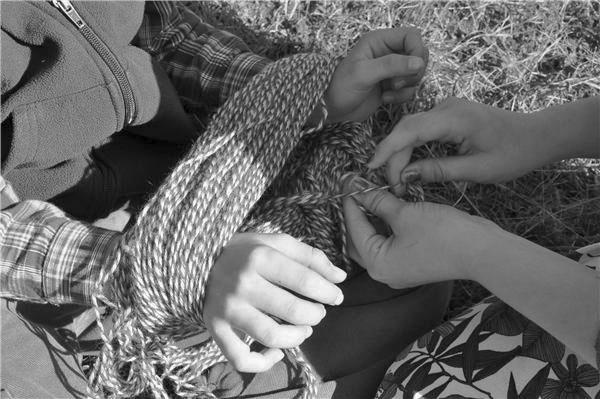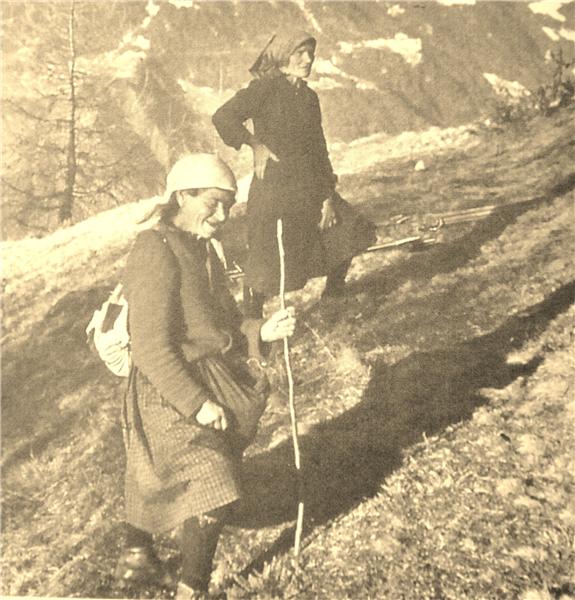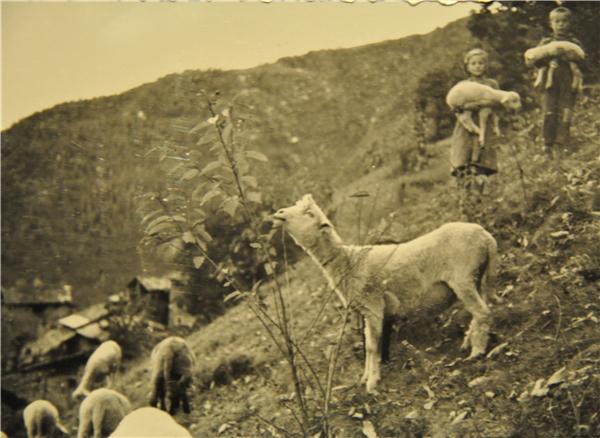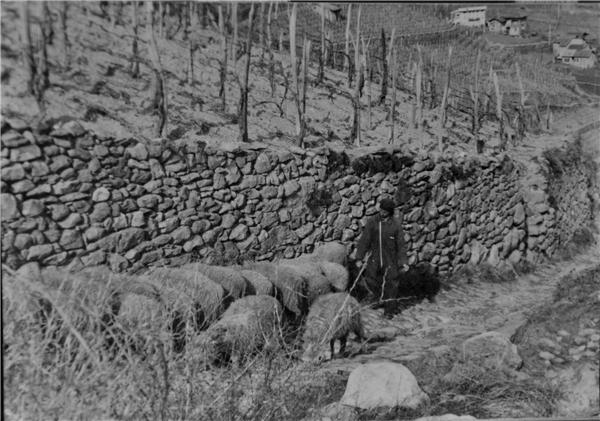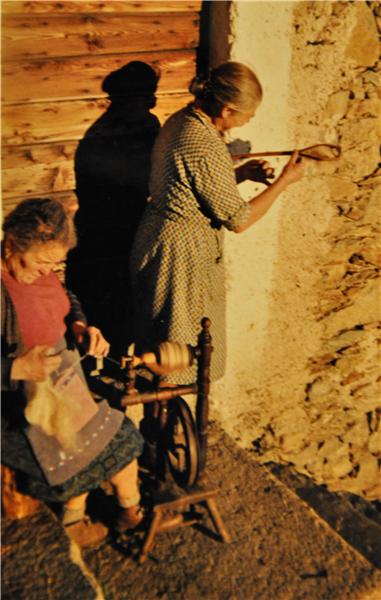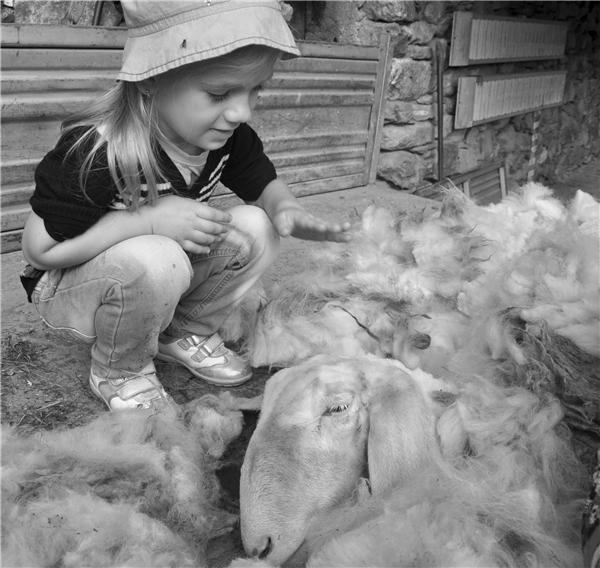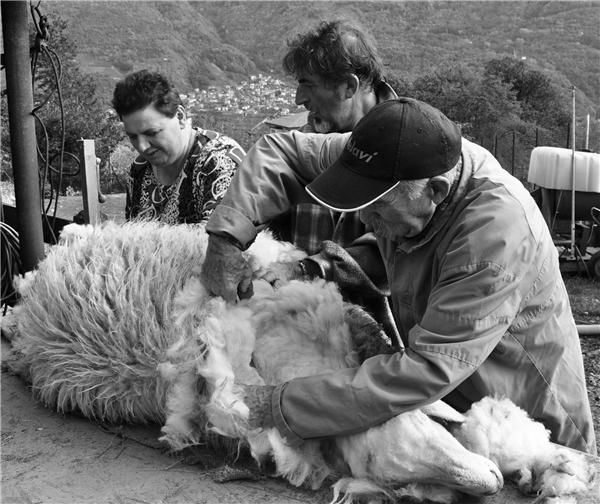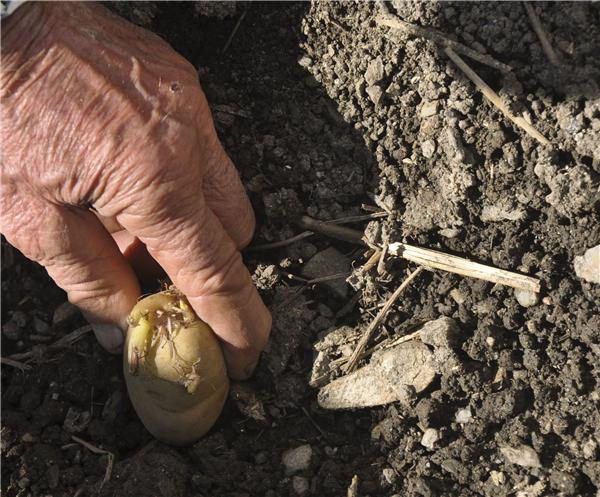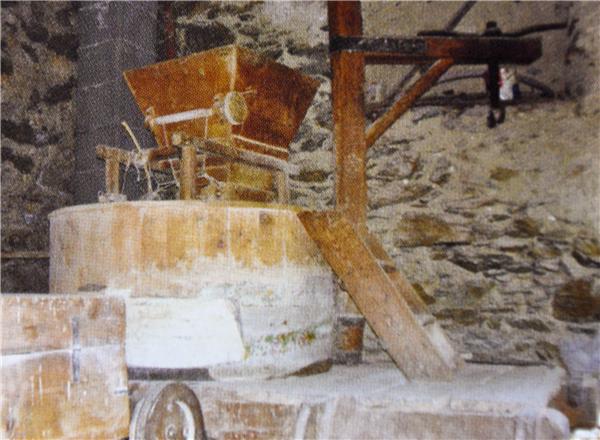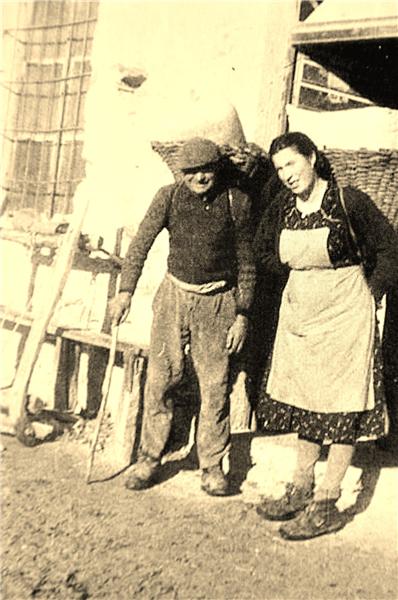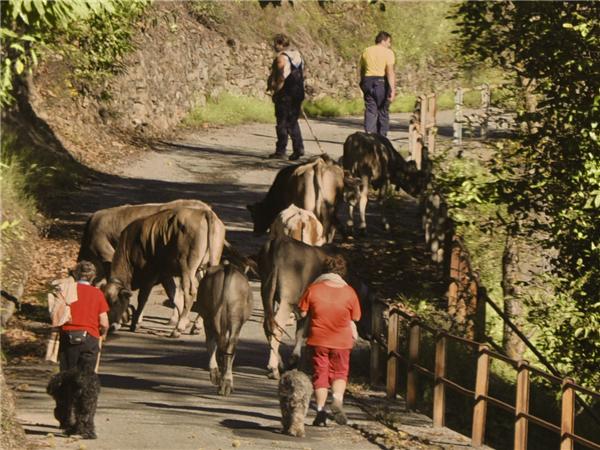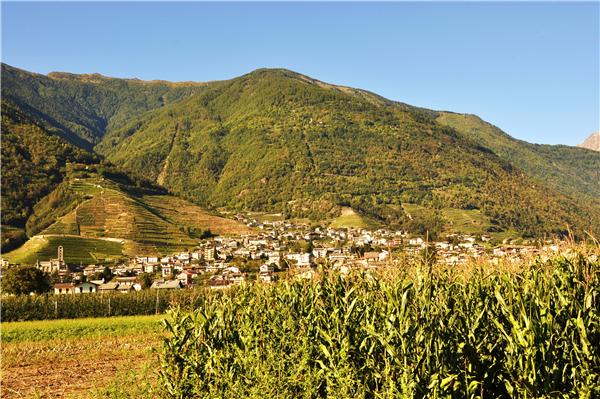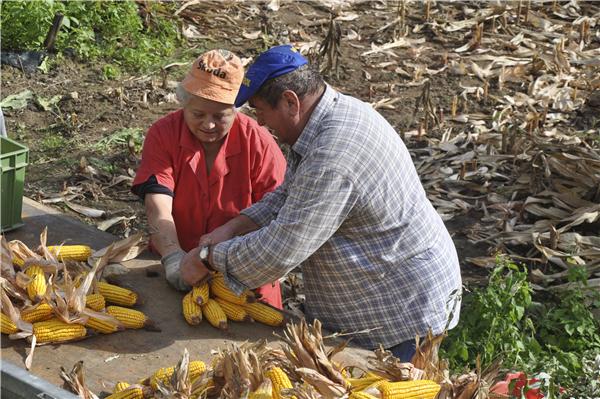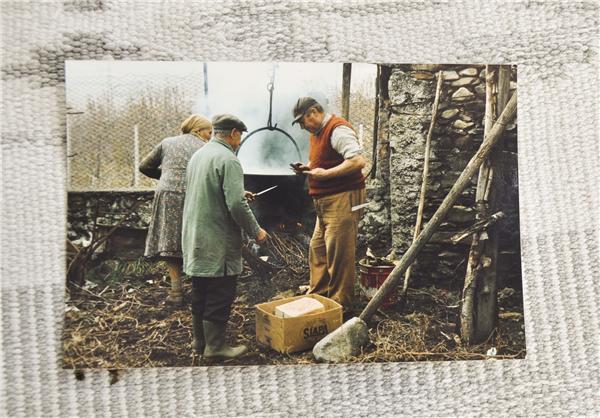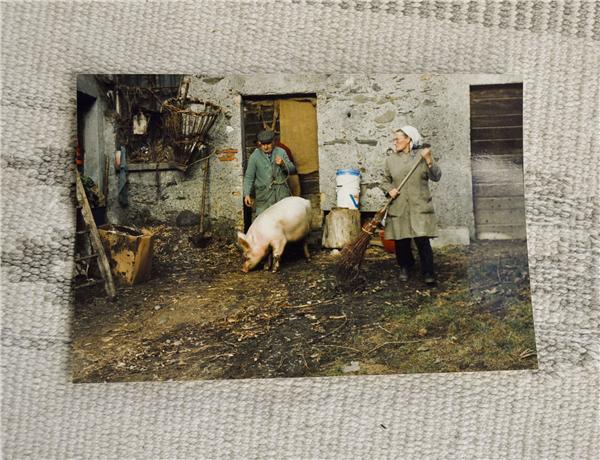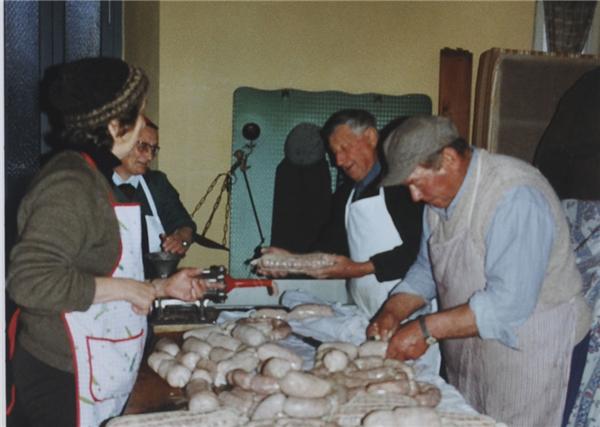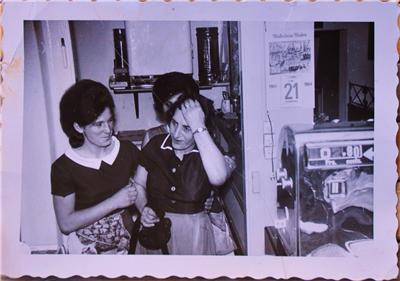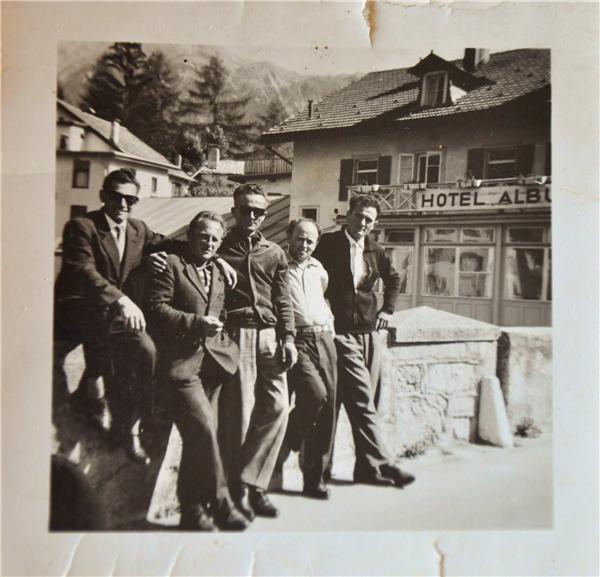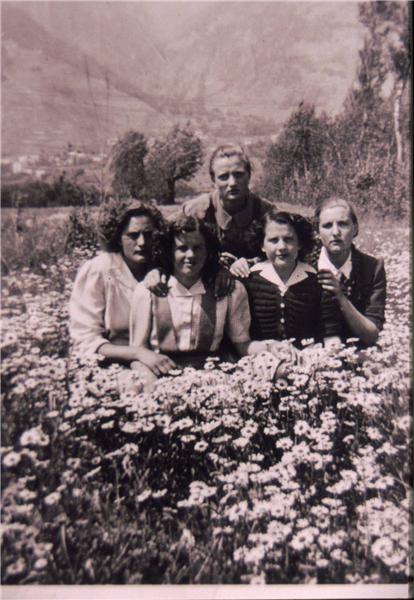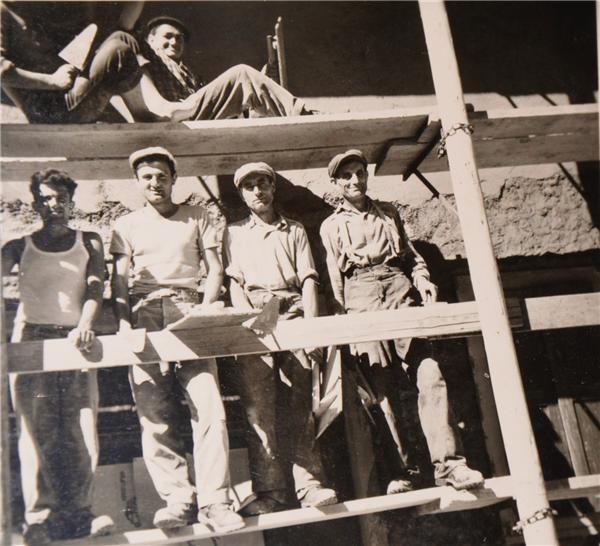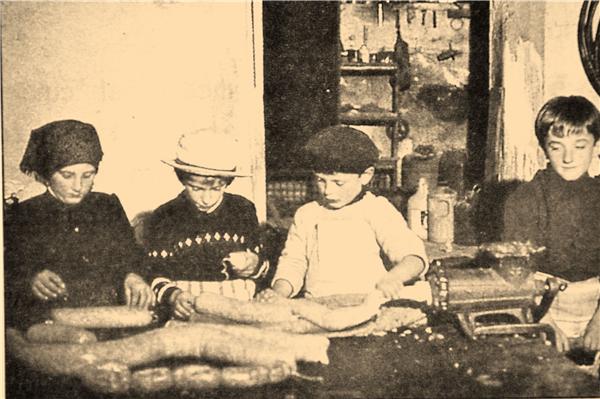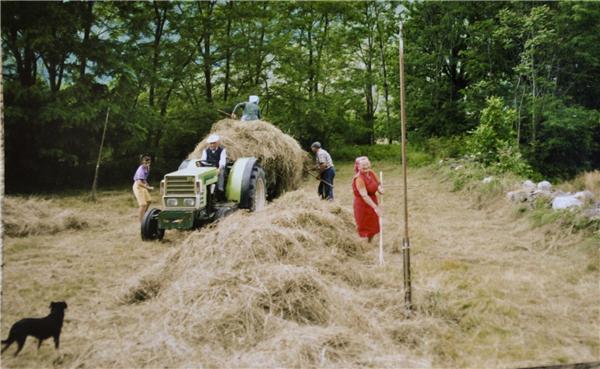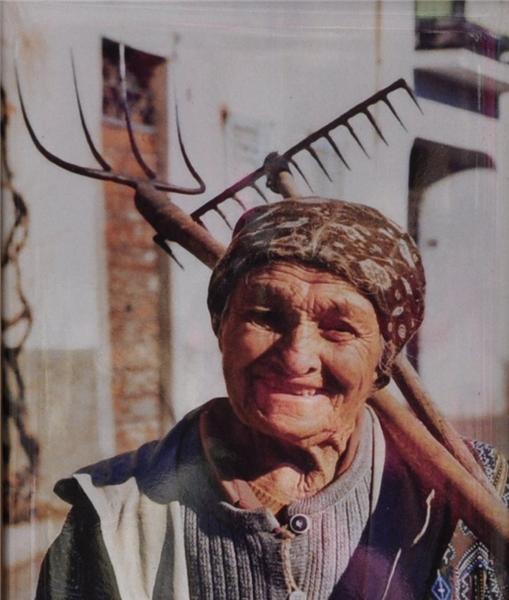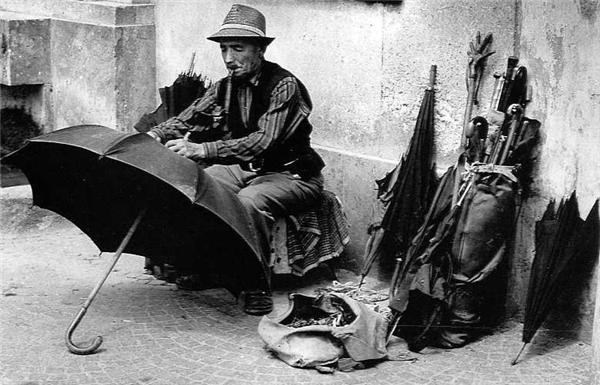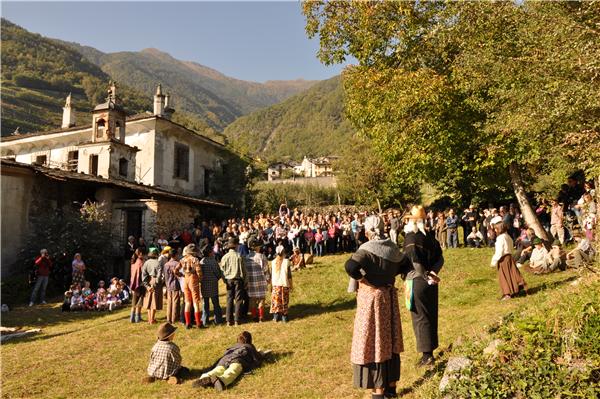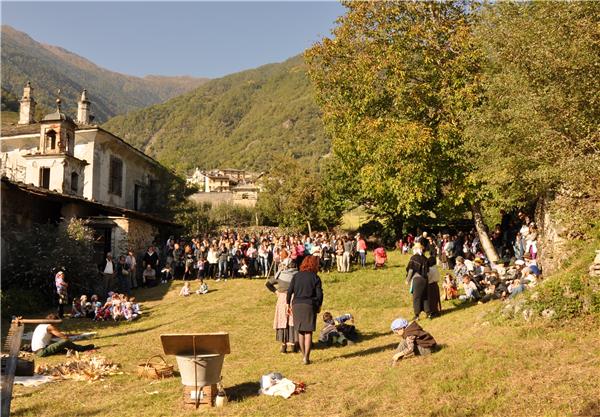

Until the 1950s, the voices, sounds and gestures of the various trades filled the courtyards and districts.
Doing and work understood as direct interaction between man and nature expressed a sense of existence in which each person felt himself to be the creator and participant in his own world, unlike today, when we feel less and less like participants, responsible and “actors” in the reality that surrounds us, but only frequenters and users.
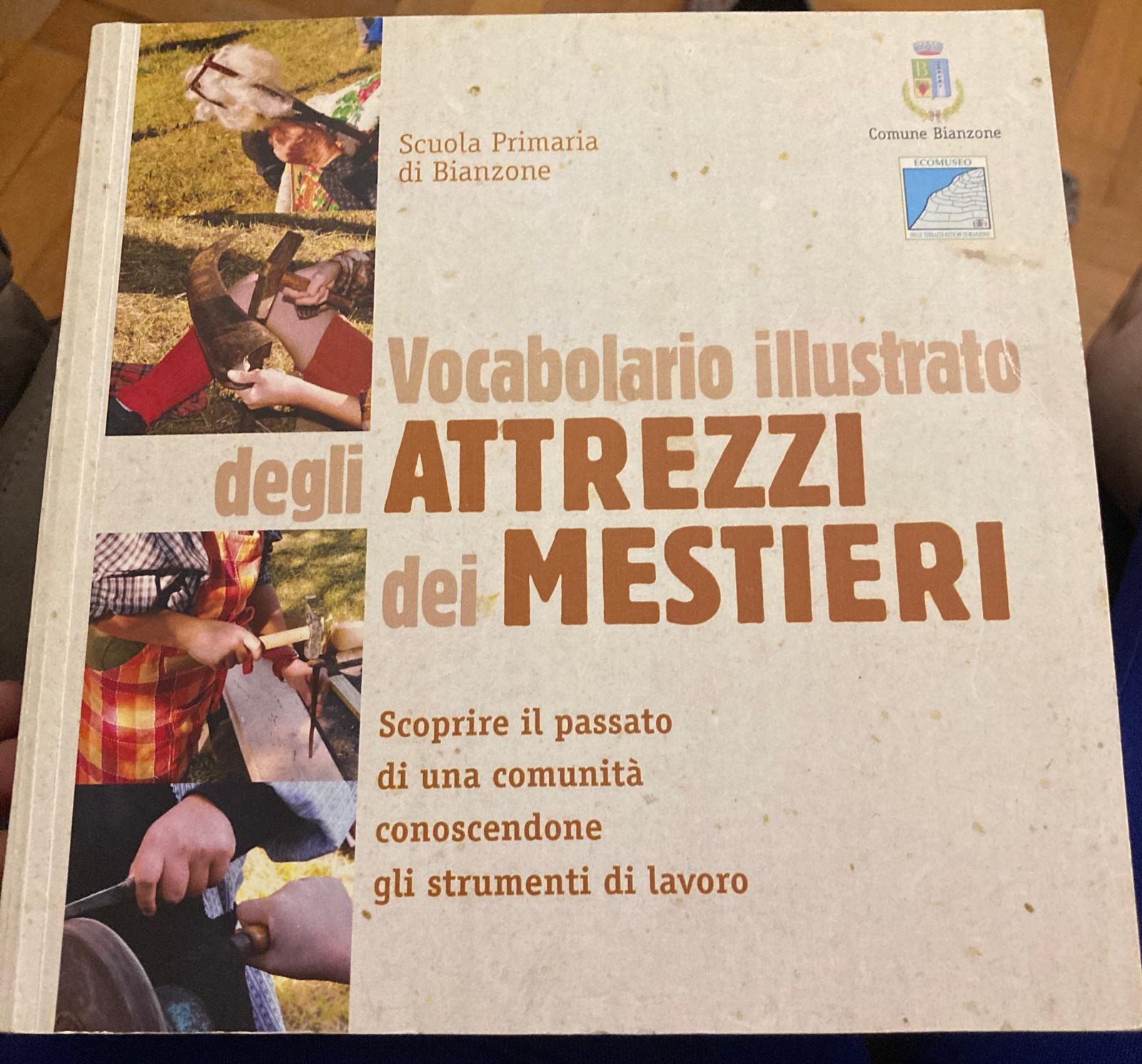
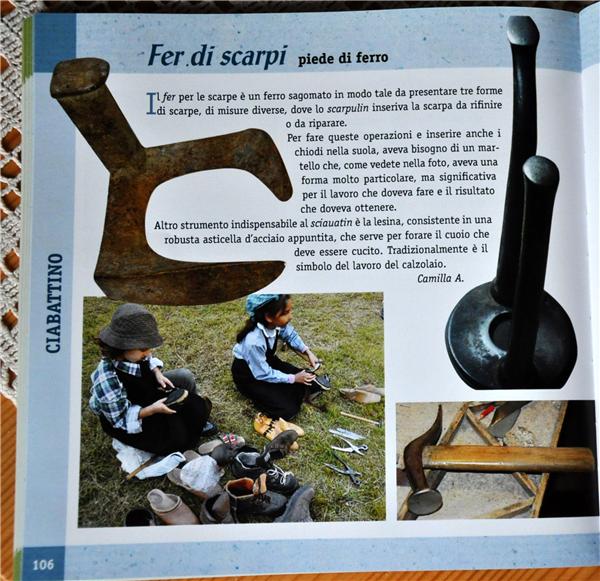
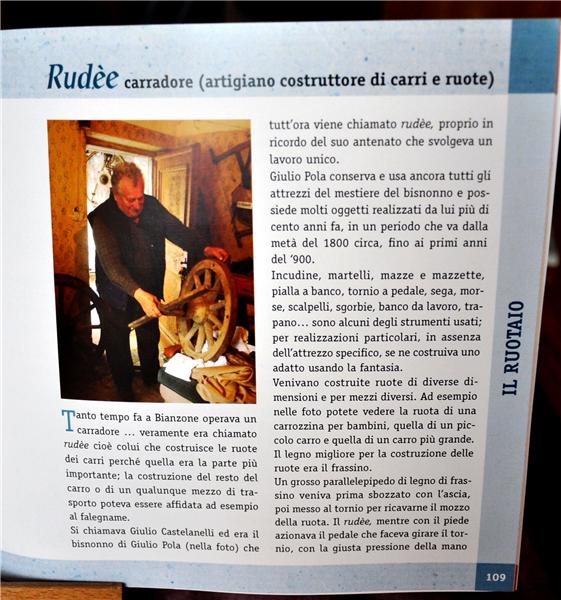
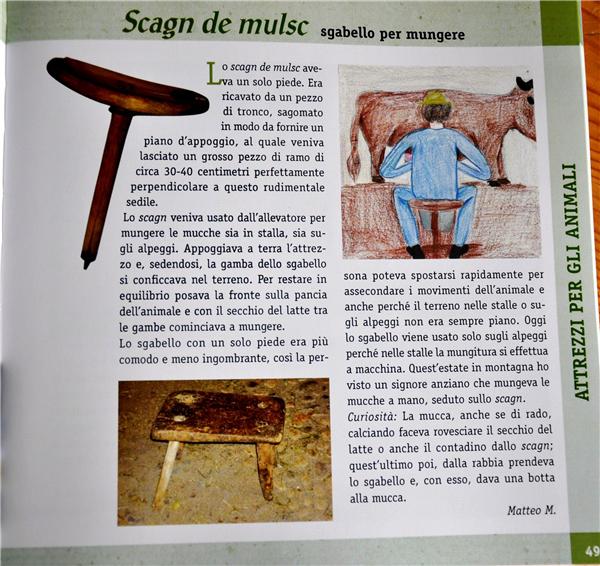
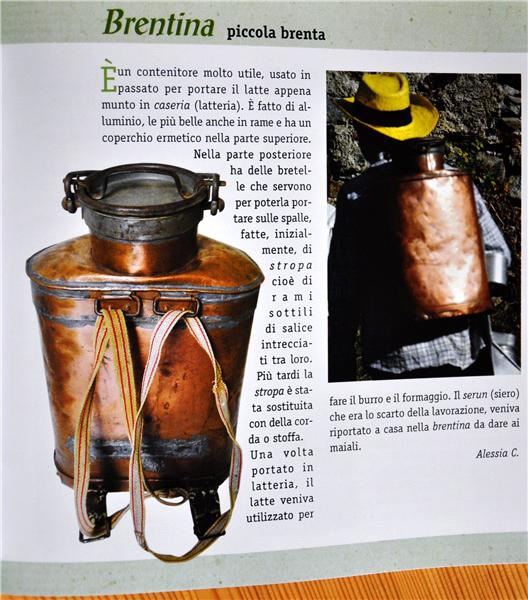
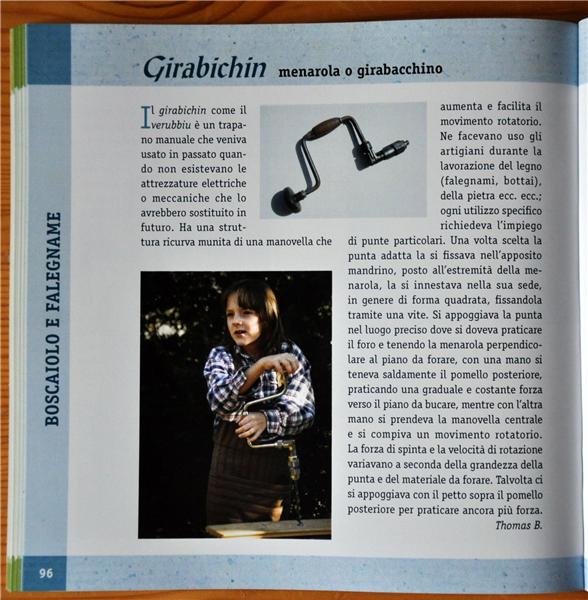
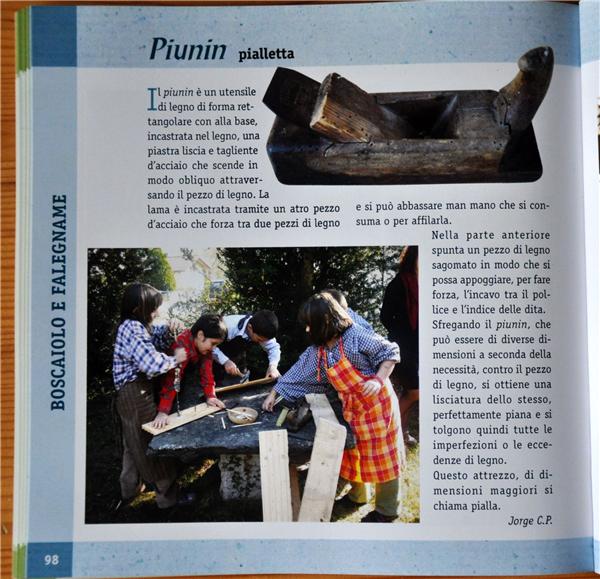
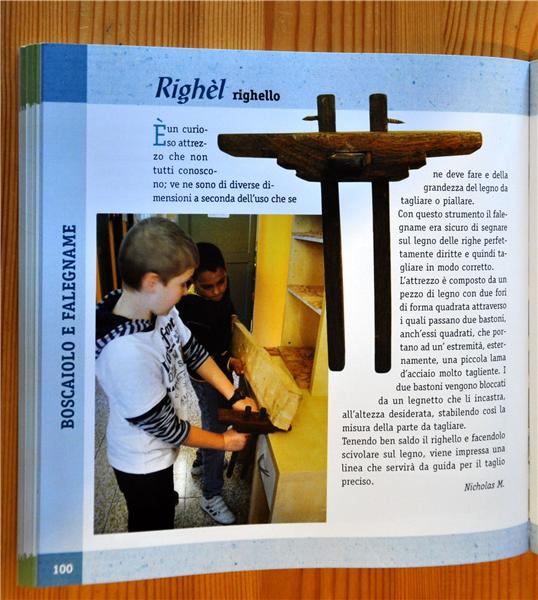
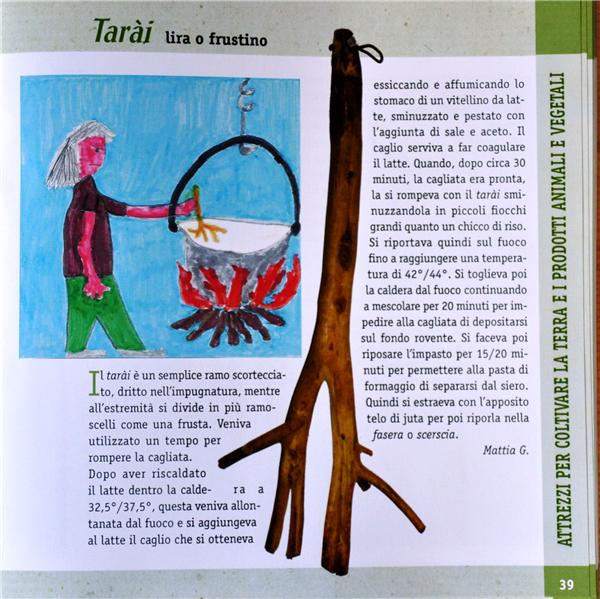
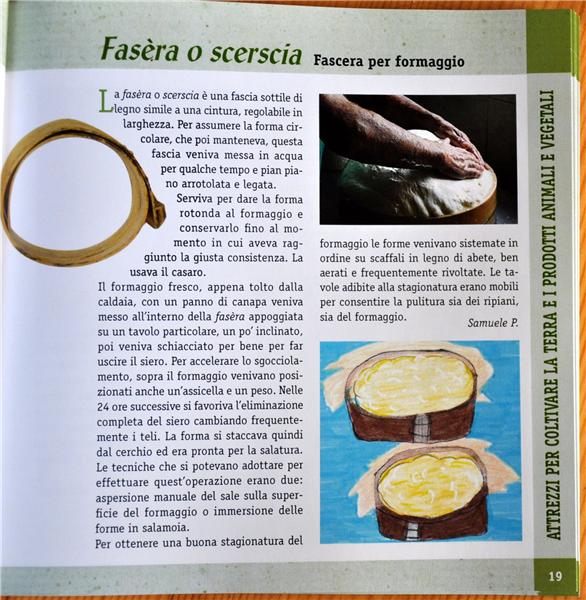
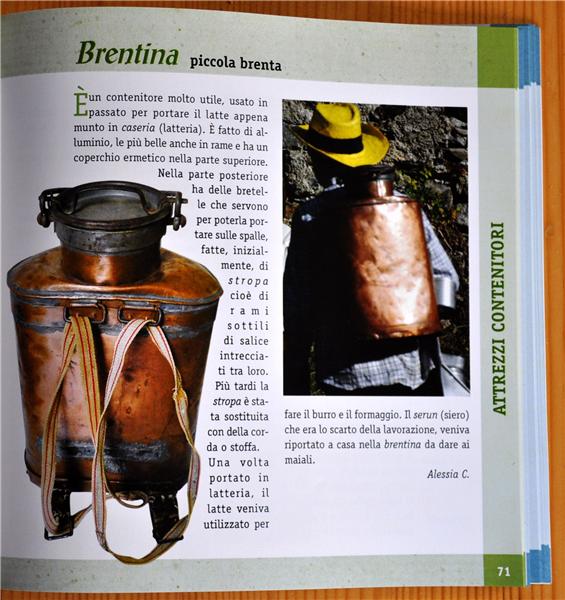
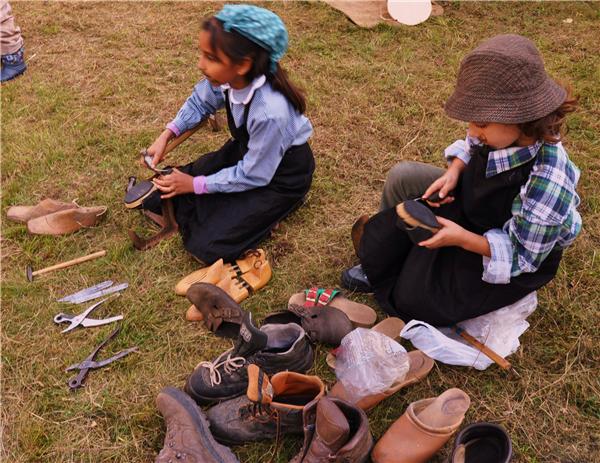
As part of the ecomuseum project: “Mapping Bianzone”schoolchildren, with the project “Learn art and put it aside” discovered the old trades that were carried out in the village in the past, they learnt the gestures and got to know the tools and processes, with the help of experts and people who made themselves available. The year-long work led to the creation of a “Vocabulary of tools of the trade”and, at the beginning of the school year following the organisation ofthe ‘crafts corners” in the garden of Palazzetto Besta.
Luciana Colombini, a primary school teacher, writes as follows:
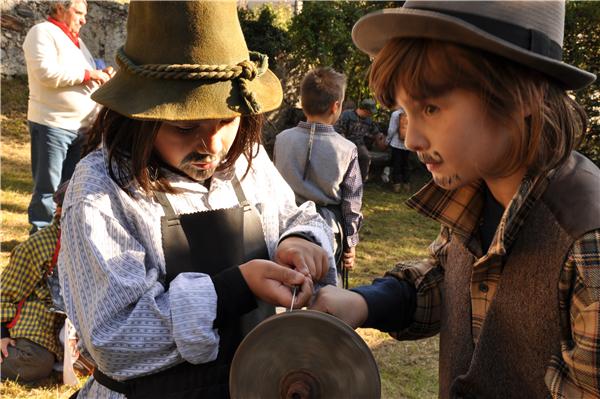
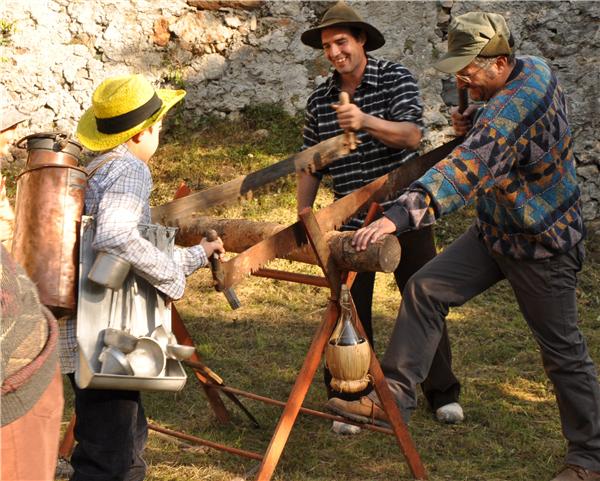
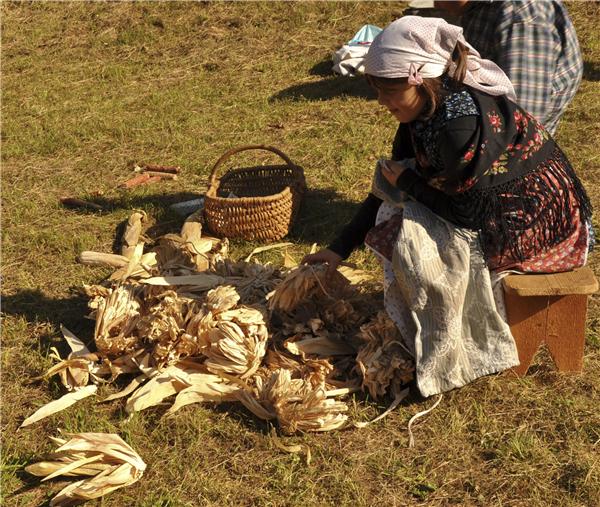
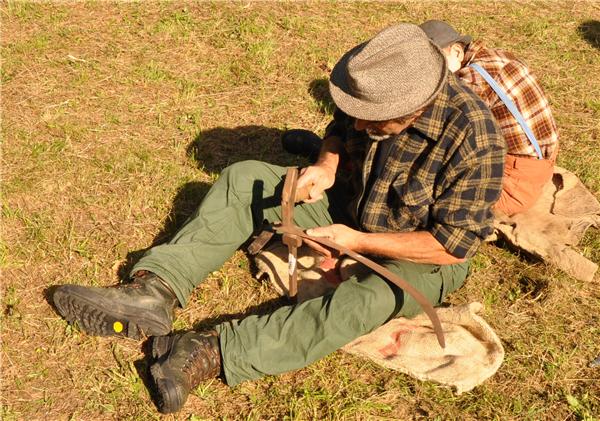
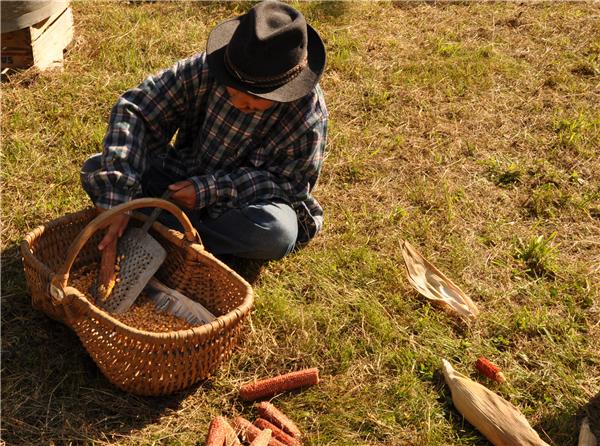
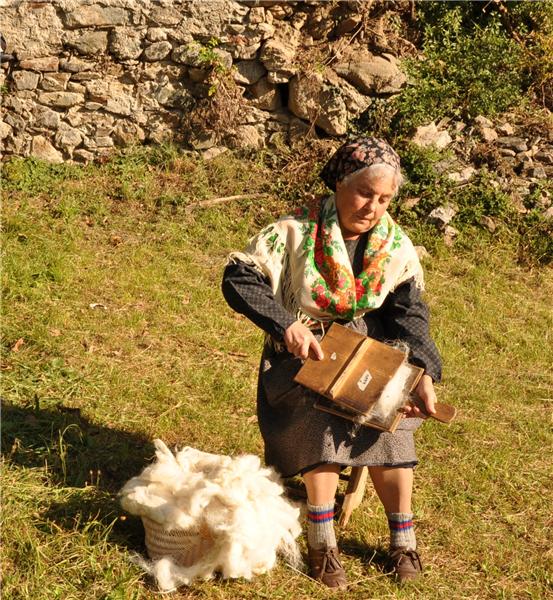
It was an open-air workshop where the children, appropriately disguised, individually or in groups, performed the ancient crafts that once characterised Bianzone.
The cobbler, the locksmith, the farrier, the carpenter, the farmer are the most classic, but there was no shortage of those who sharpened knives and scythes, those who made brooms, those who cut wood, those who raked the hay, who filava, who carded. There were also the hawkers such as the chimney-sweeper, the umbrella-sweeper, the ragman, the tinsmith, funny and curious characters who lent themselves well to being played and who once carried out their task by wandering around the villages.
È status It was nice to see how passionately the children imitated the ancient gestures, and it was even nicer to see some parents or grandparents sitting nearby trying to teach the “tricks of the trade”.
In fact, the message with this project is once again to recover the past in order to learn about our own traditions that are unfortunately disappearing.
With this image, which someone in the audience described as “a painting”, ends this pleasant day that exalted taste and art in its various forms and made the older participants relive pleasant moments from their past.
The illustrated vocabulary of old trades is available at the Ecomuseo office and the City Hall.