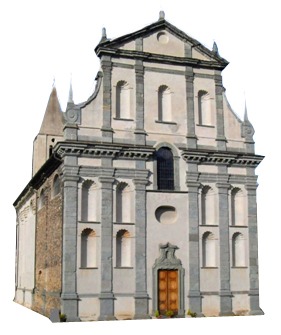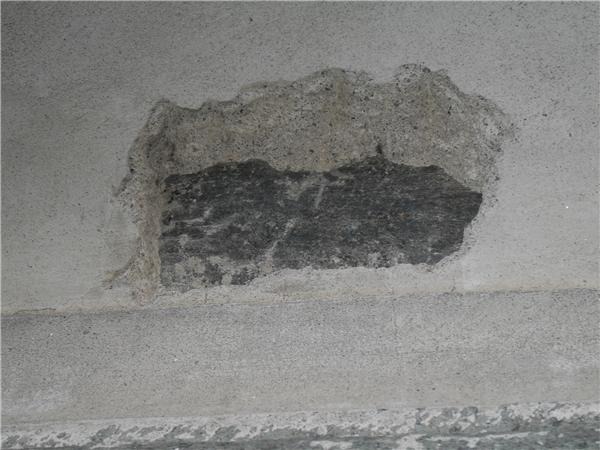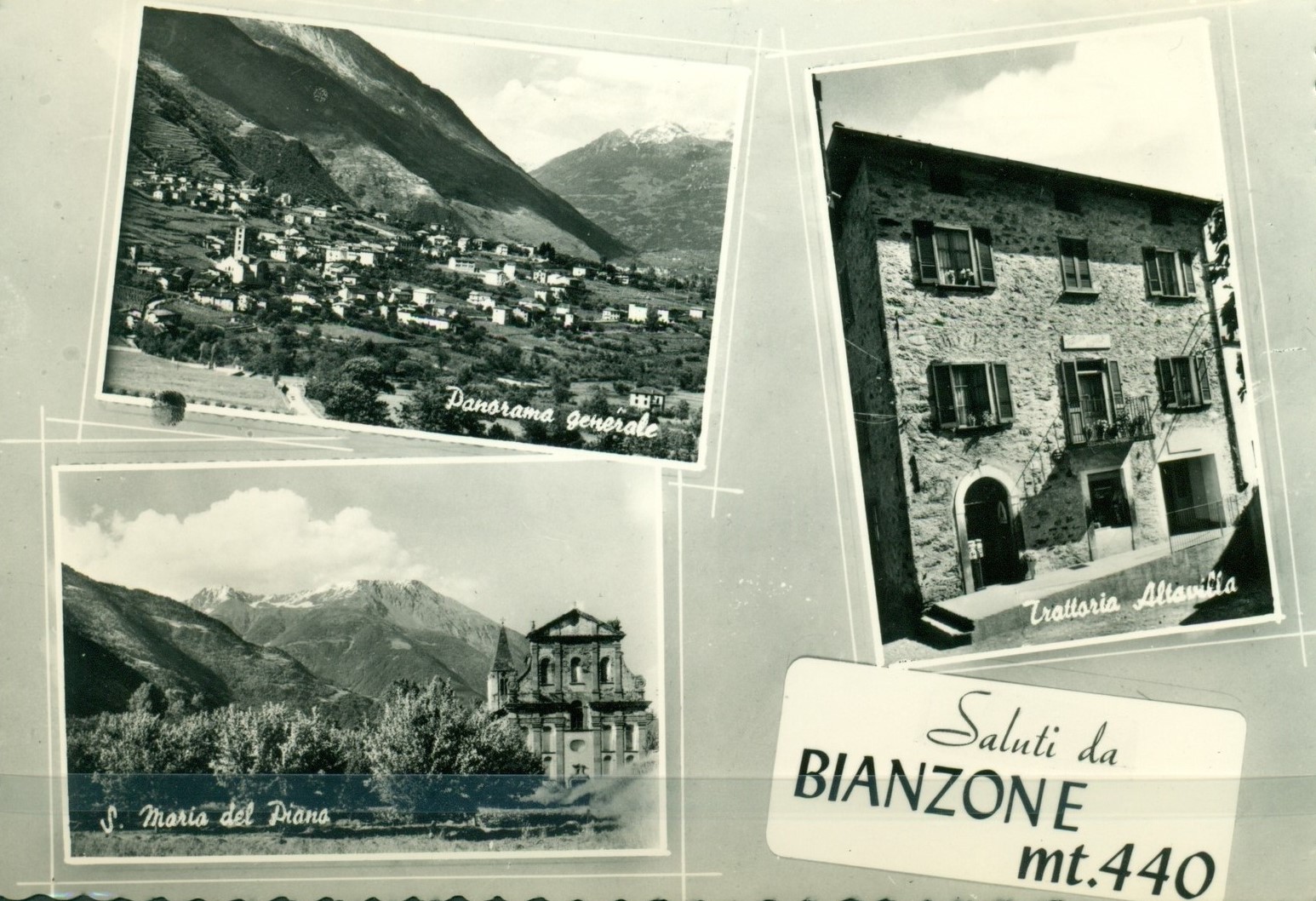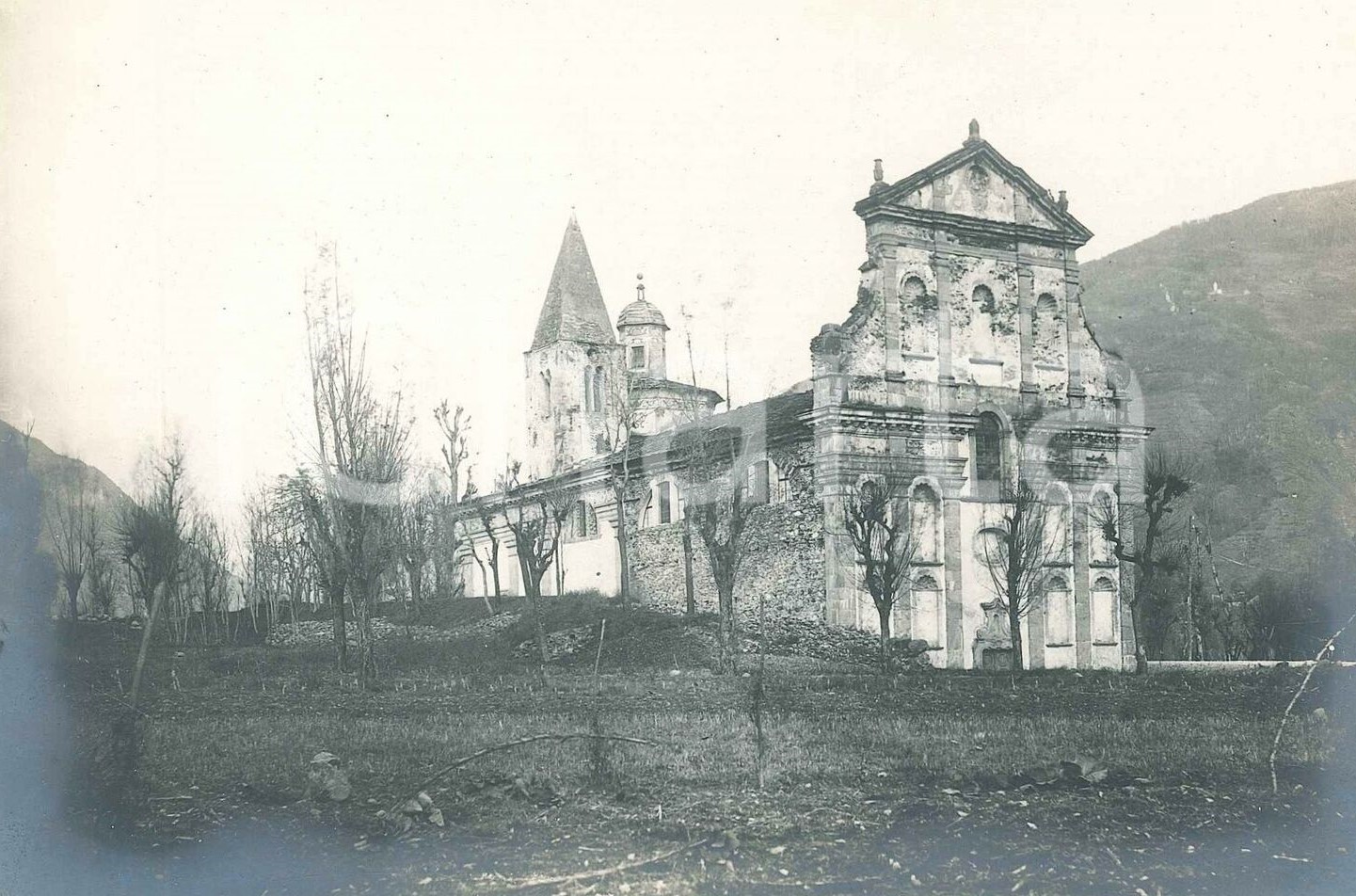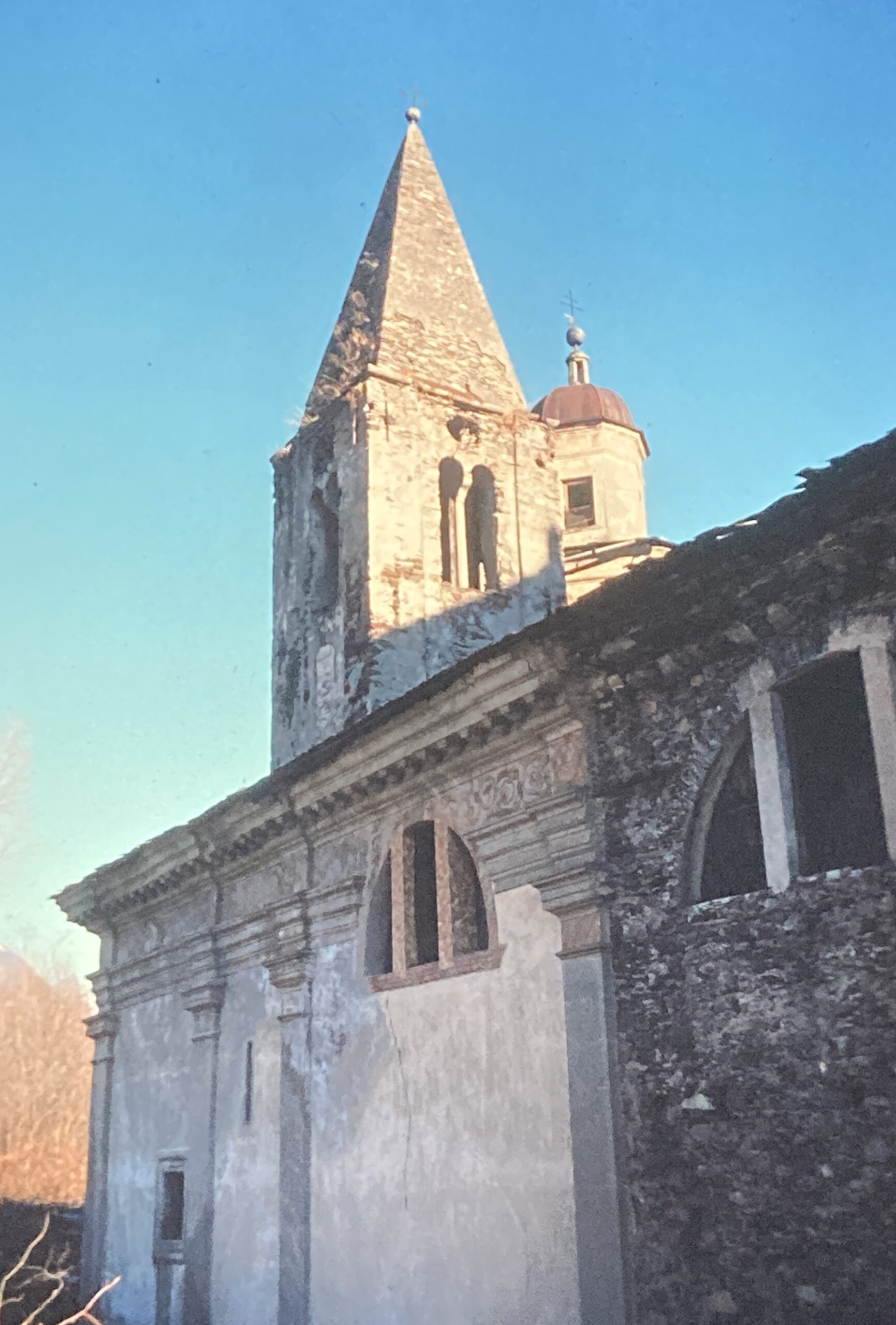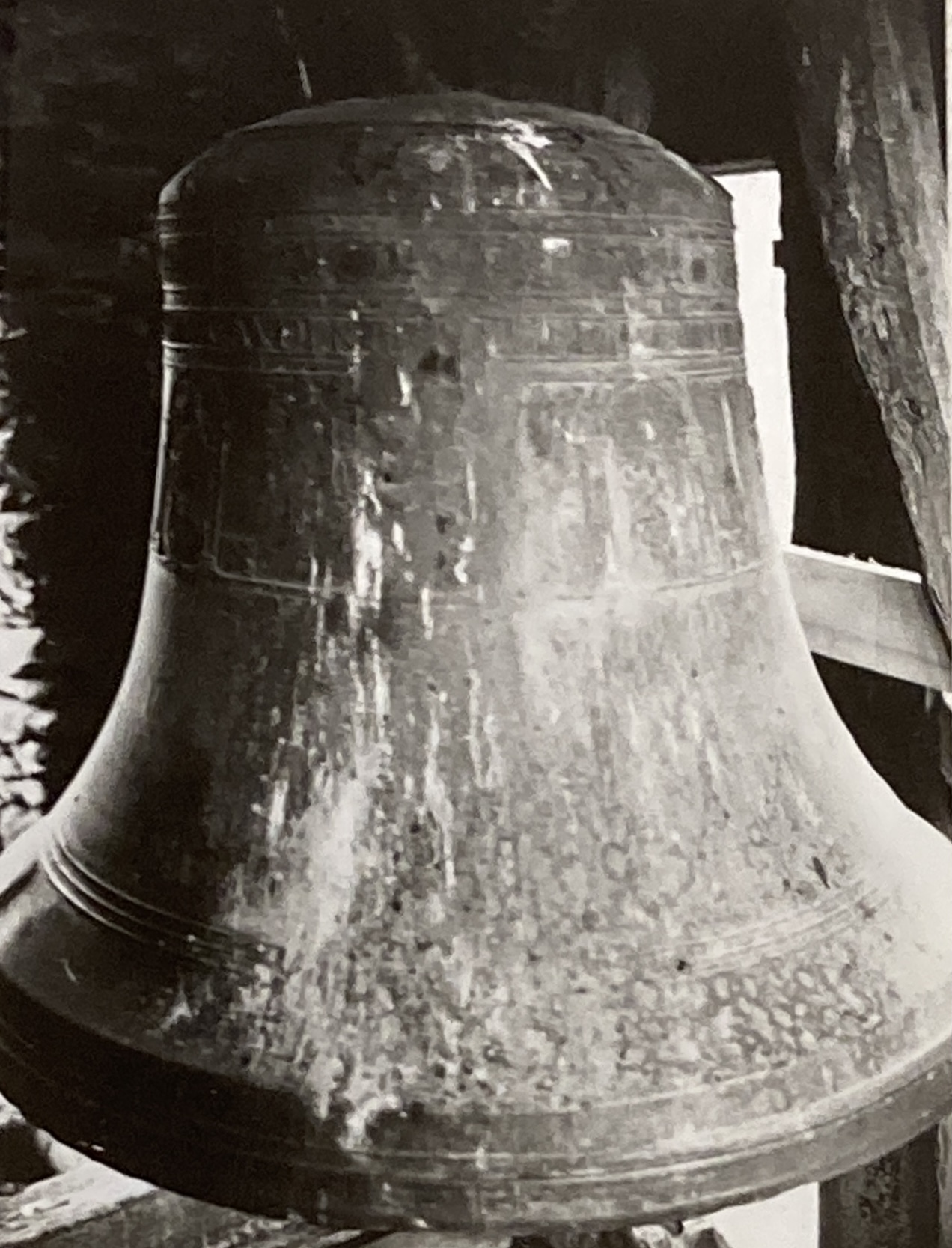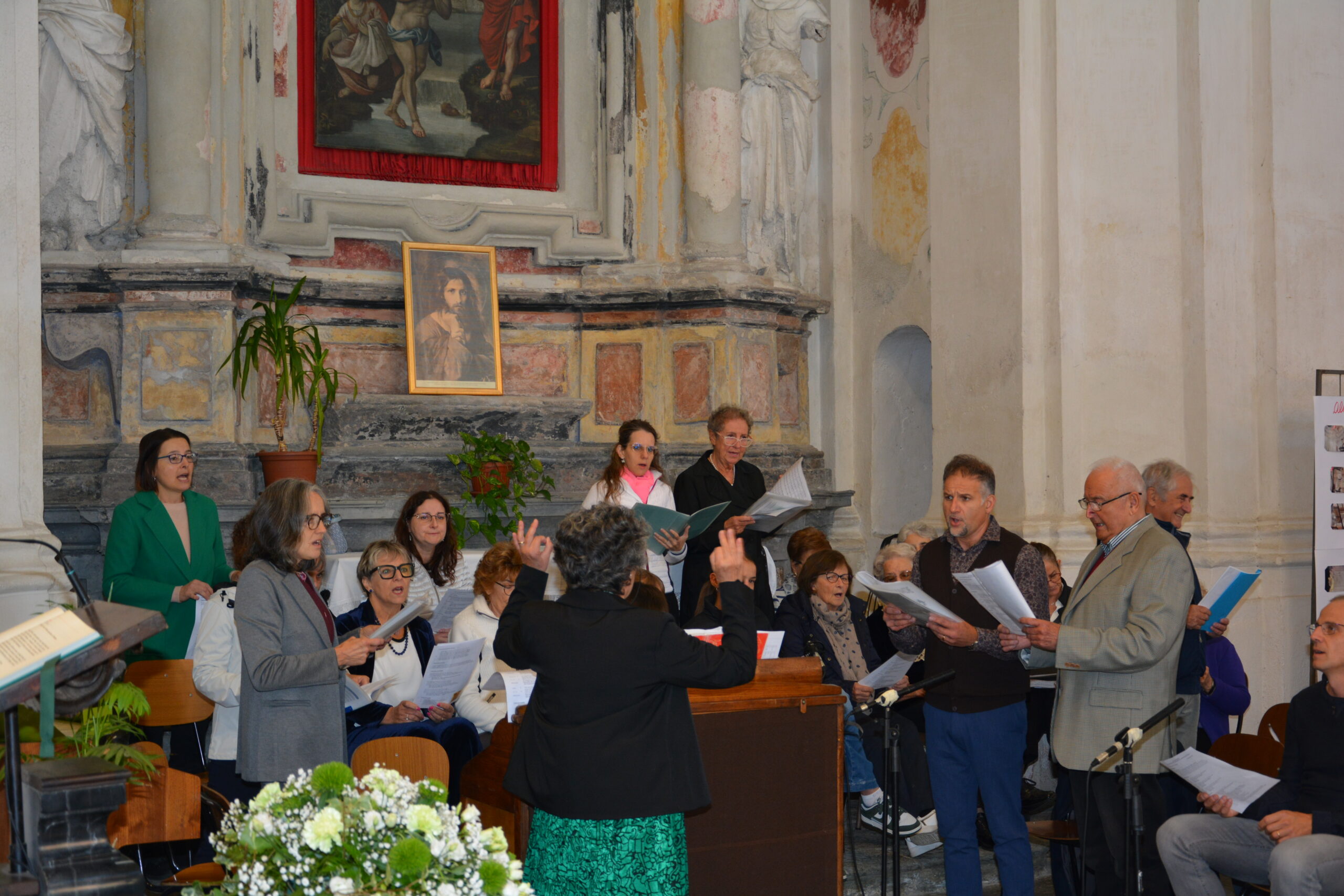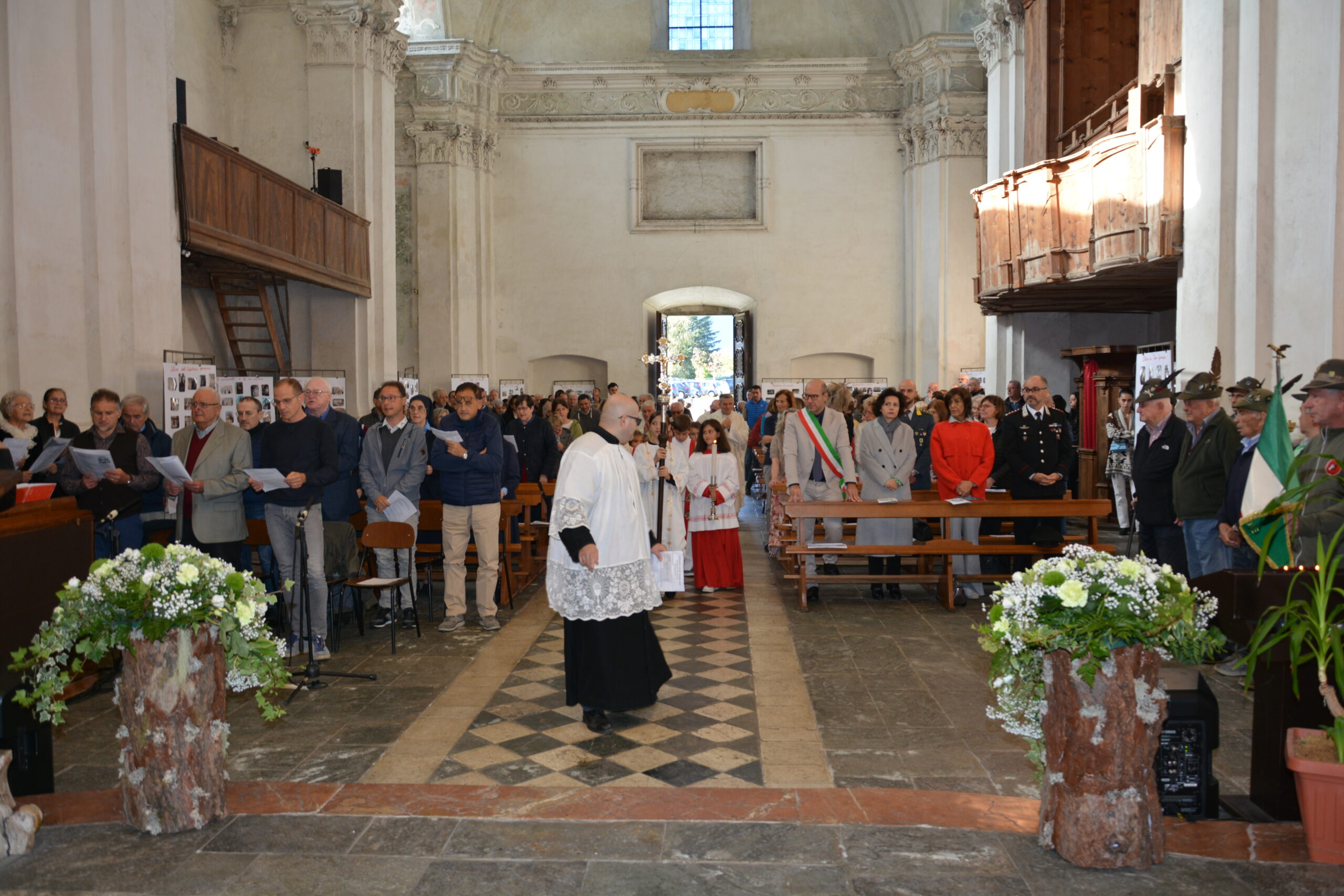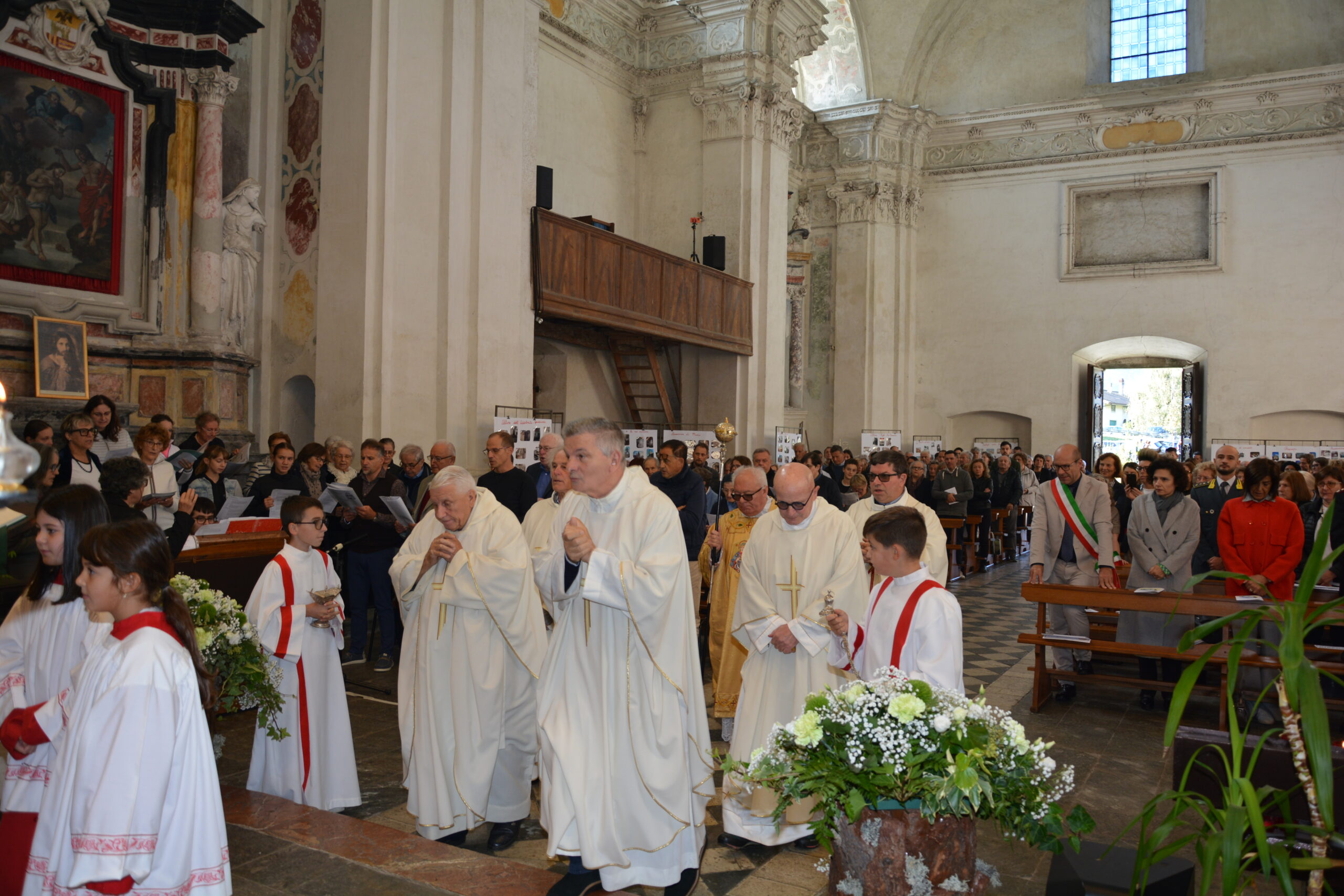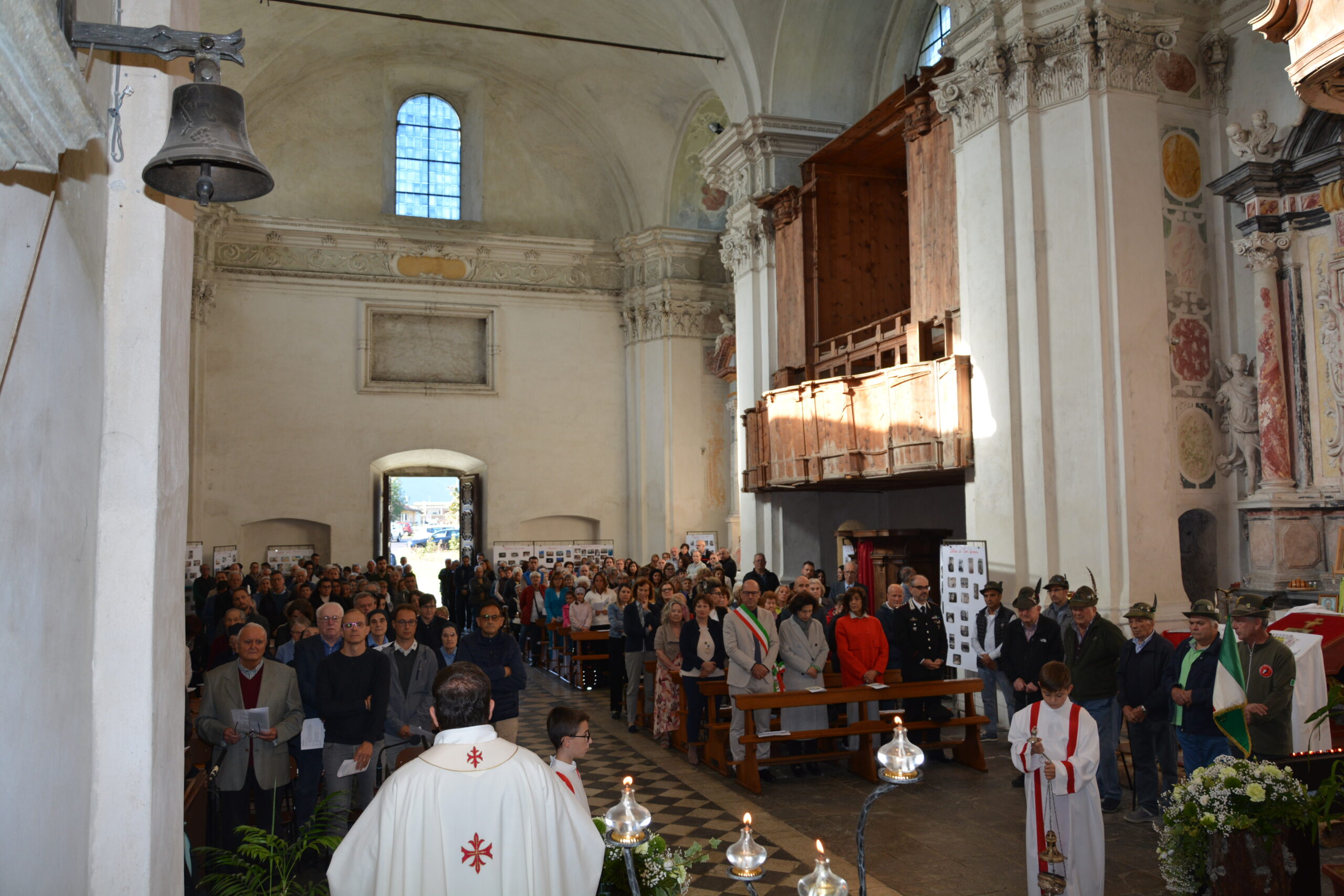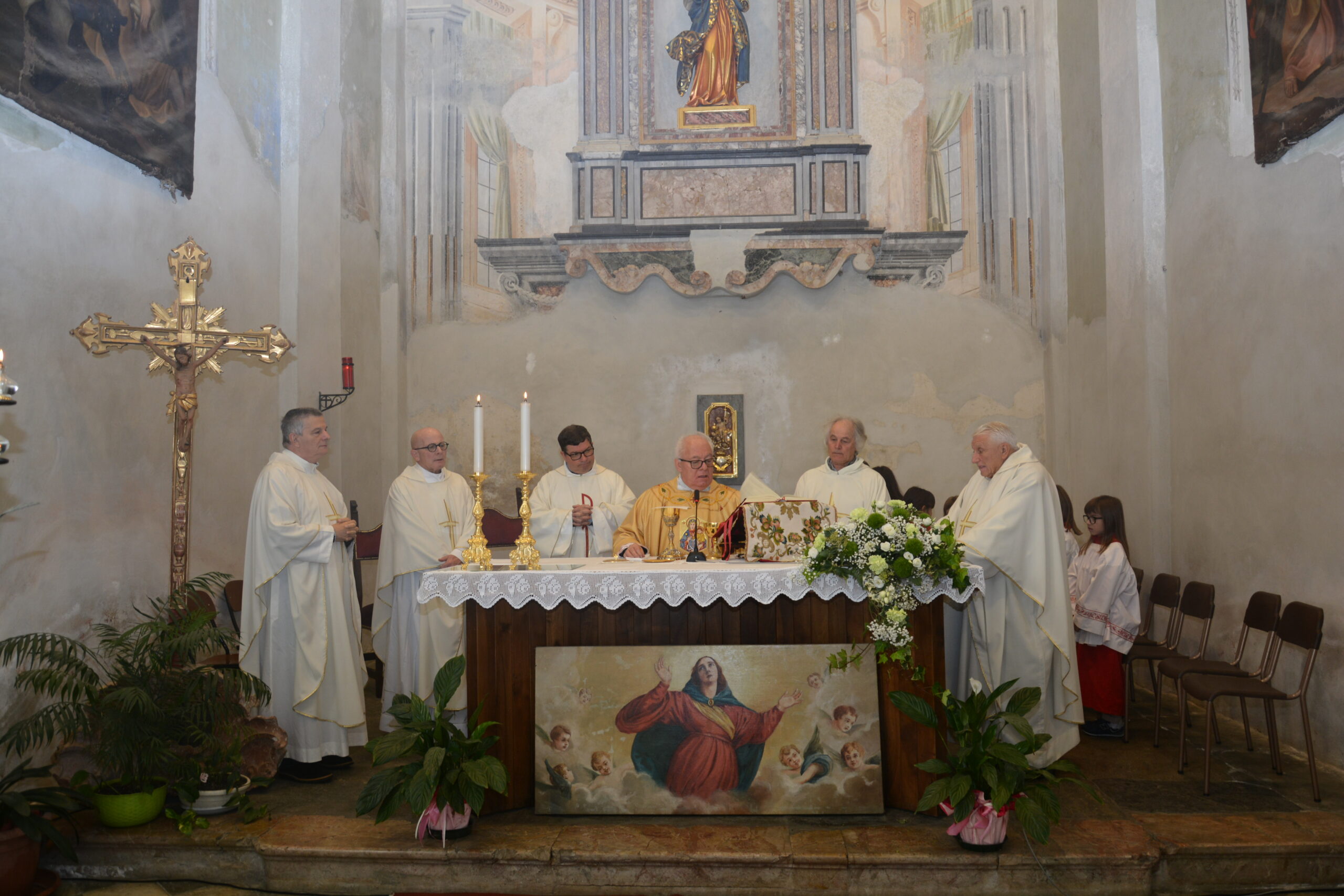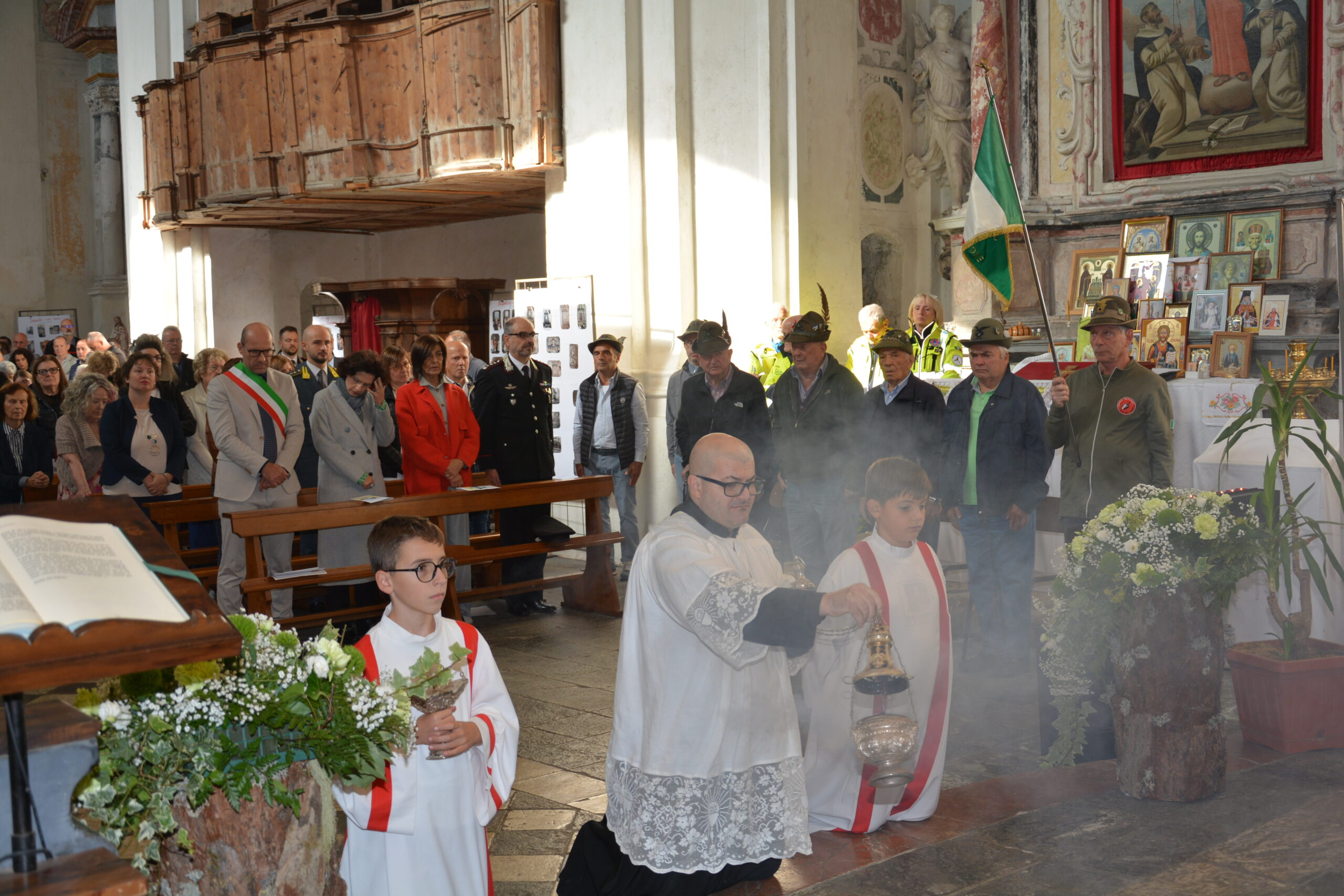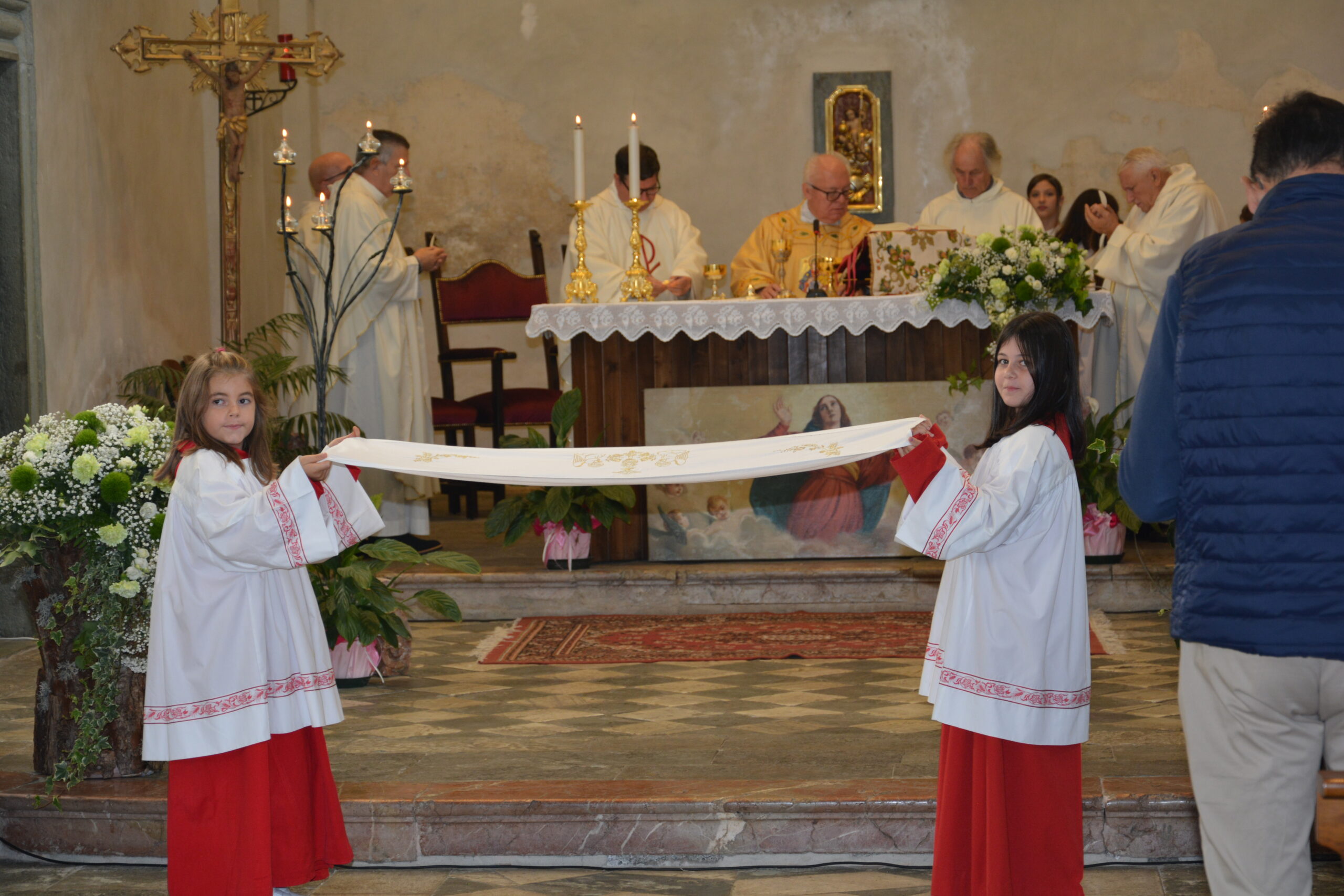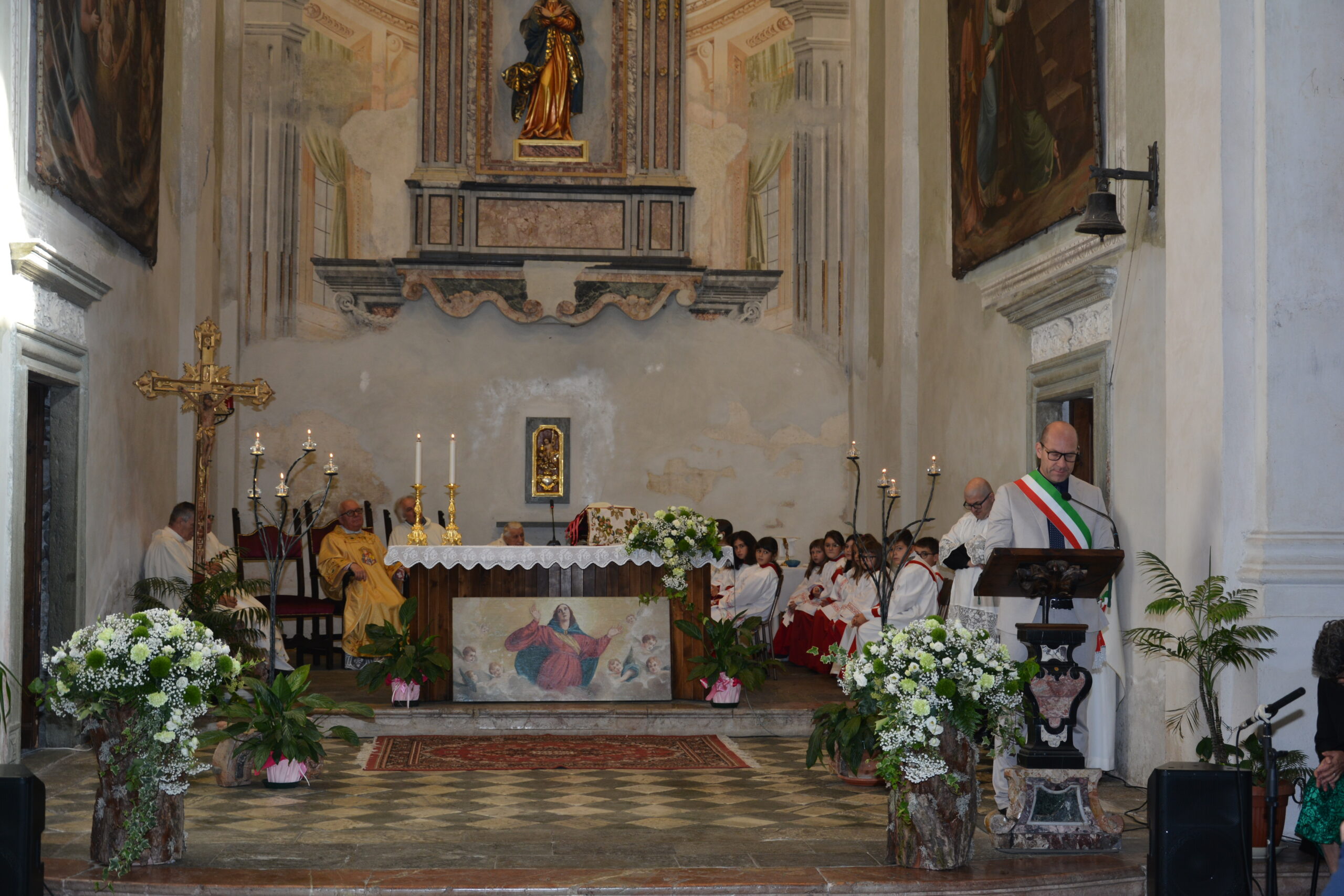

The Sanctuary of the Madonna del Piano in Bianzone is a historic temple that encompasses different eras and styles, whose origin is linked to a tradition of Marian apparition documented in a 1911 manuscript. The oldest part of the structure is the Romanesque bell tower and a portion of the wall in the “old sacristy”.
Architecture and external evolution
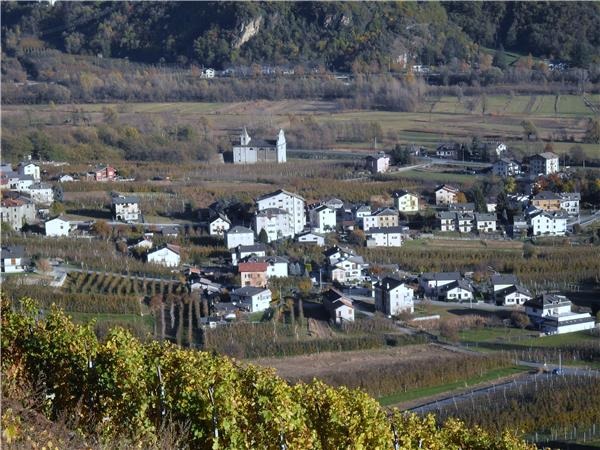
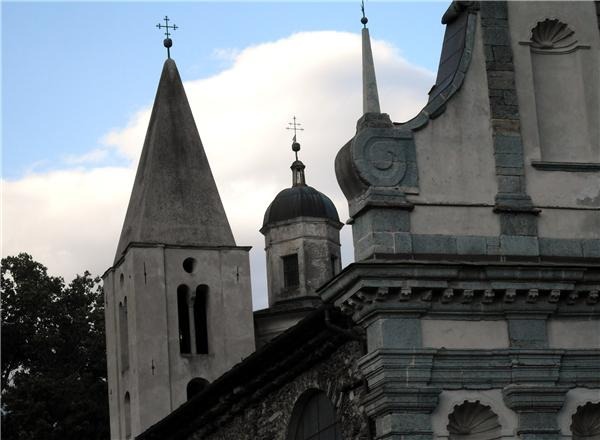
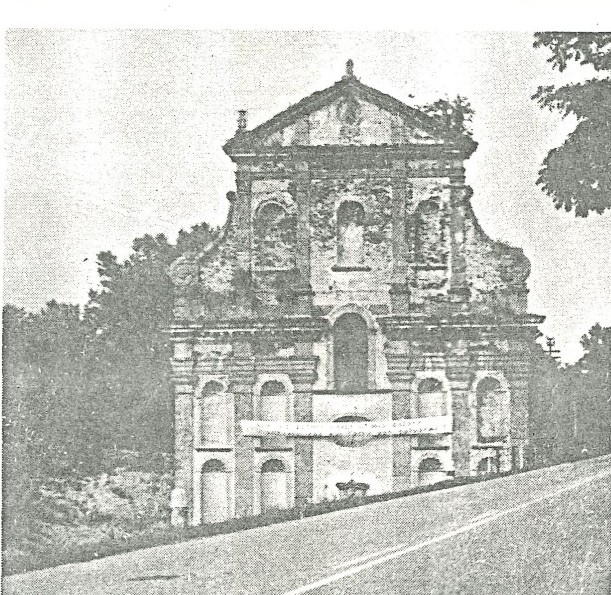
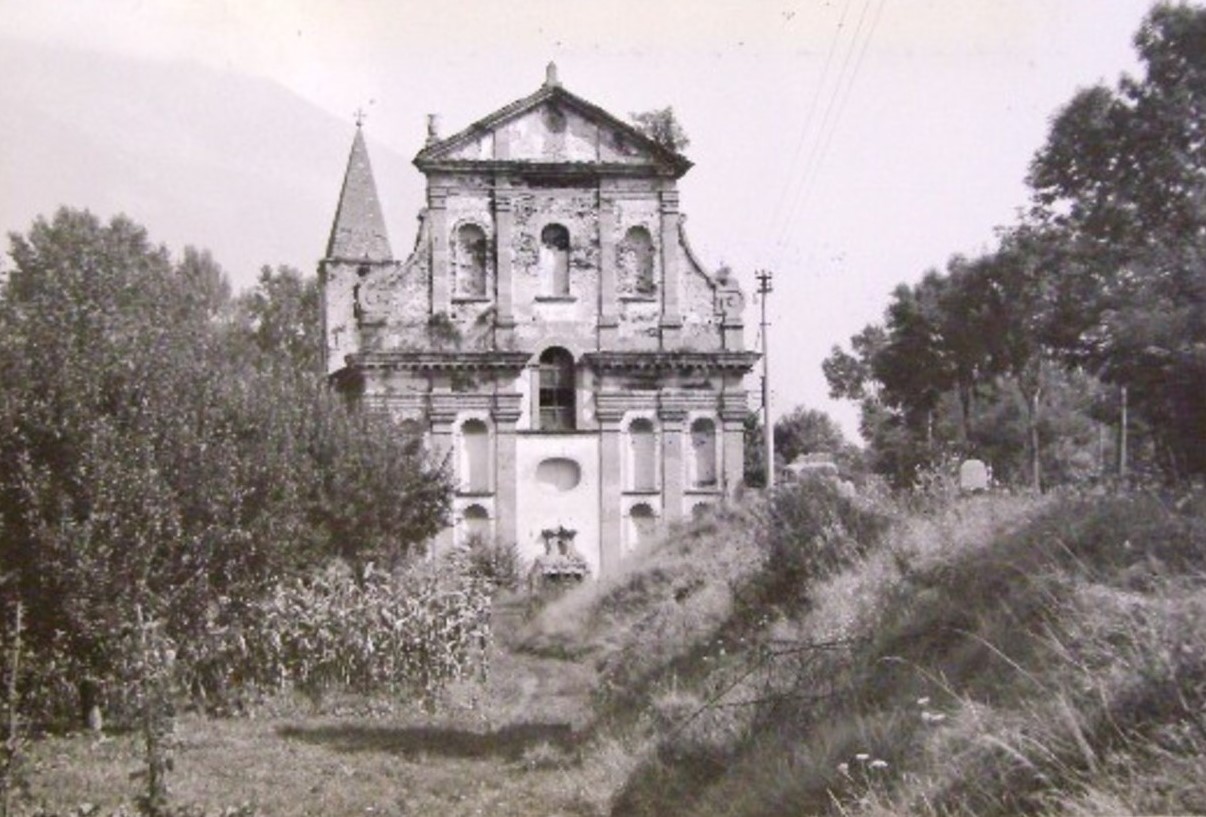
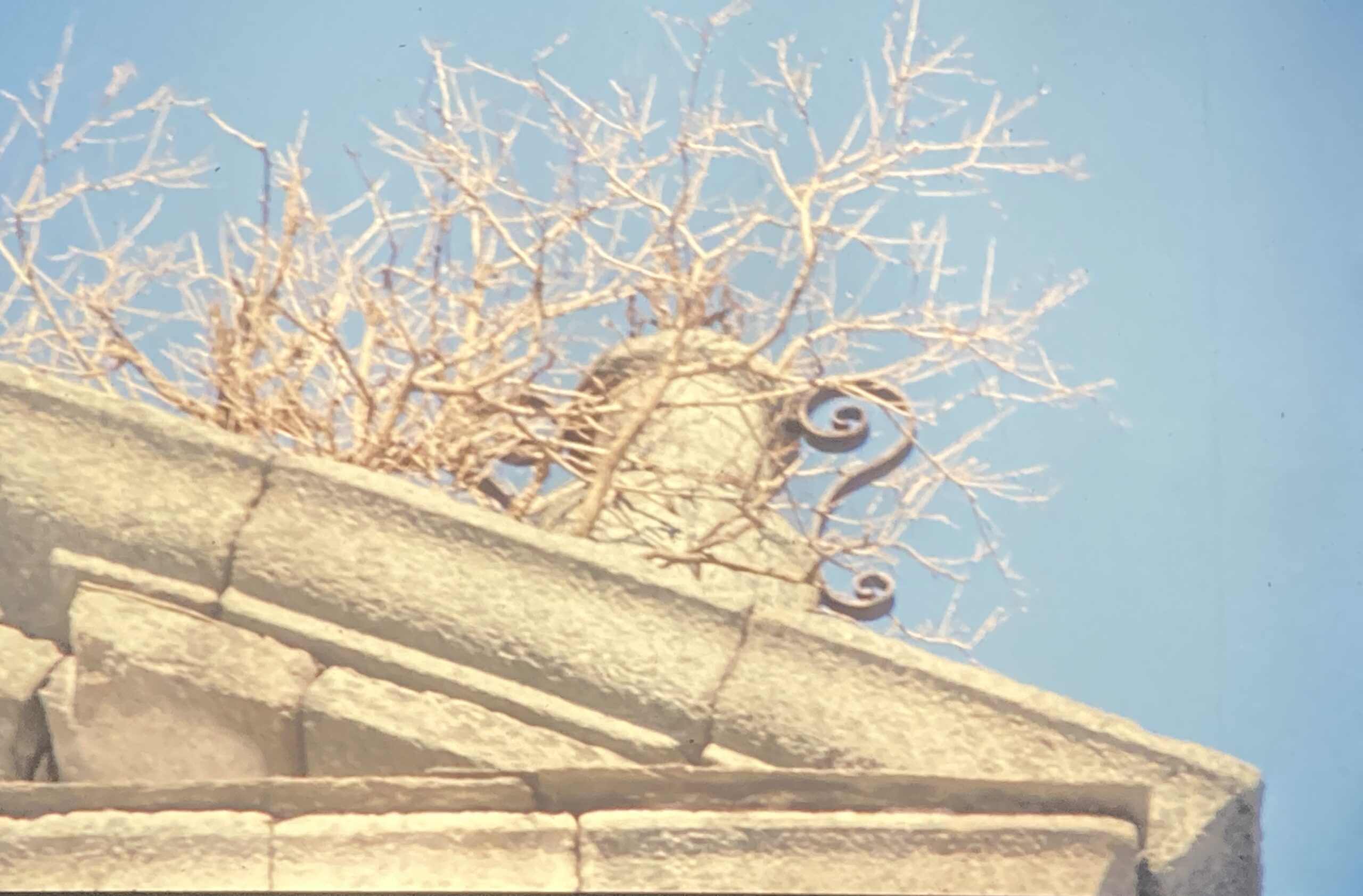
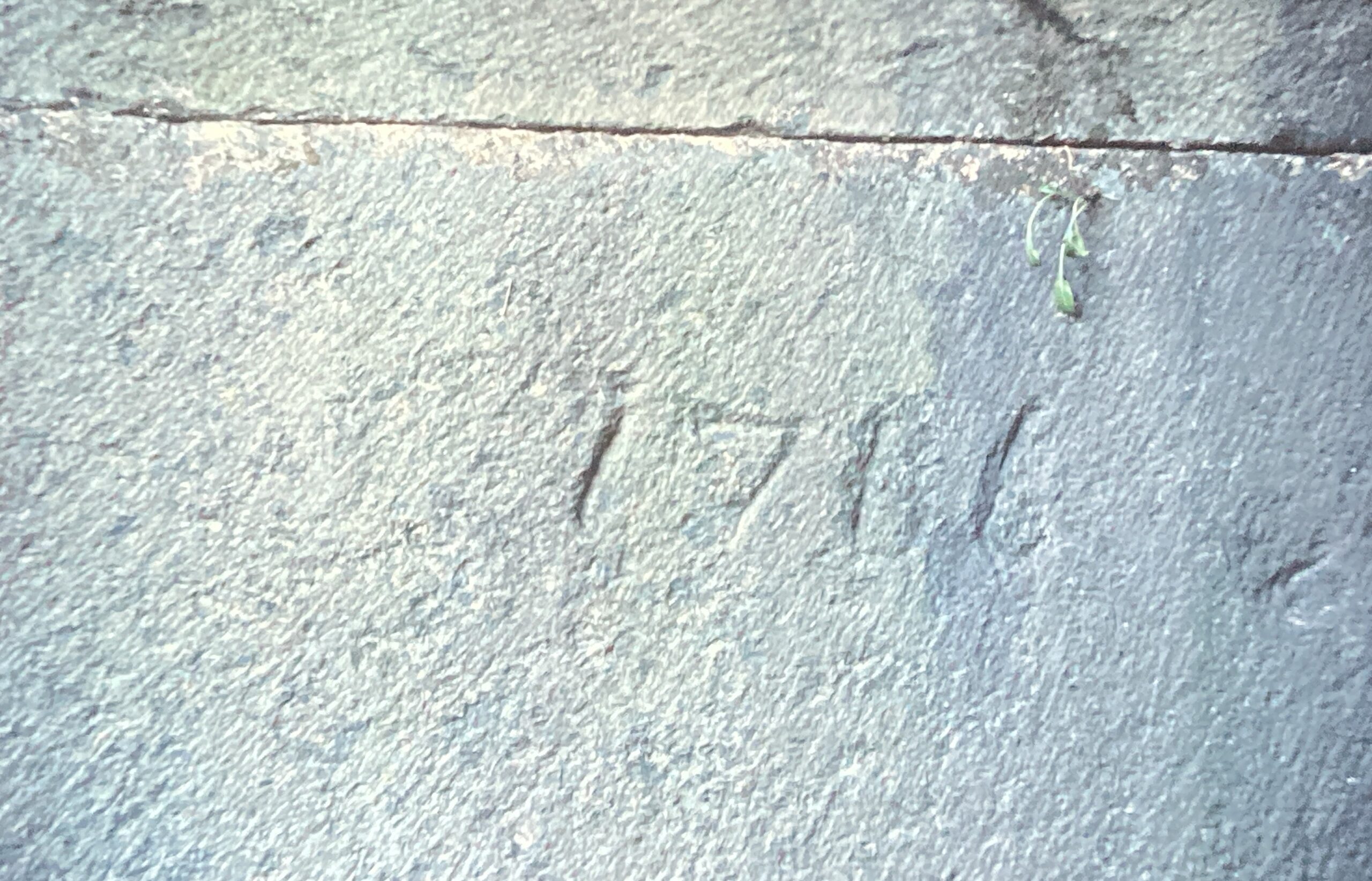
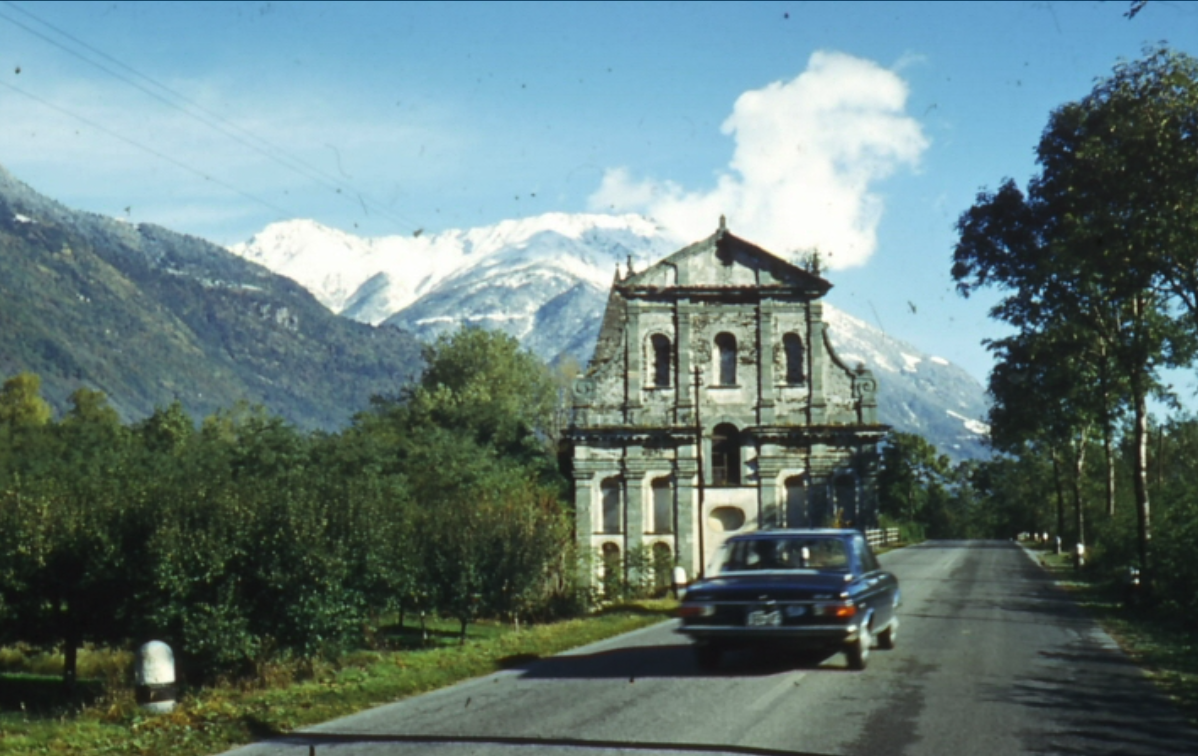
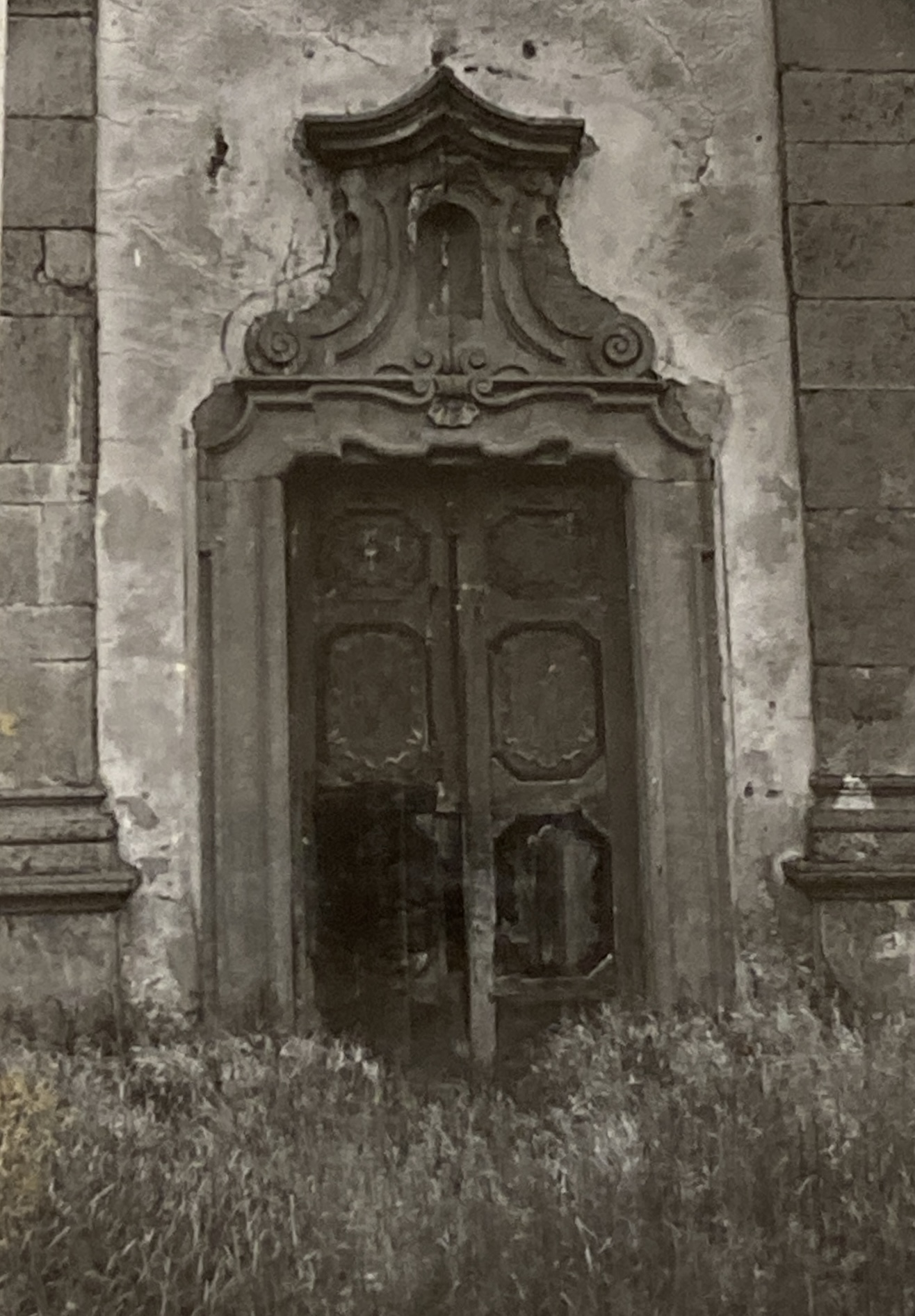
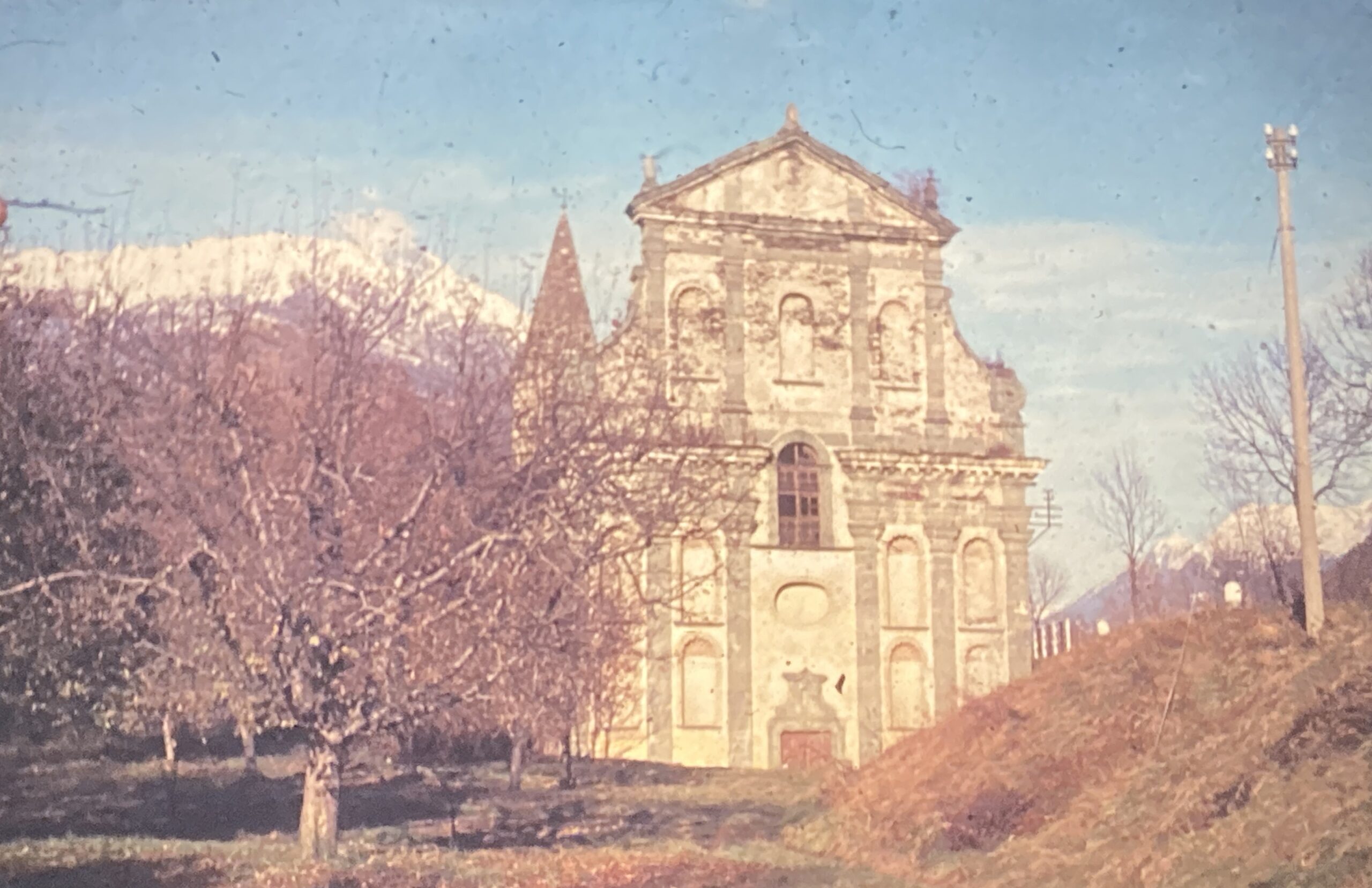
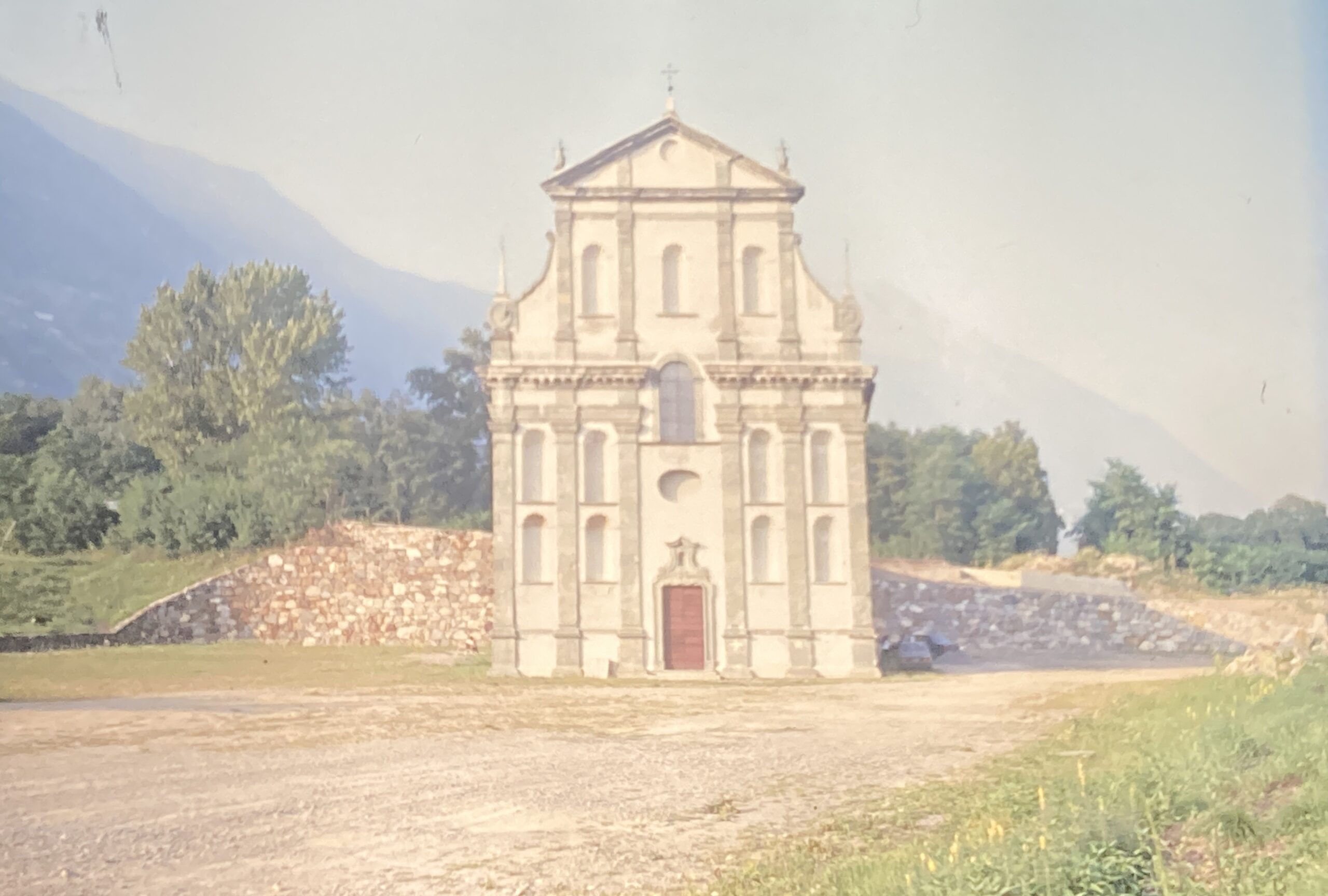
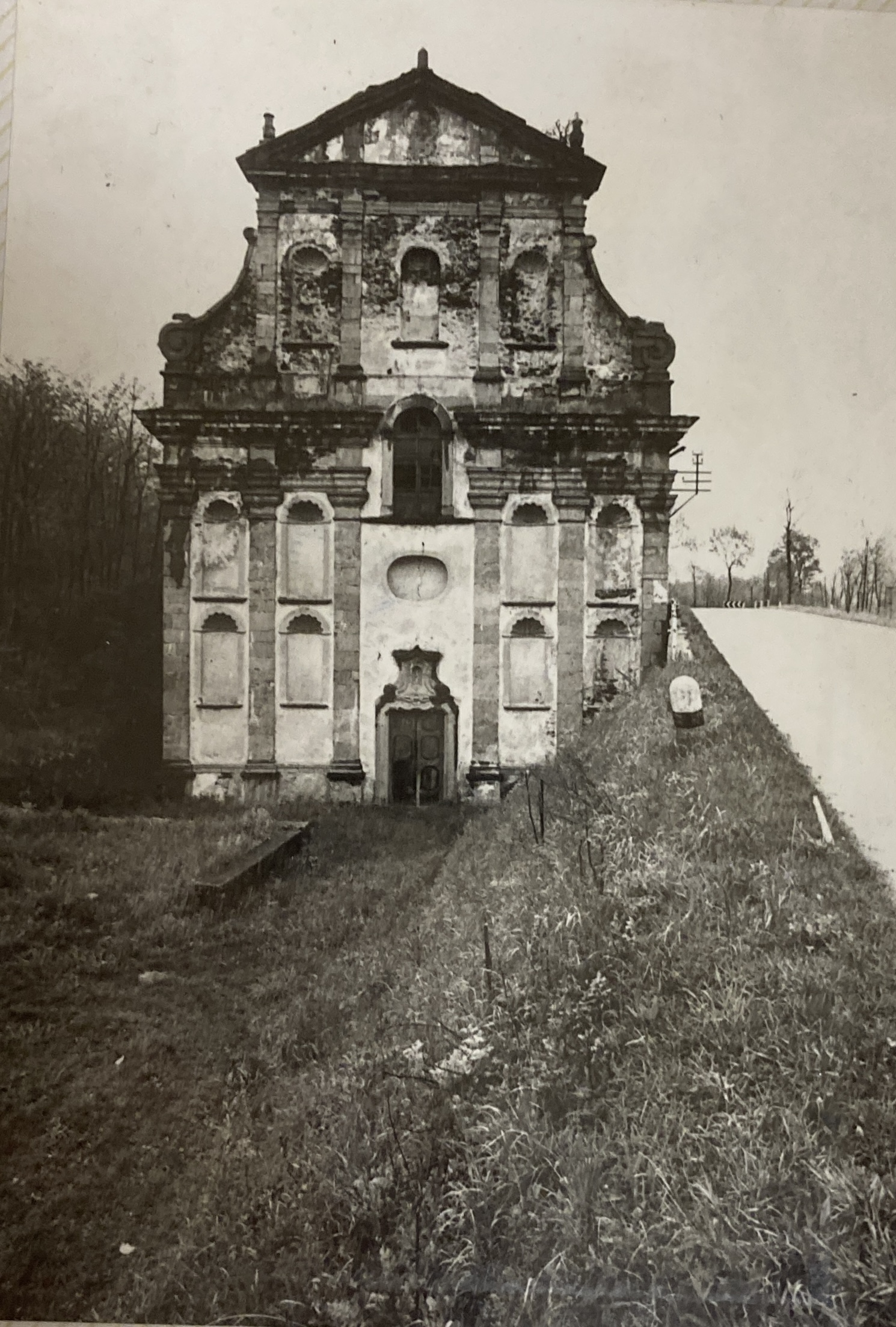
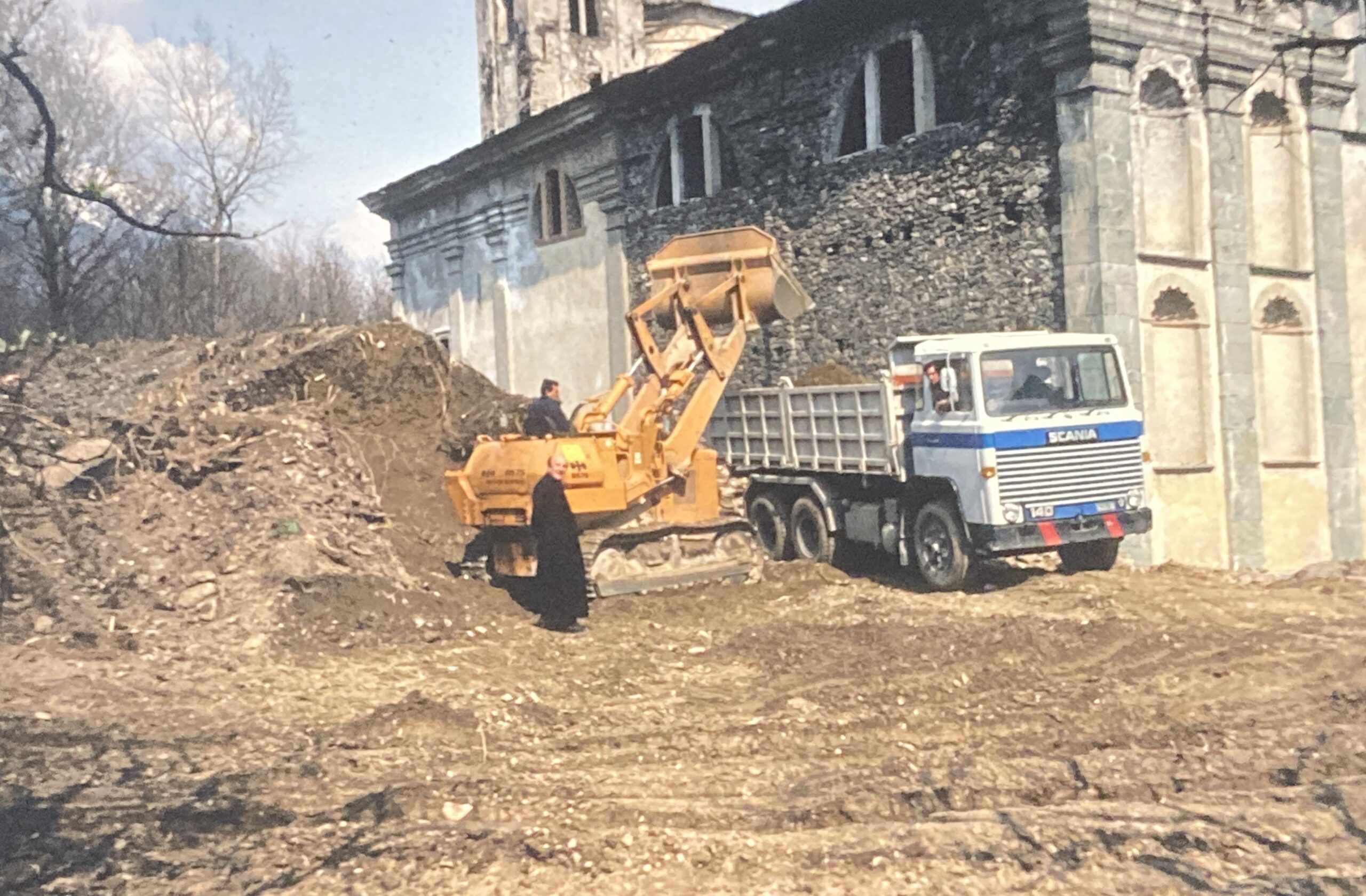
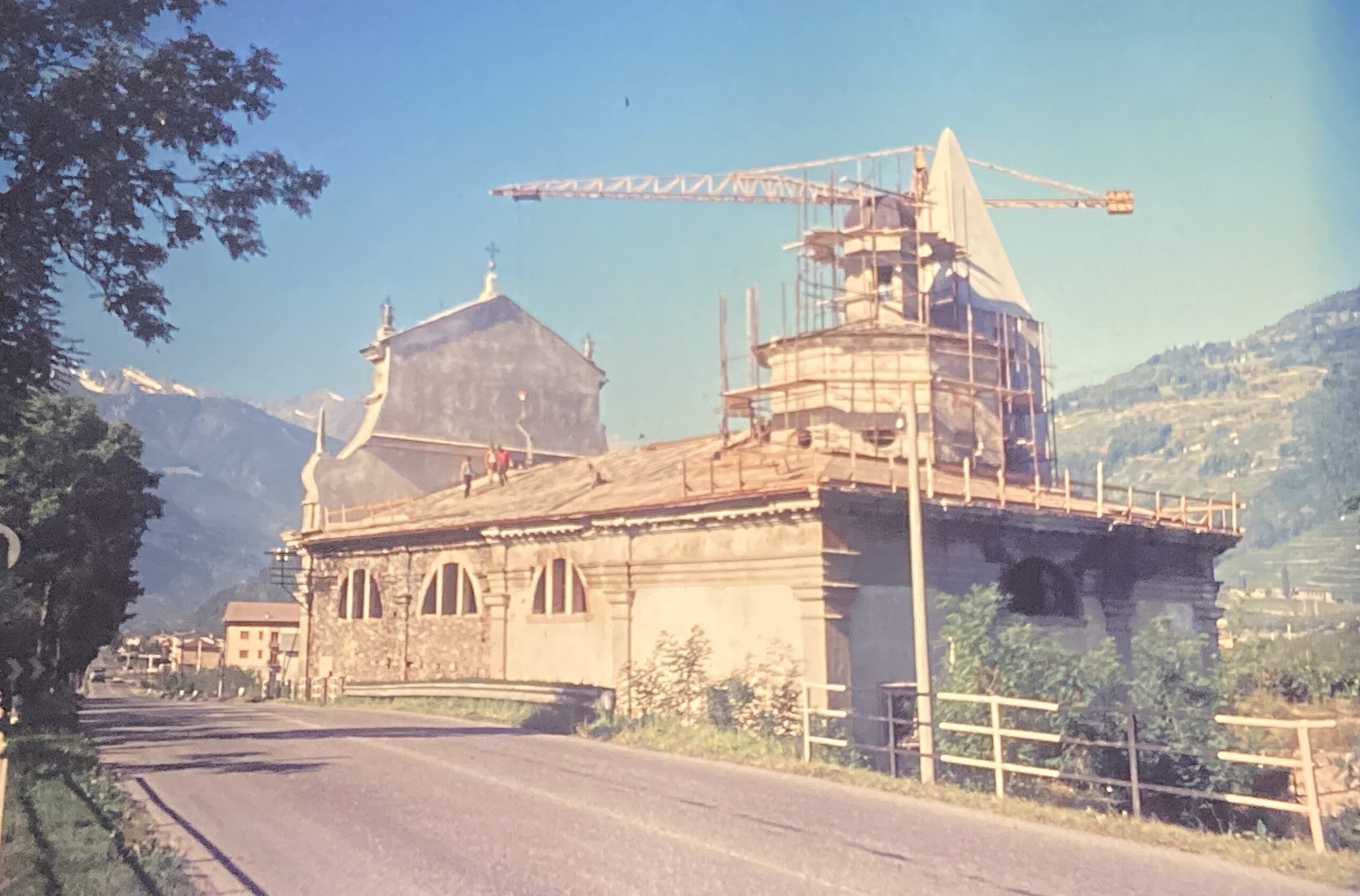
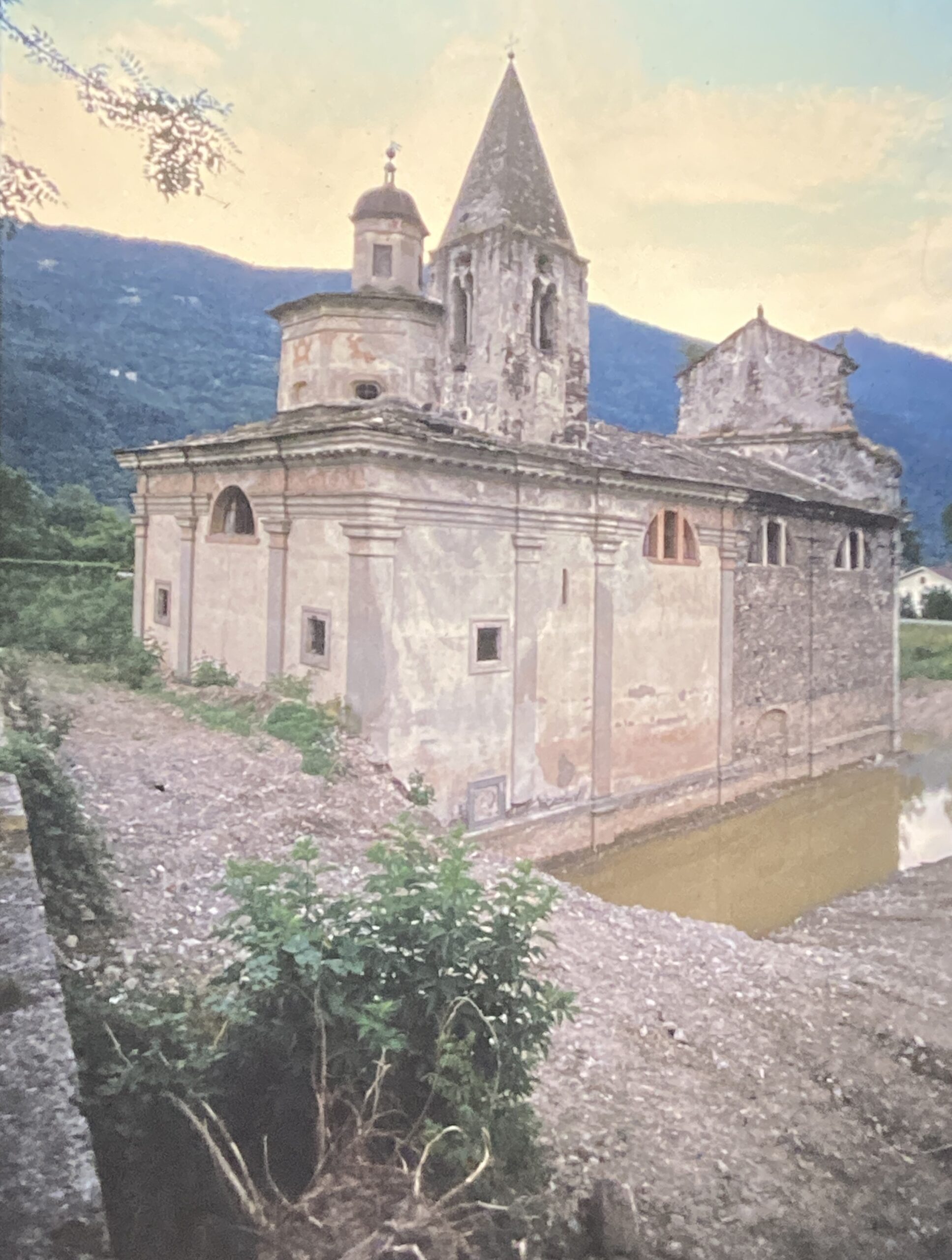
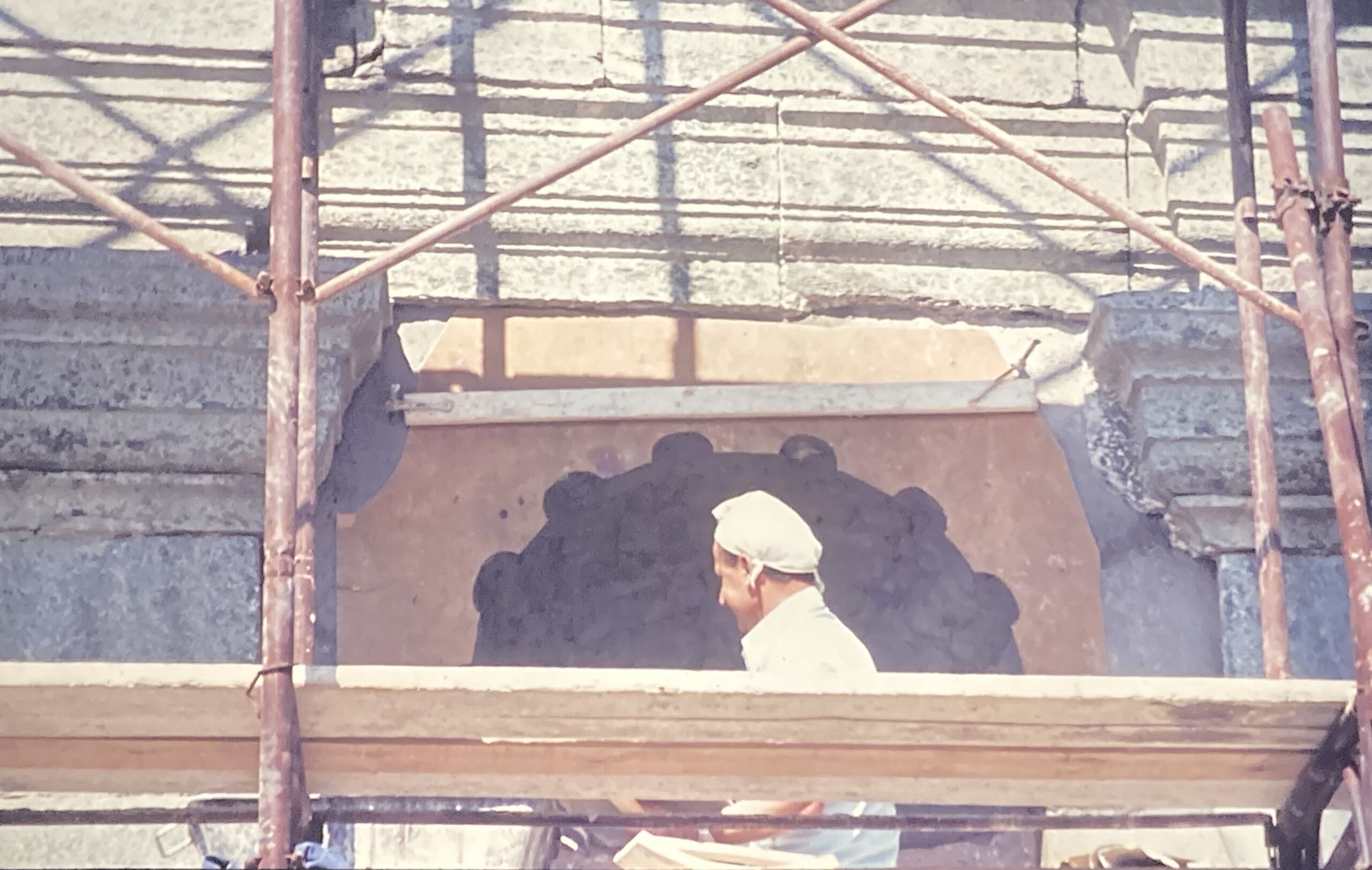
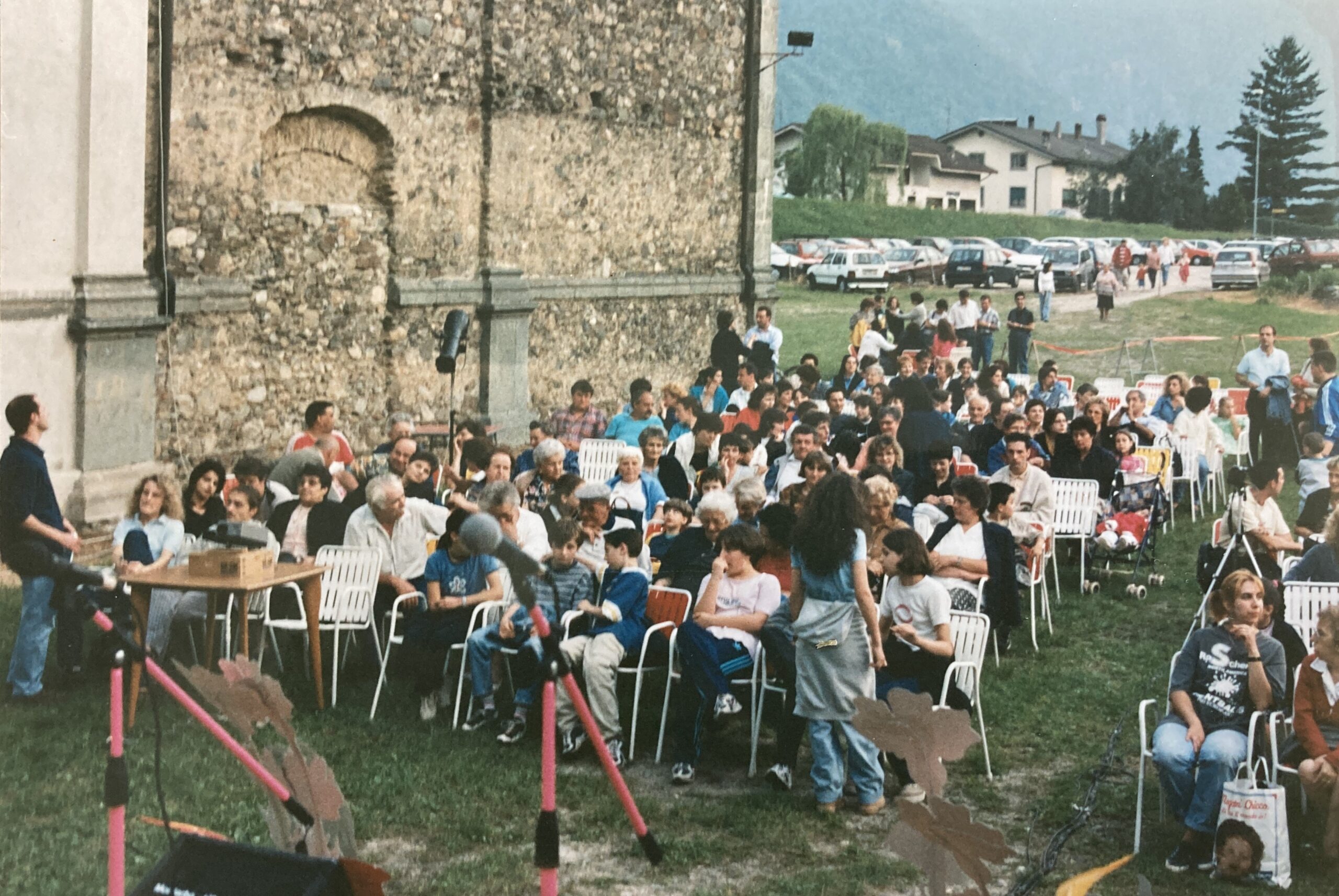
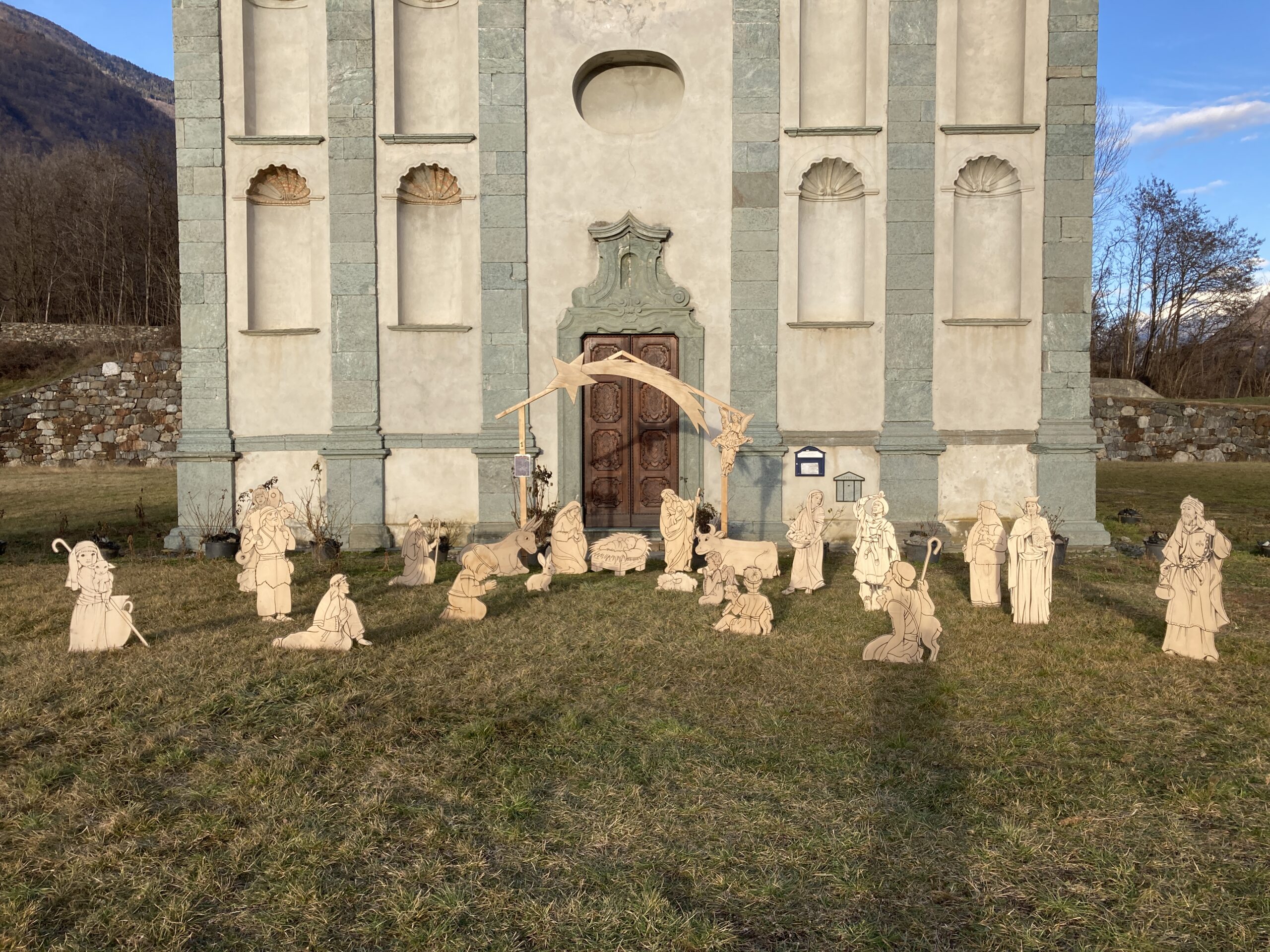
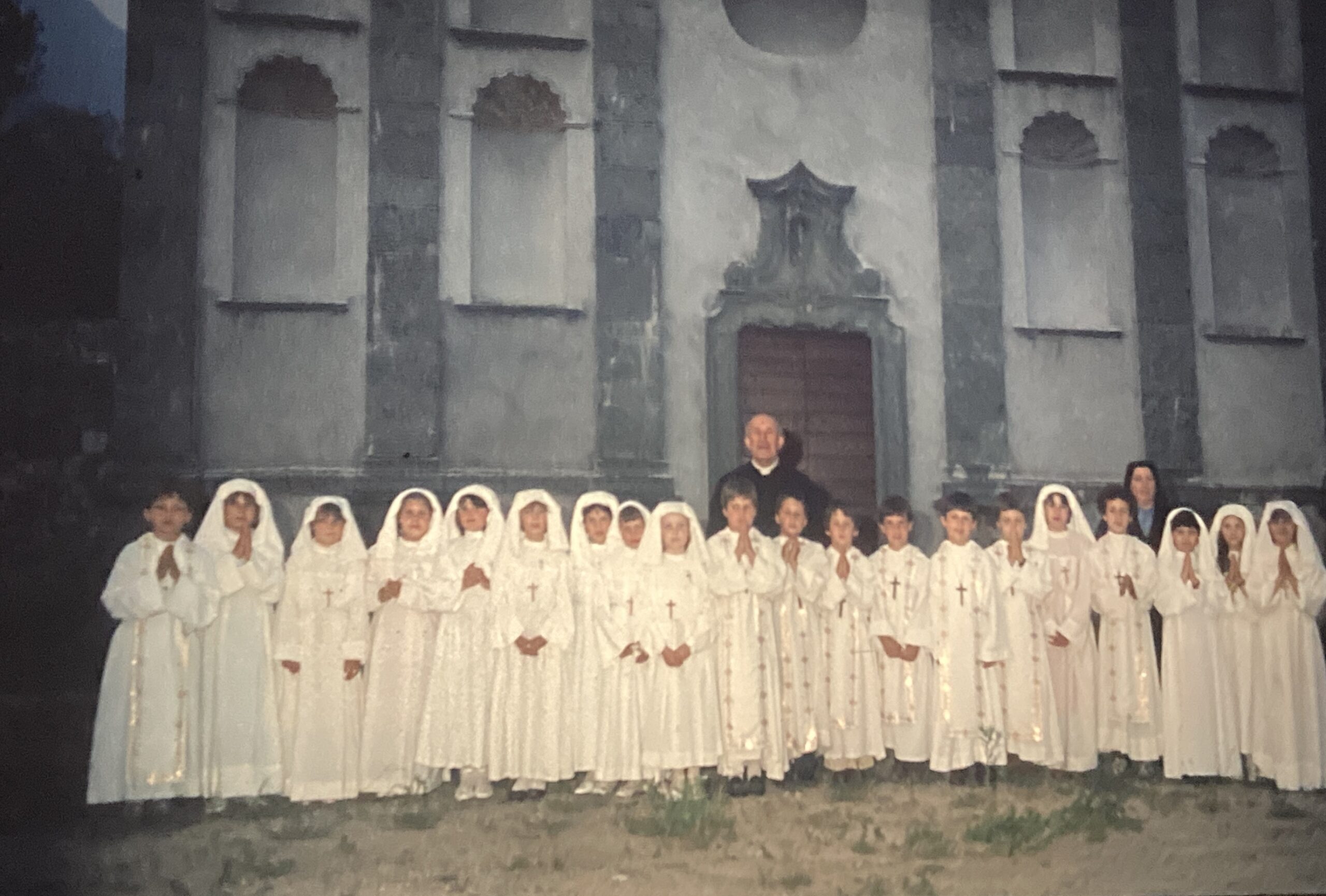
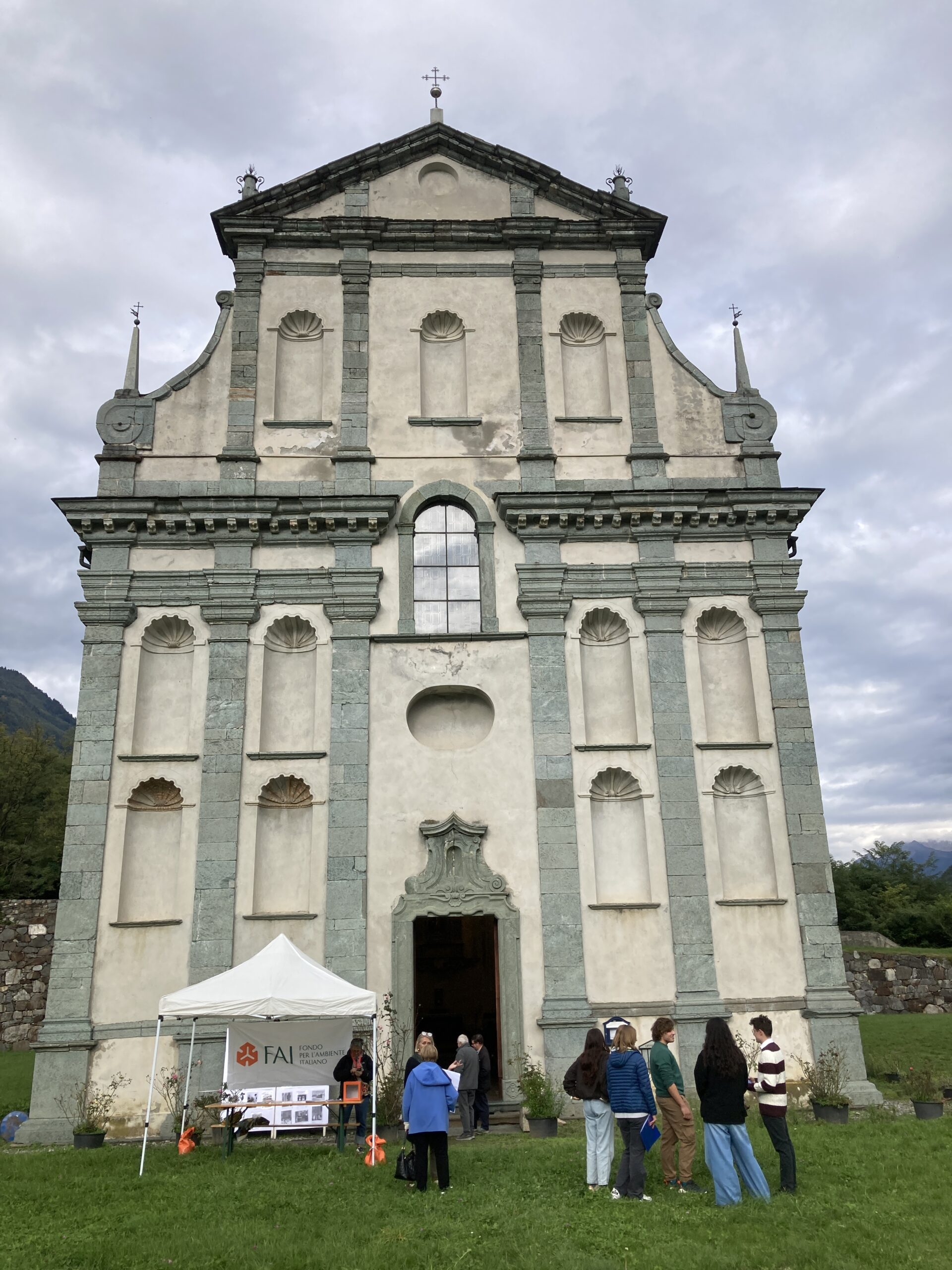
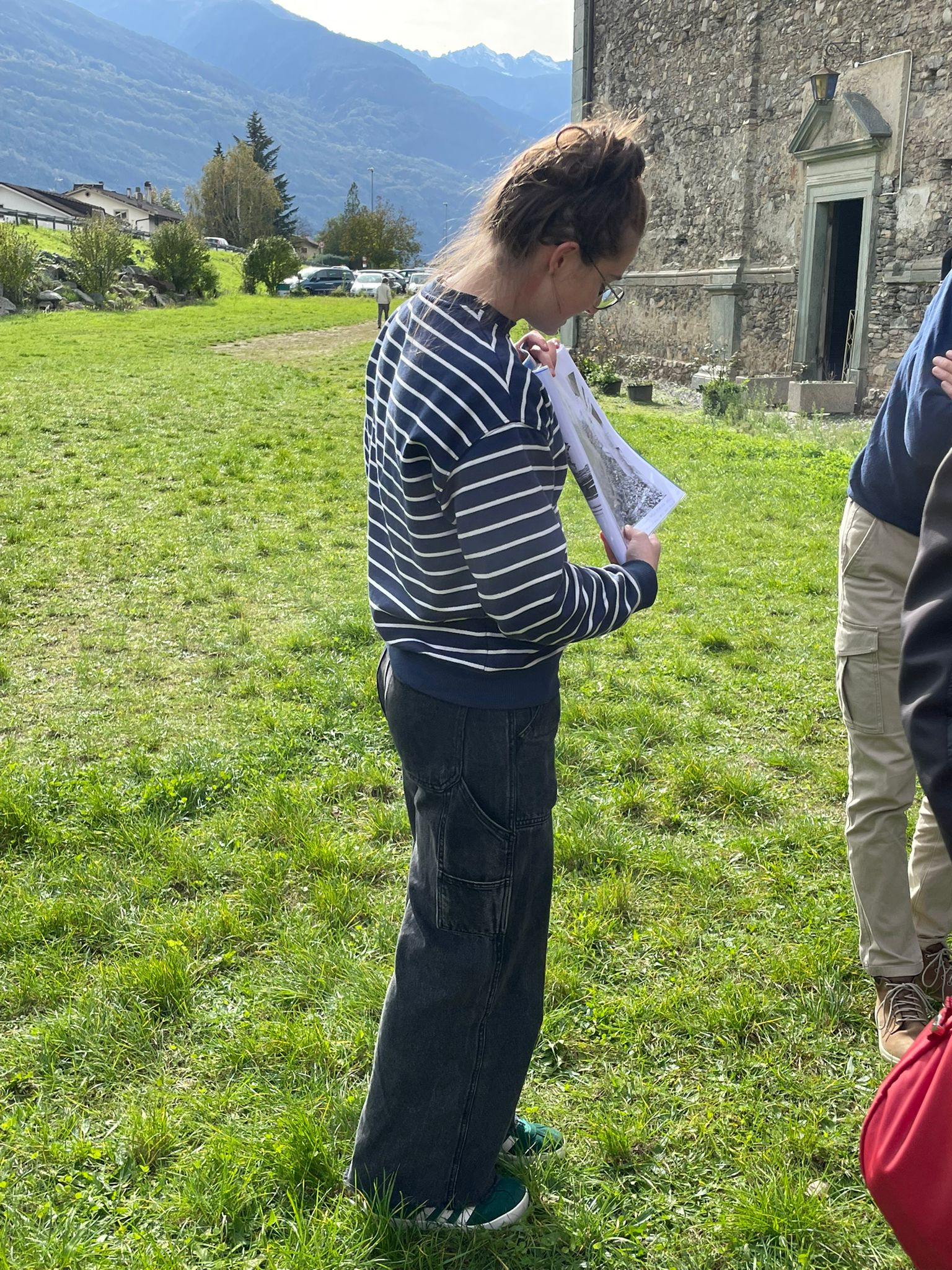
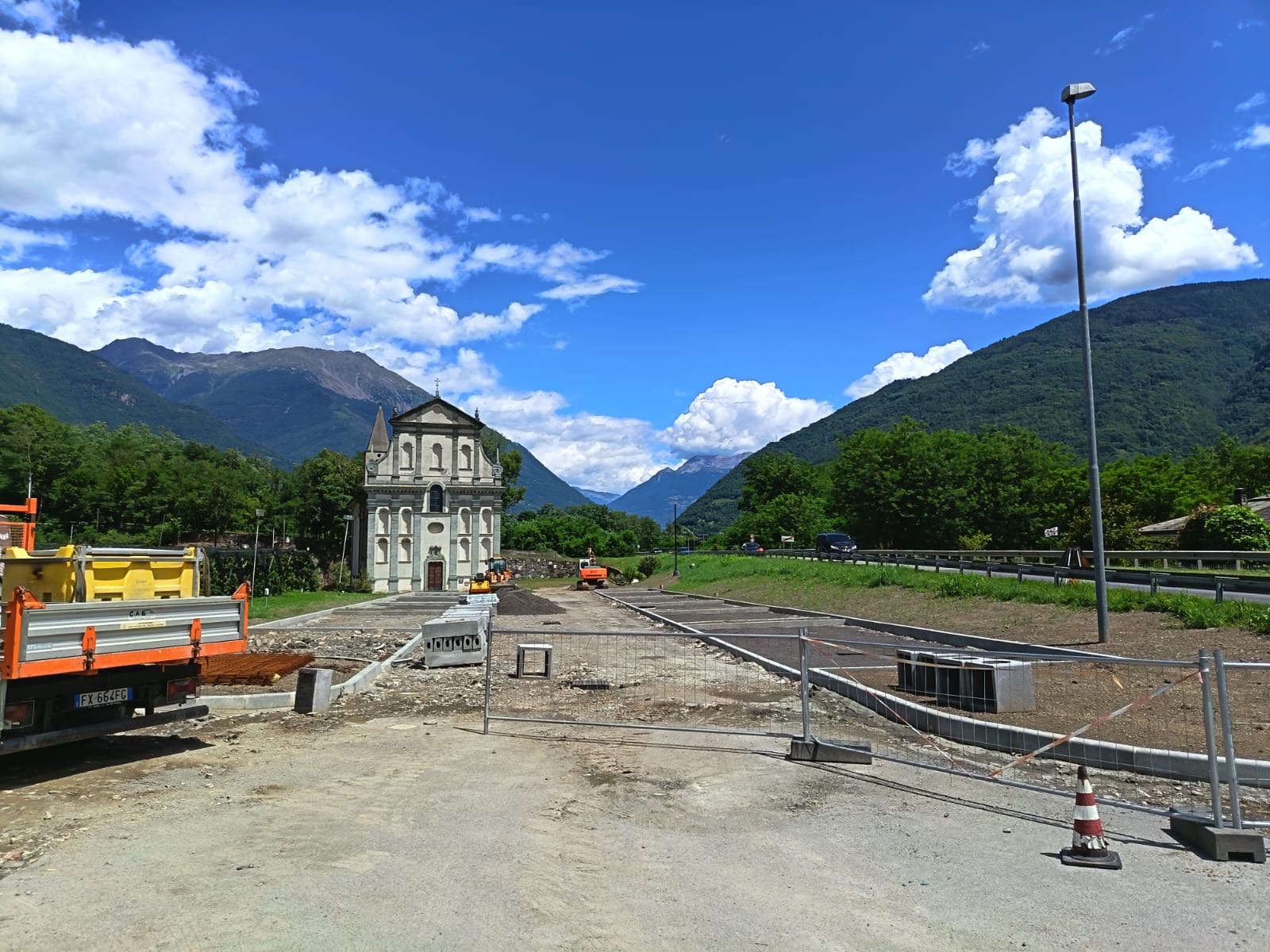
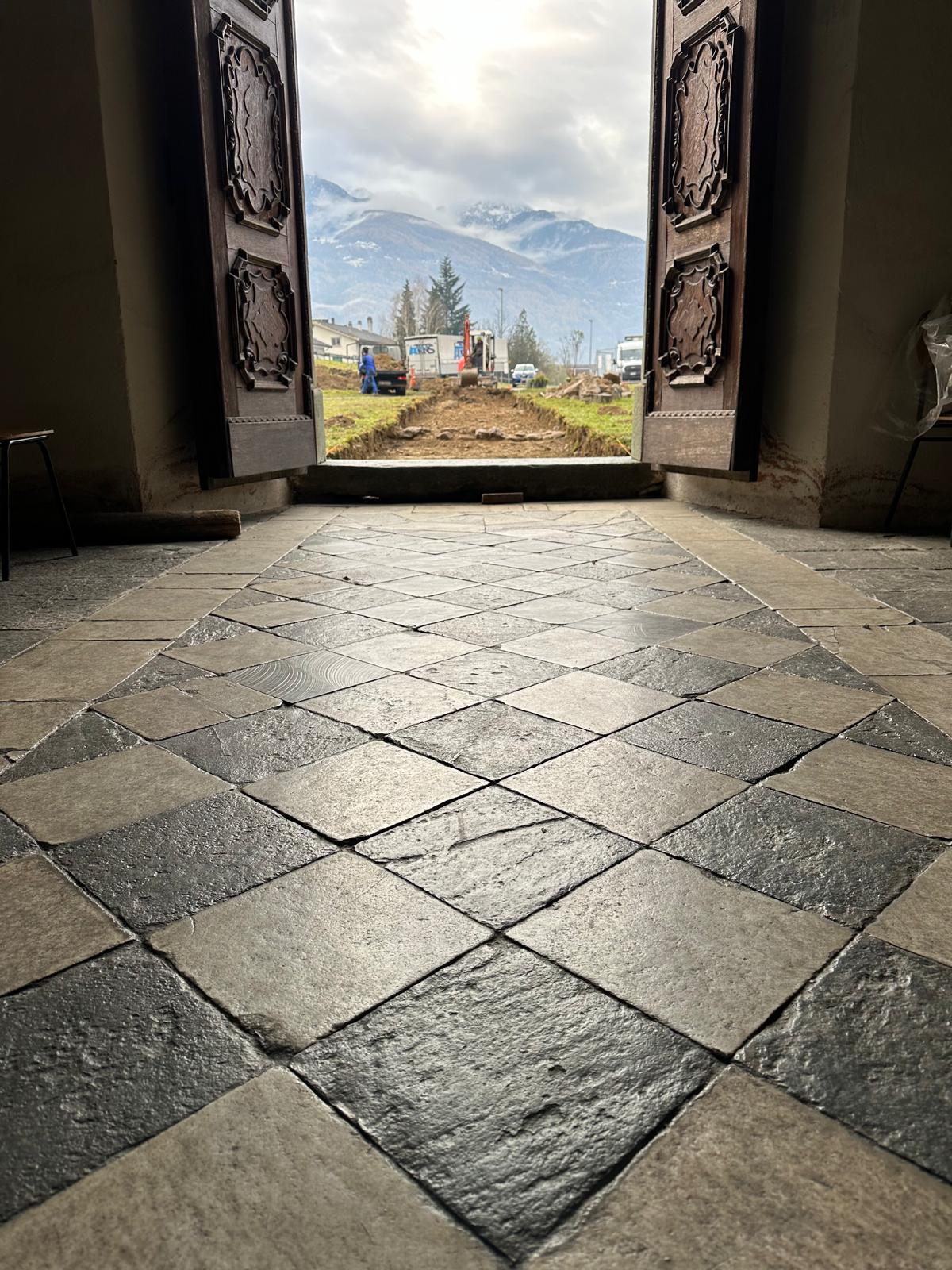
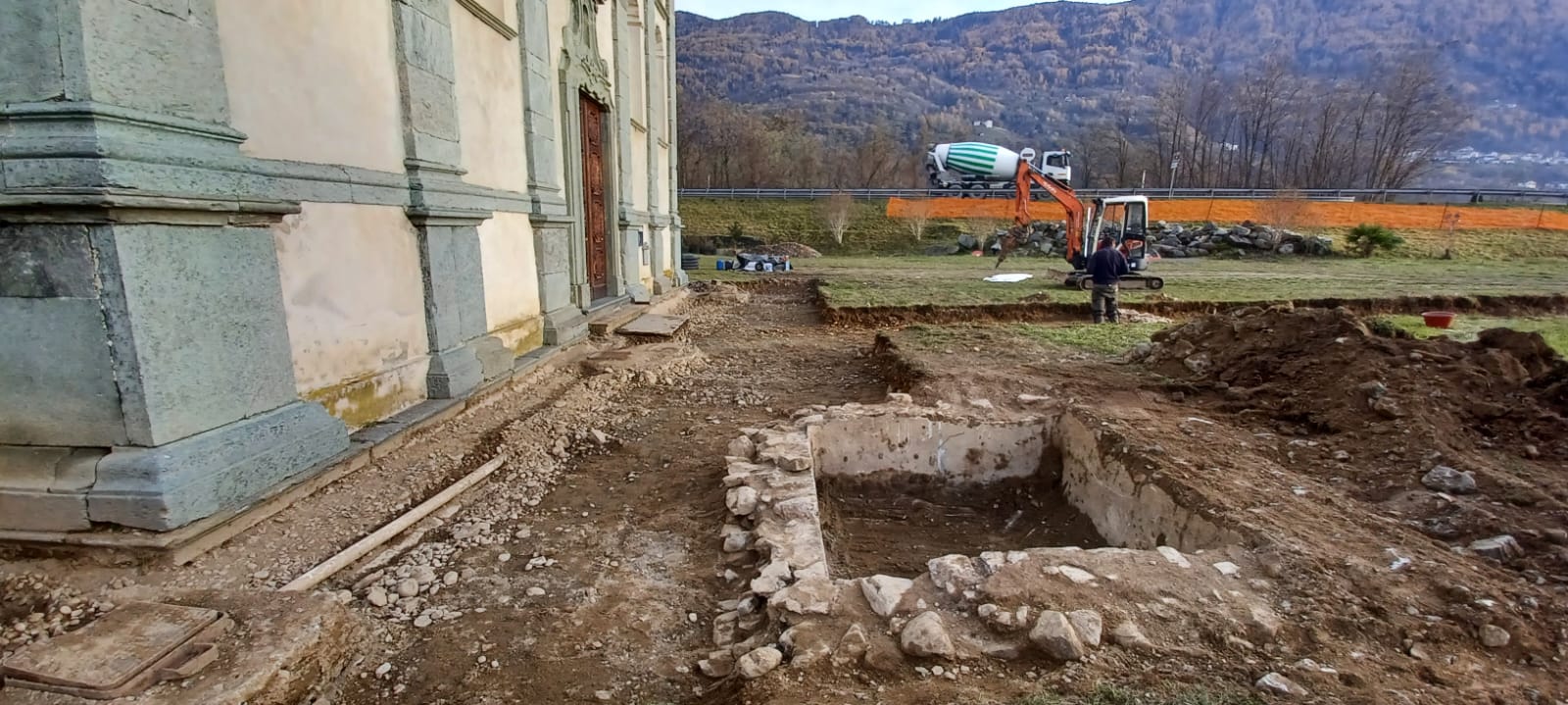
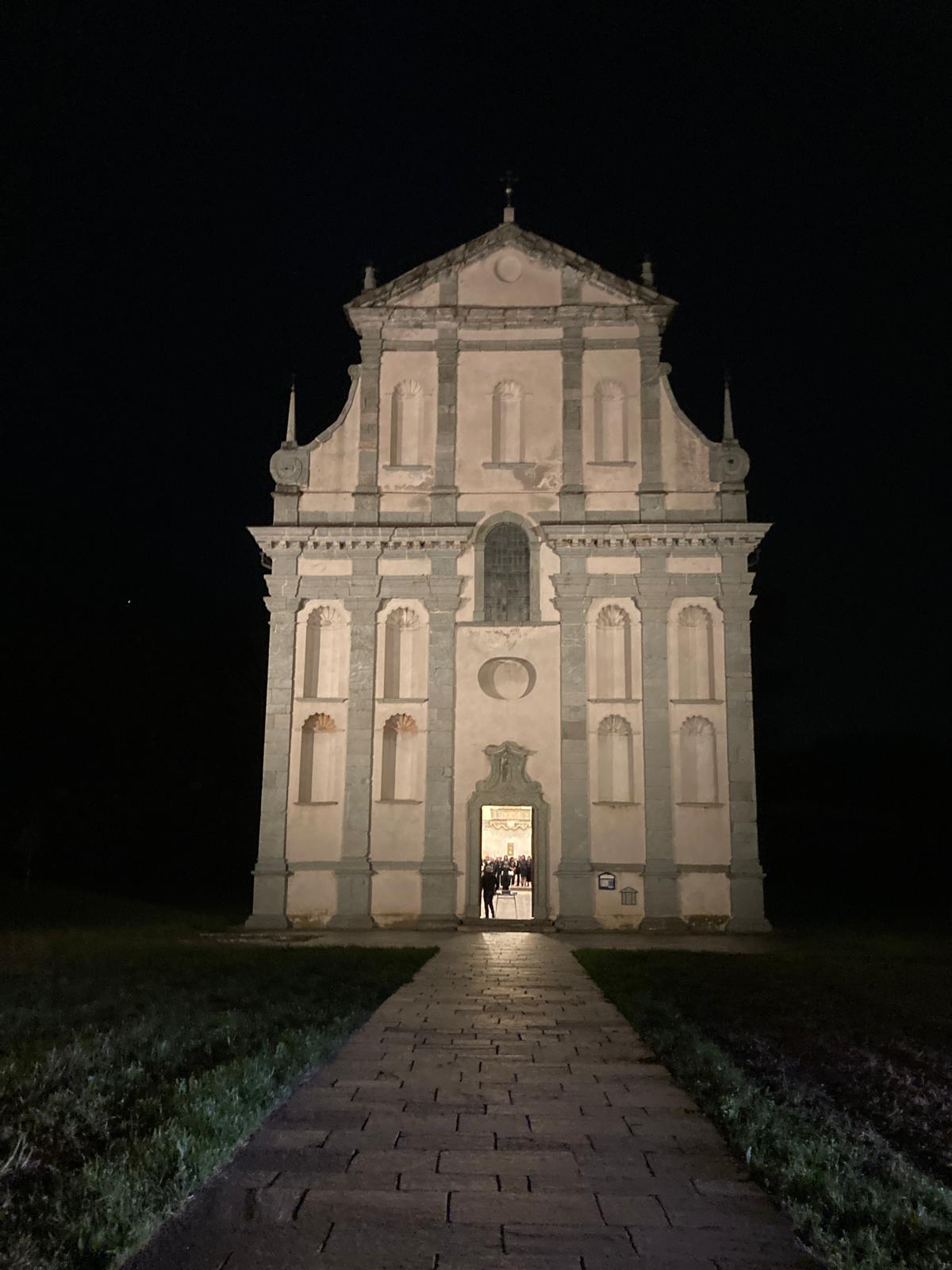
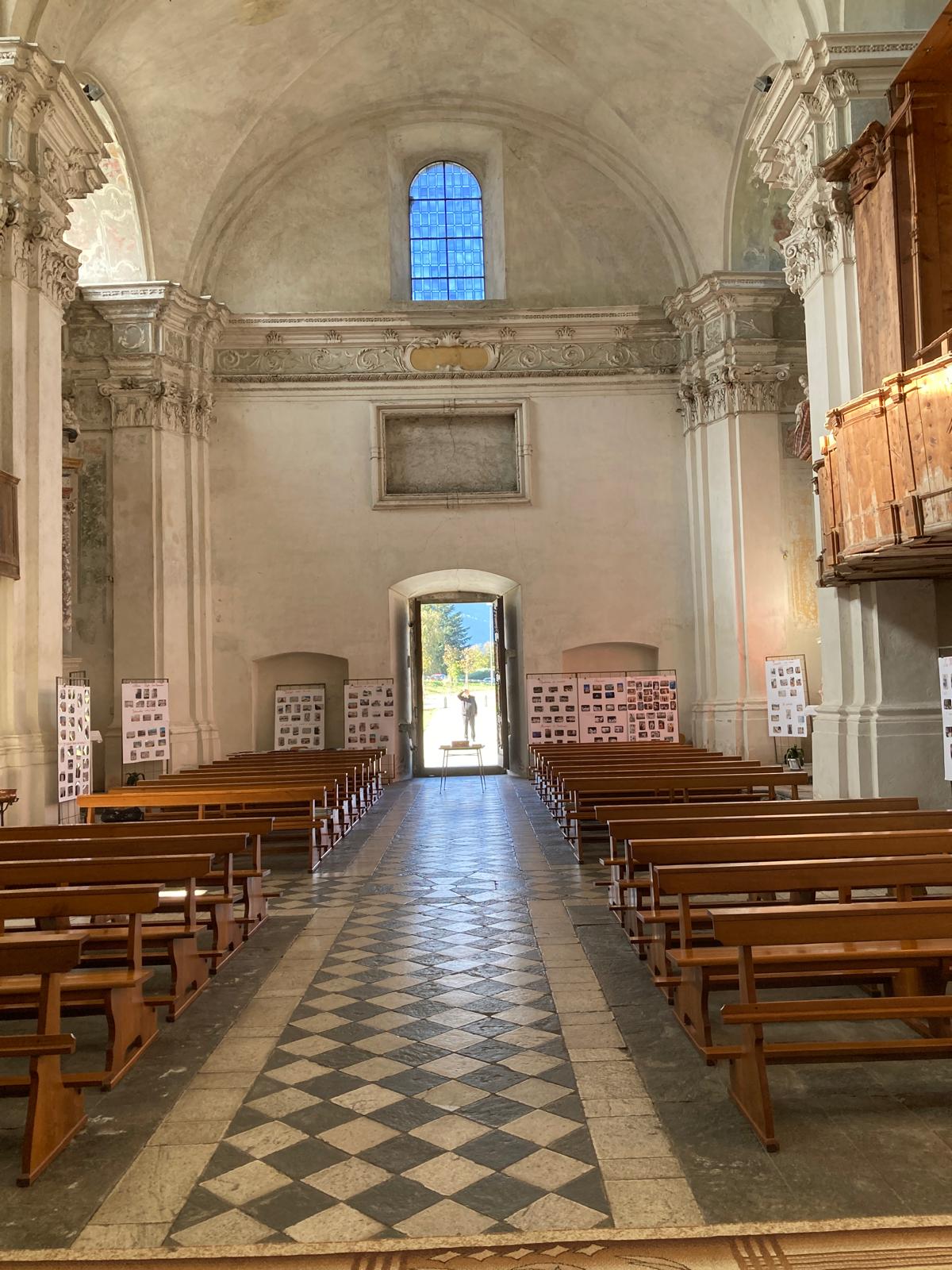
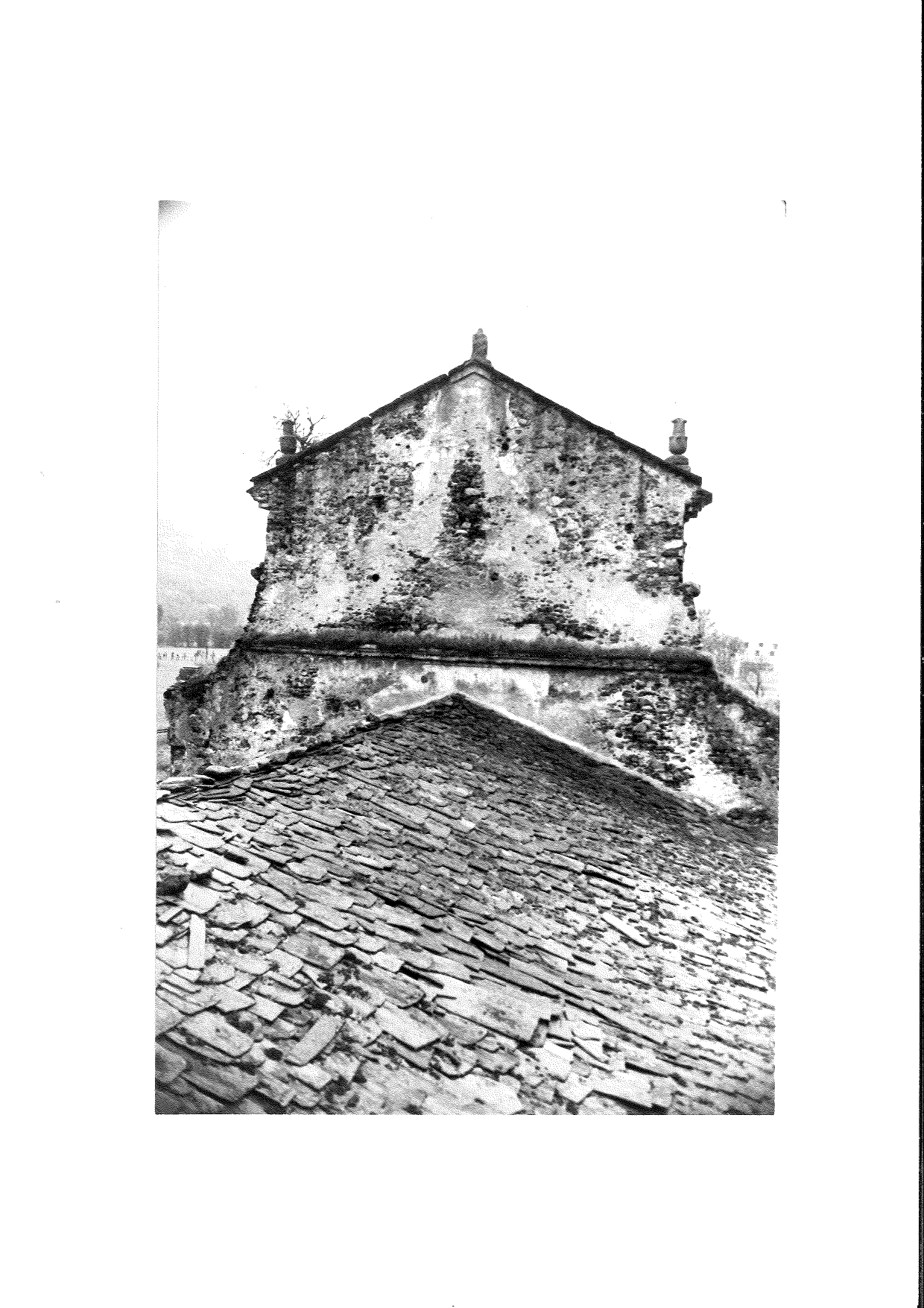
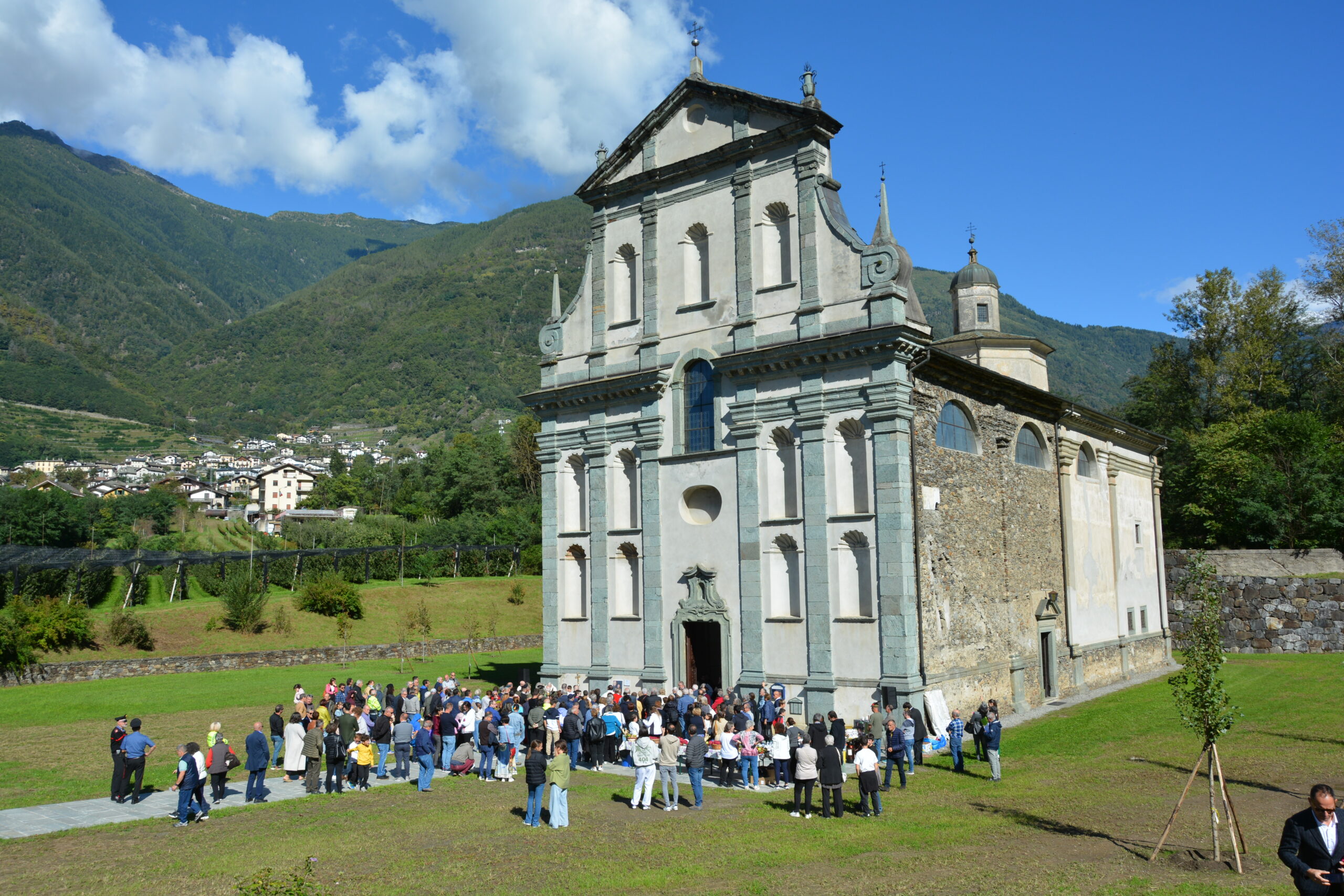
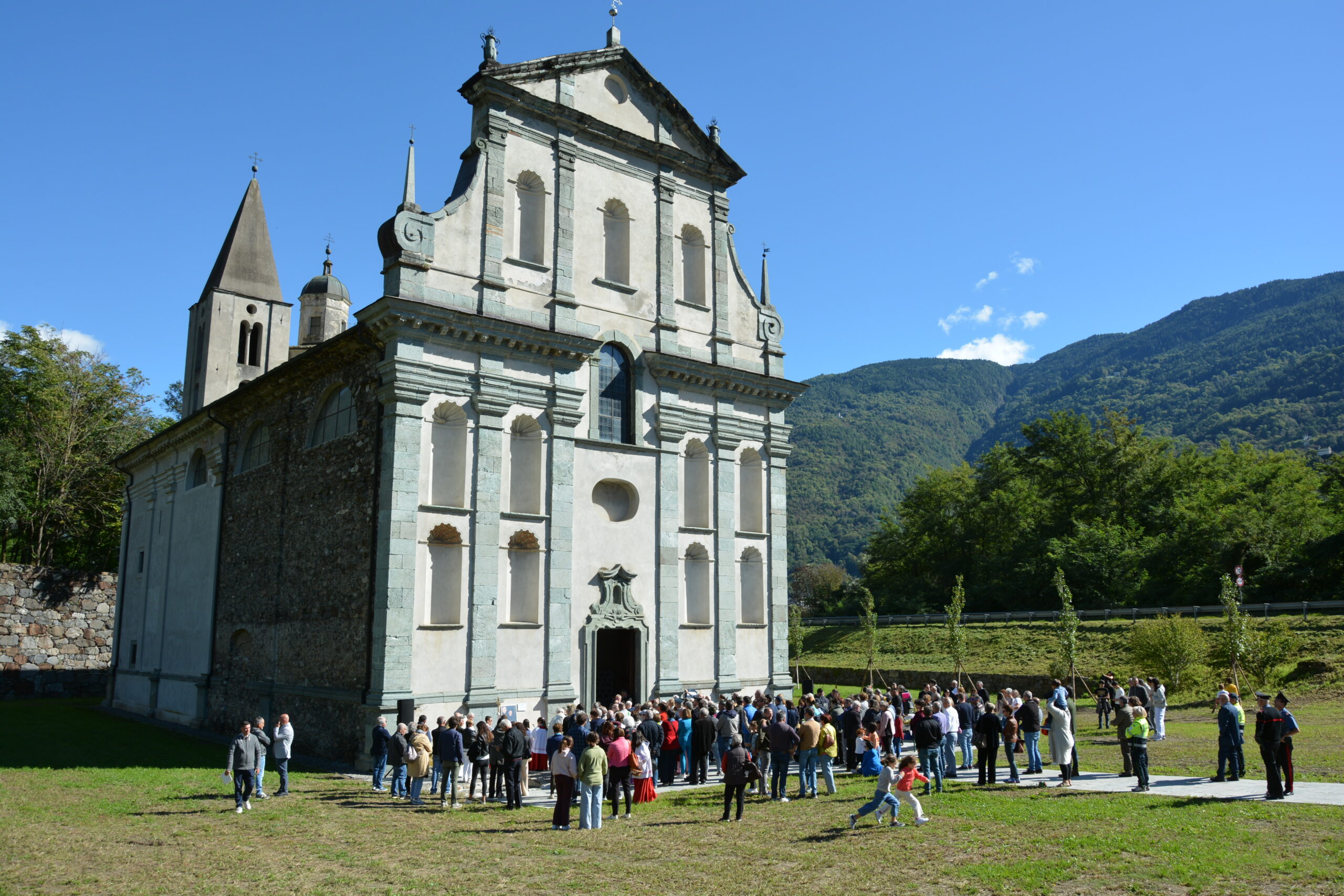
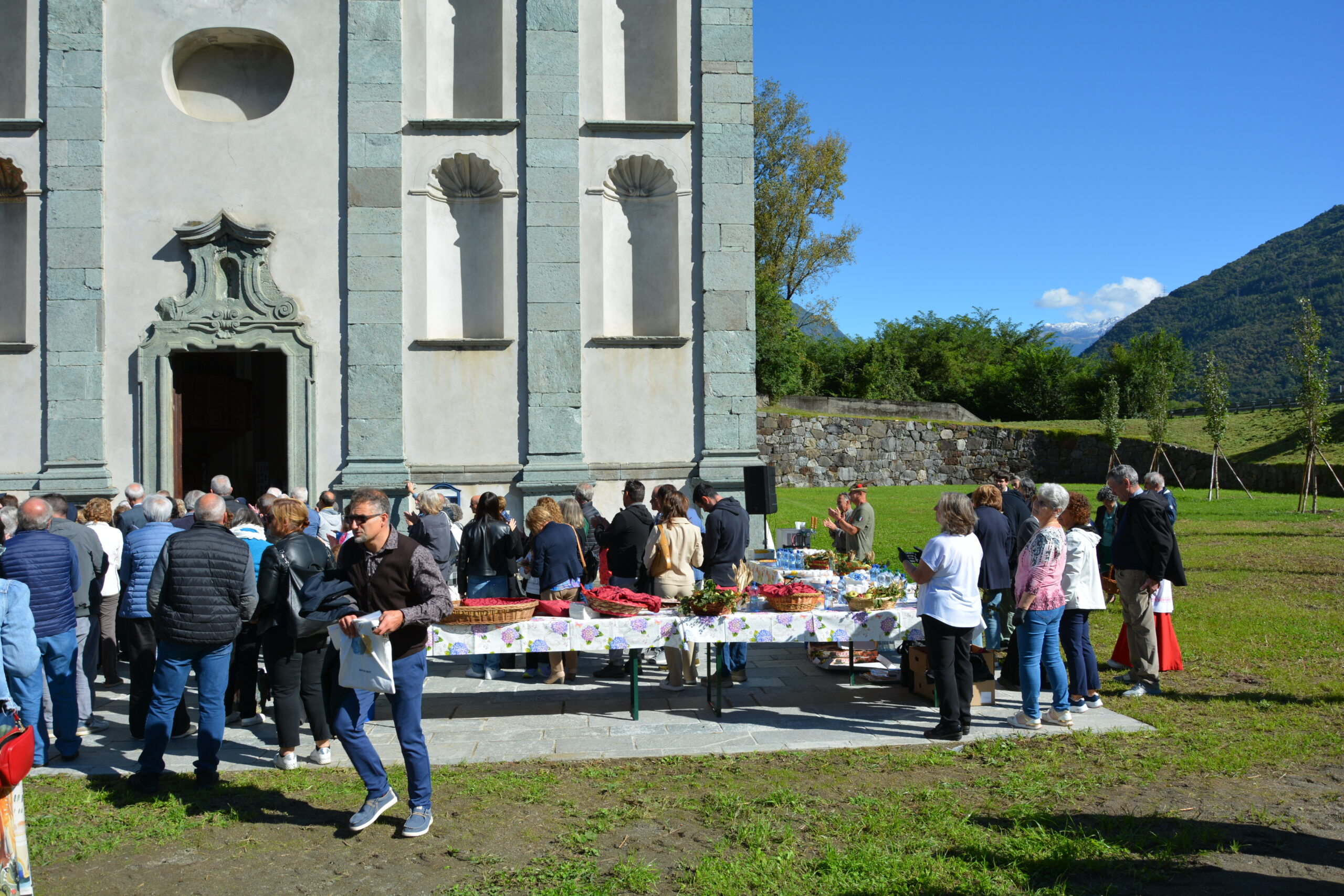
Situated at the edge of the Bianzone dejection cone, in the middle of a vast square (partly created by the relocation of the Stelvio state road in 1980), the sanctuary presents itself differently depending on the direction of arrival. For those arriving from Tirano, the view is dominated by the beautiful niche façade, with green stone cornices and pilasters, a harmonious work that anticipates the Baroque style. The green stone portal, dated 1746, has a small upper niche. An arched window interrupts the central cornice, while large lunettes and square windows framed in green stone open at the sides and bottom, with a continuous cordon at the base.
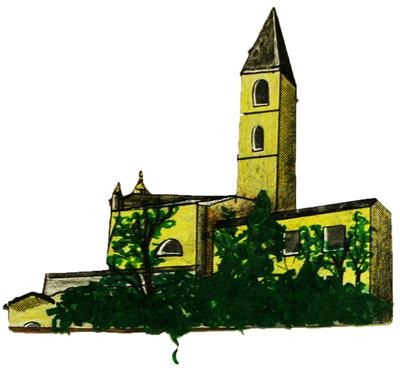
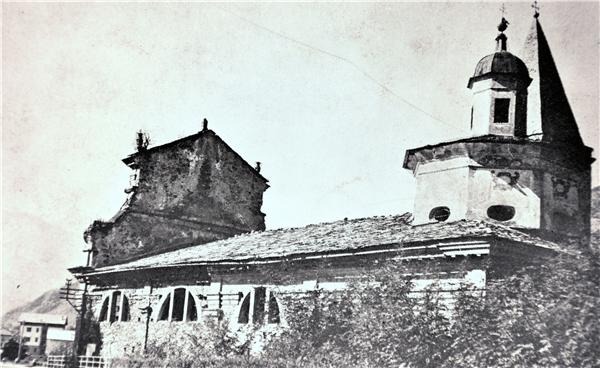
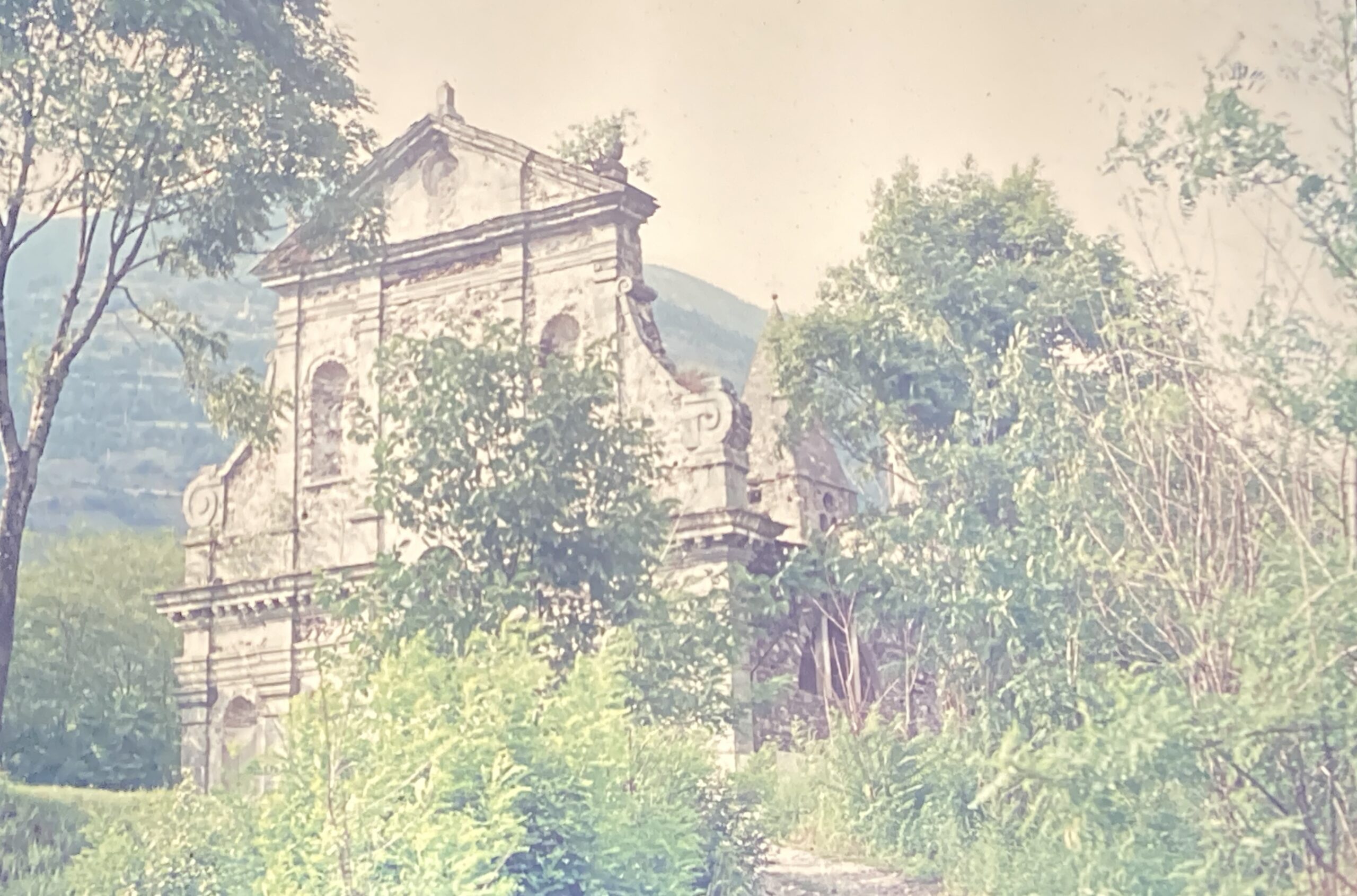
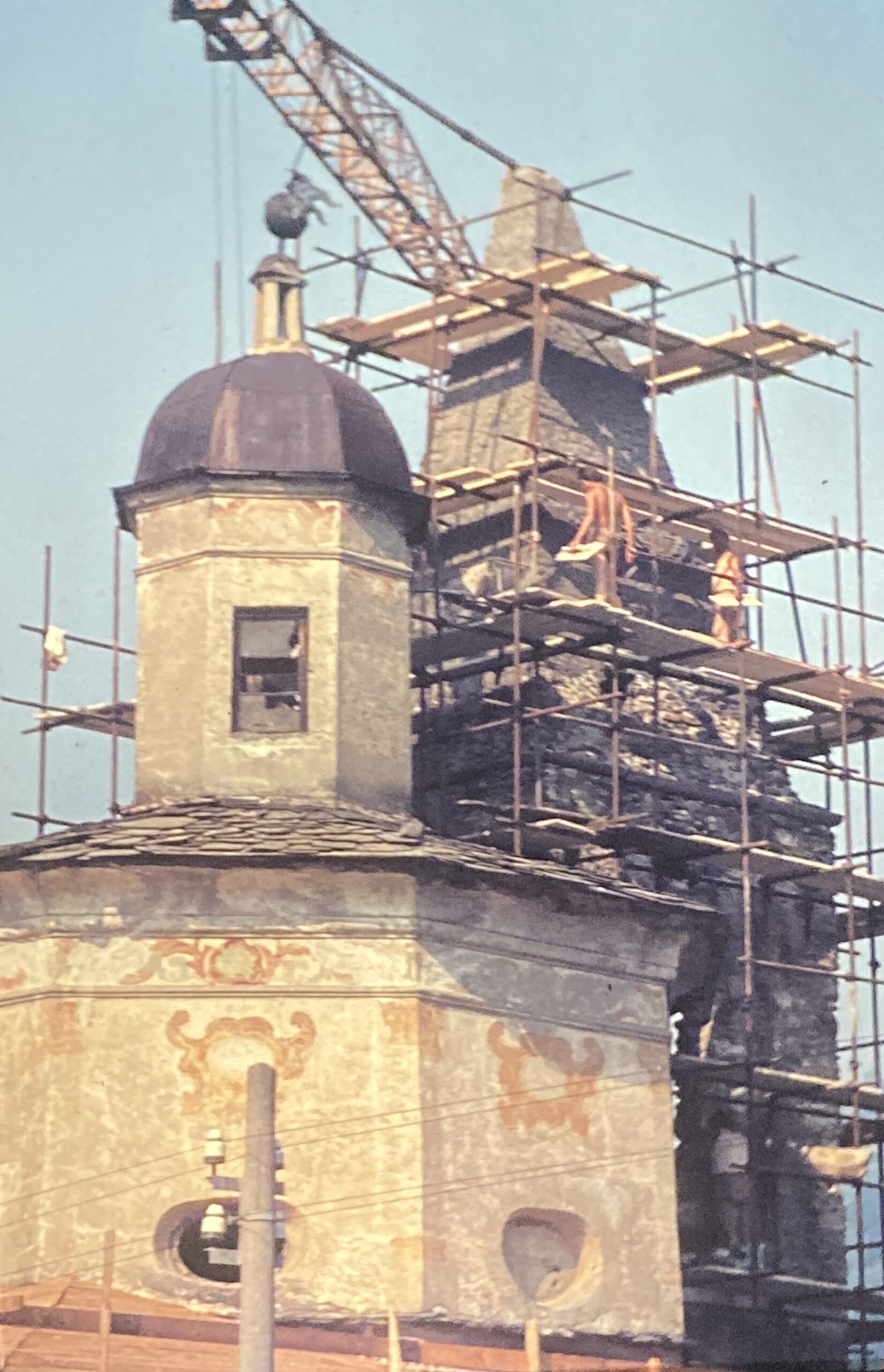
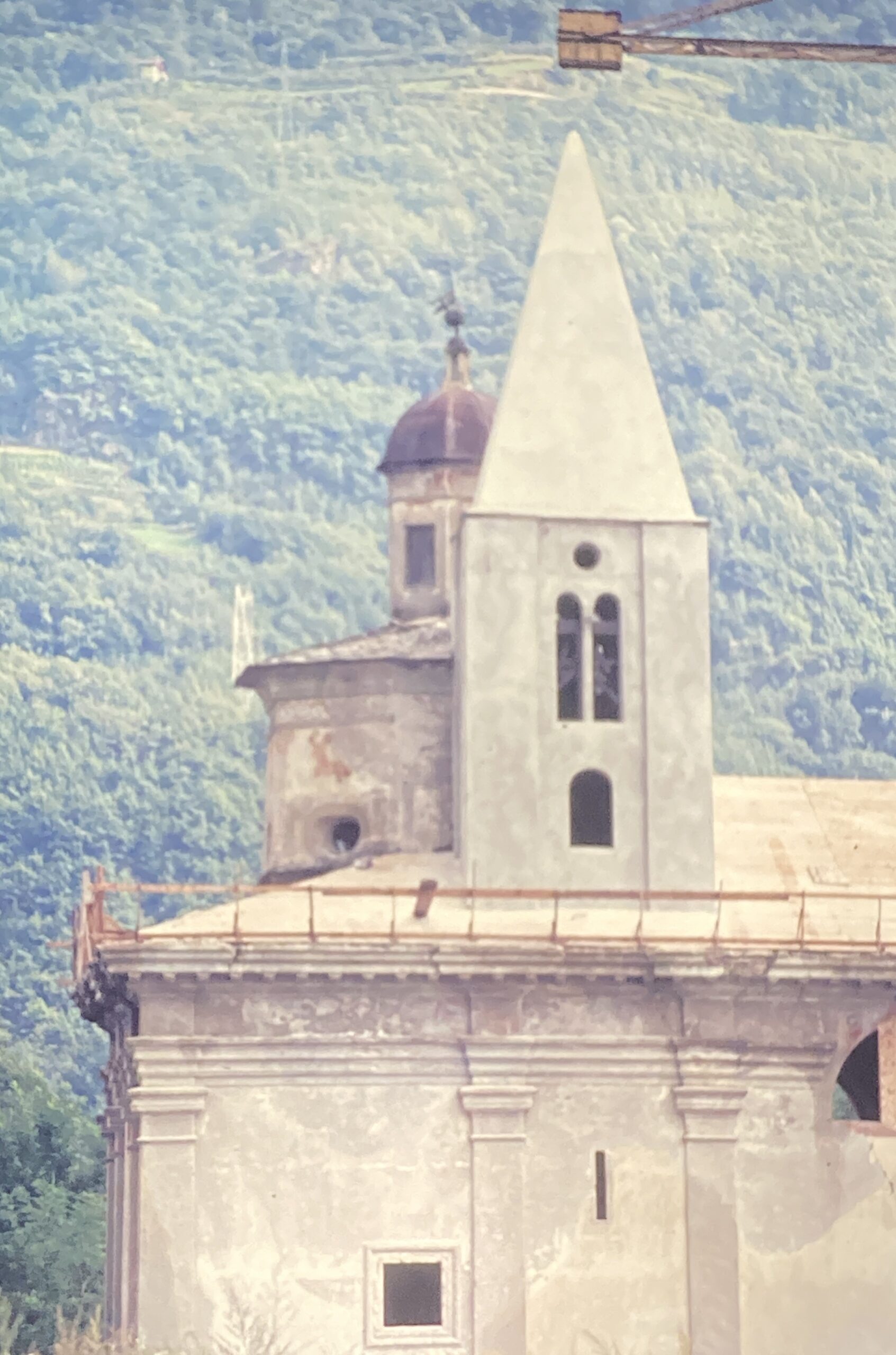
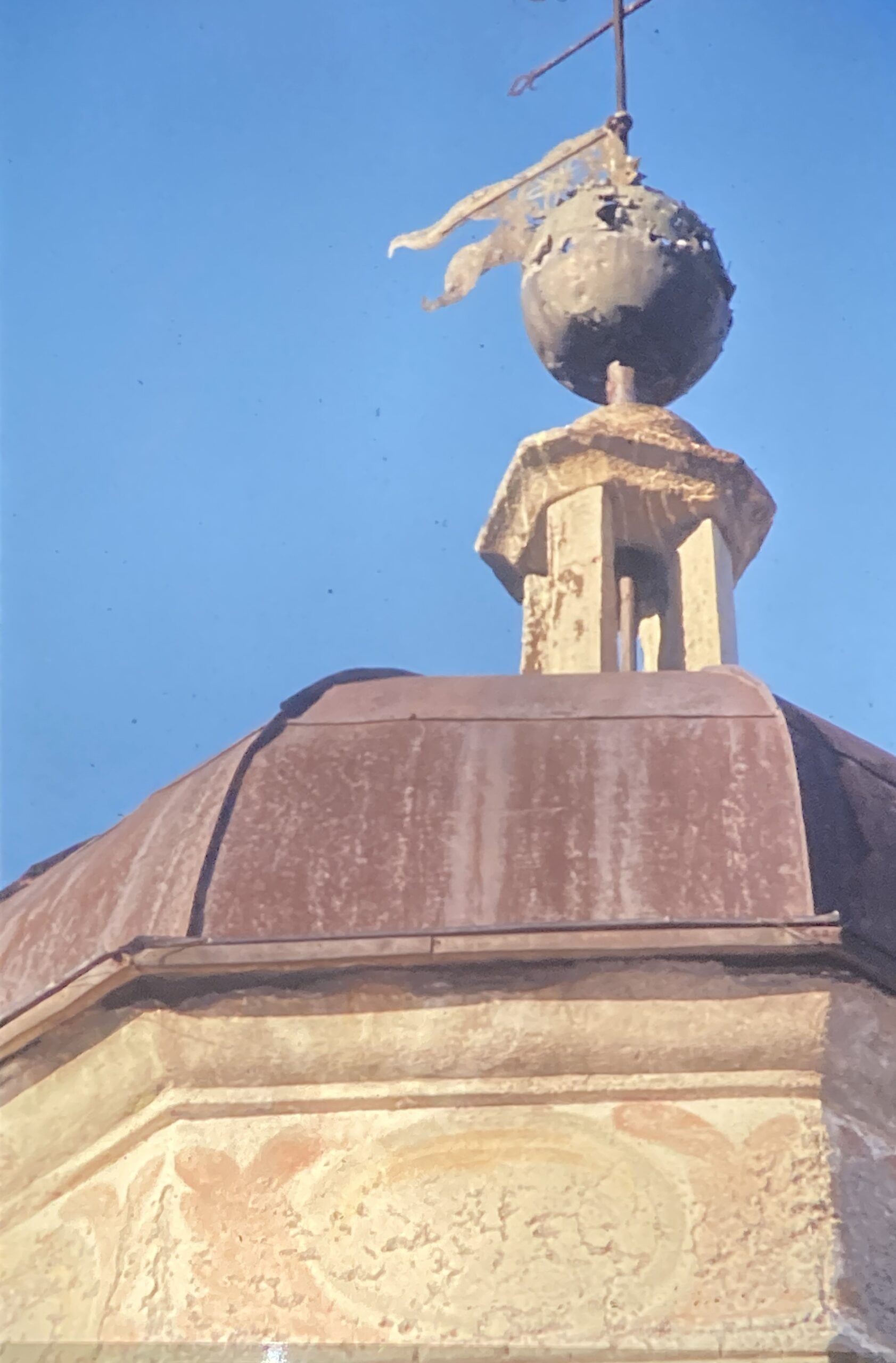
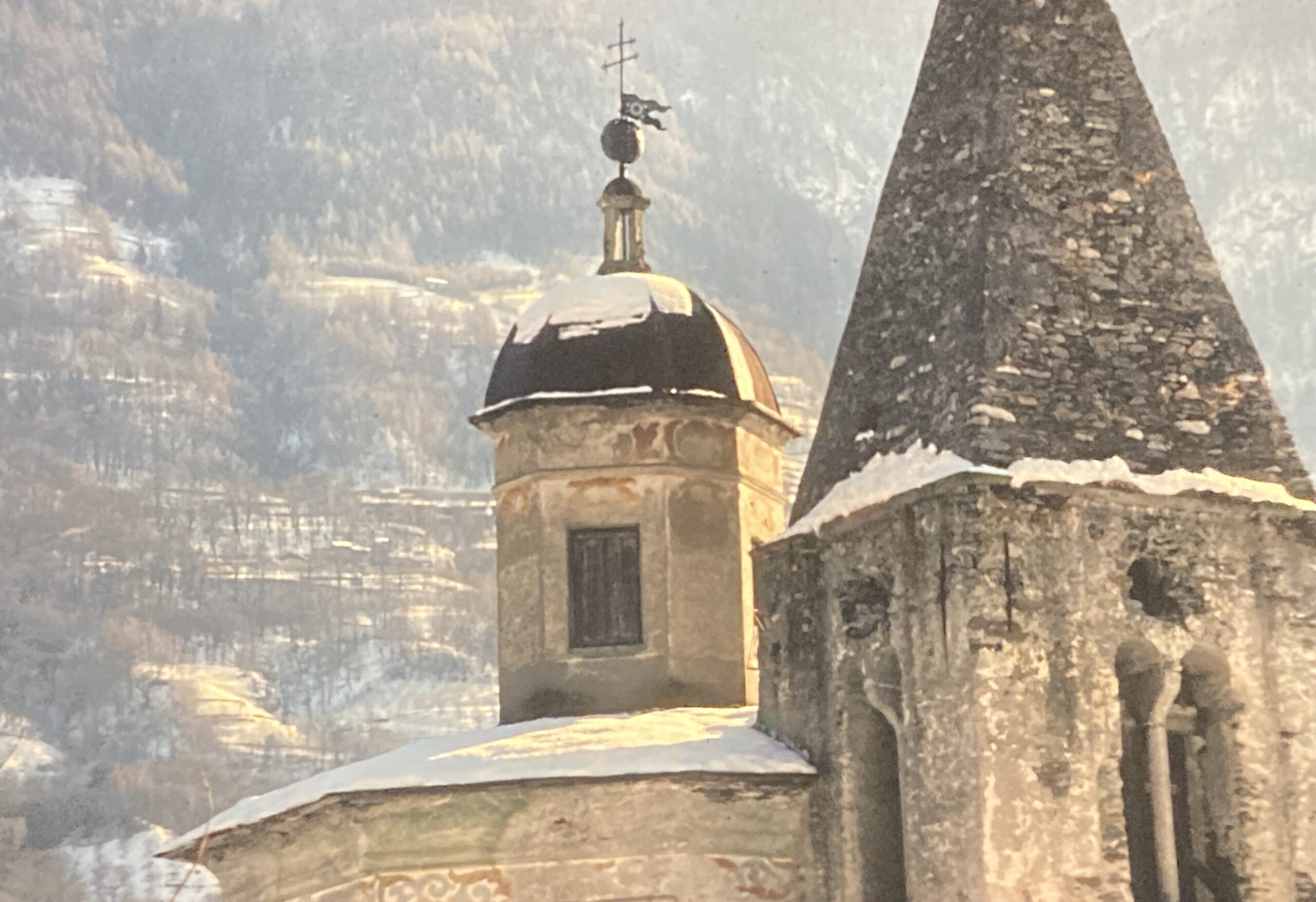
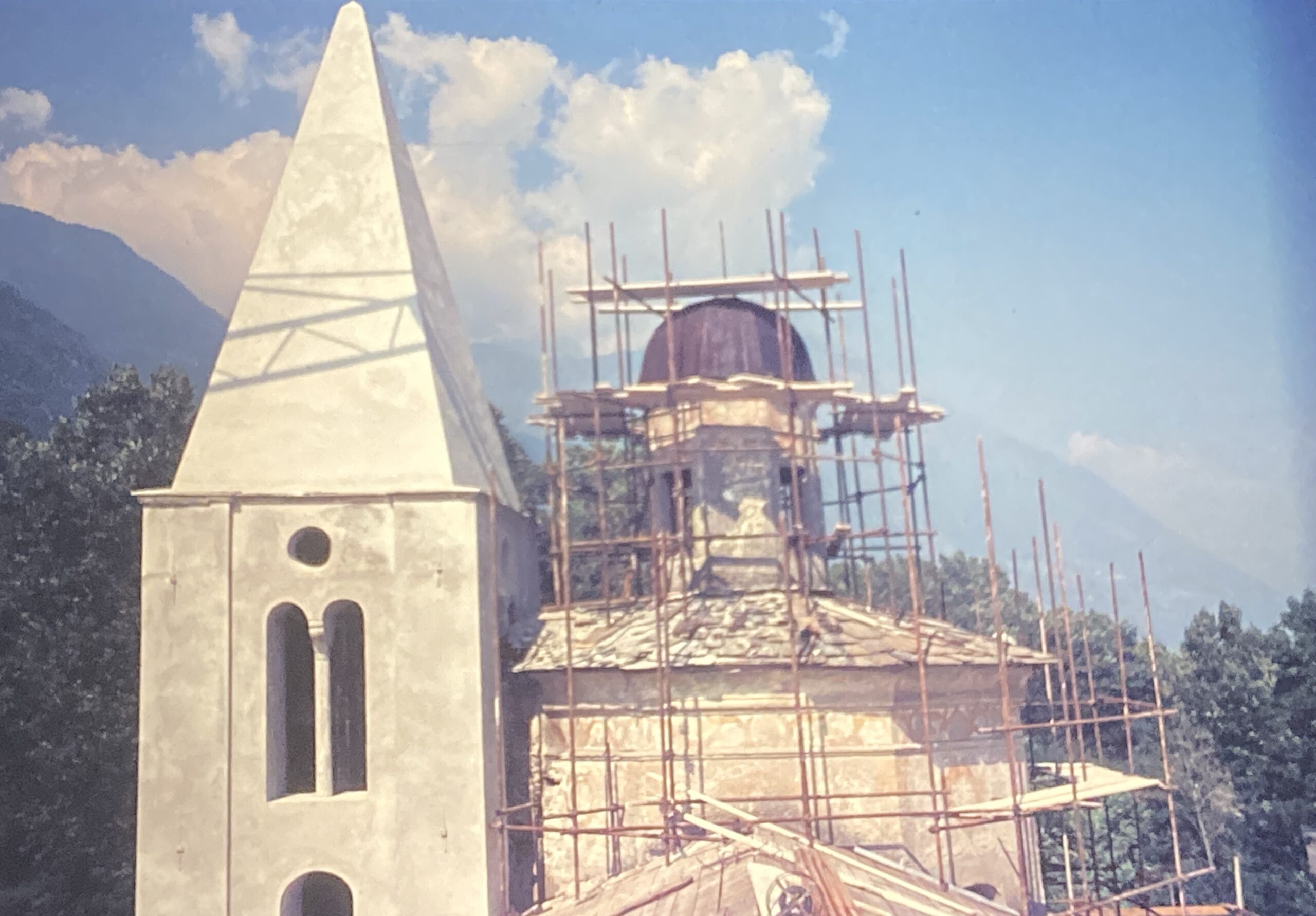
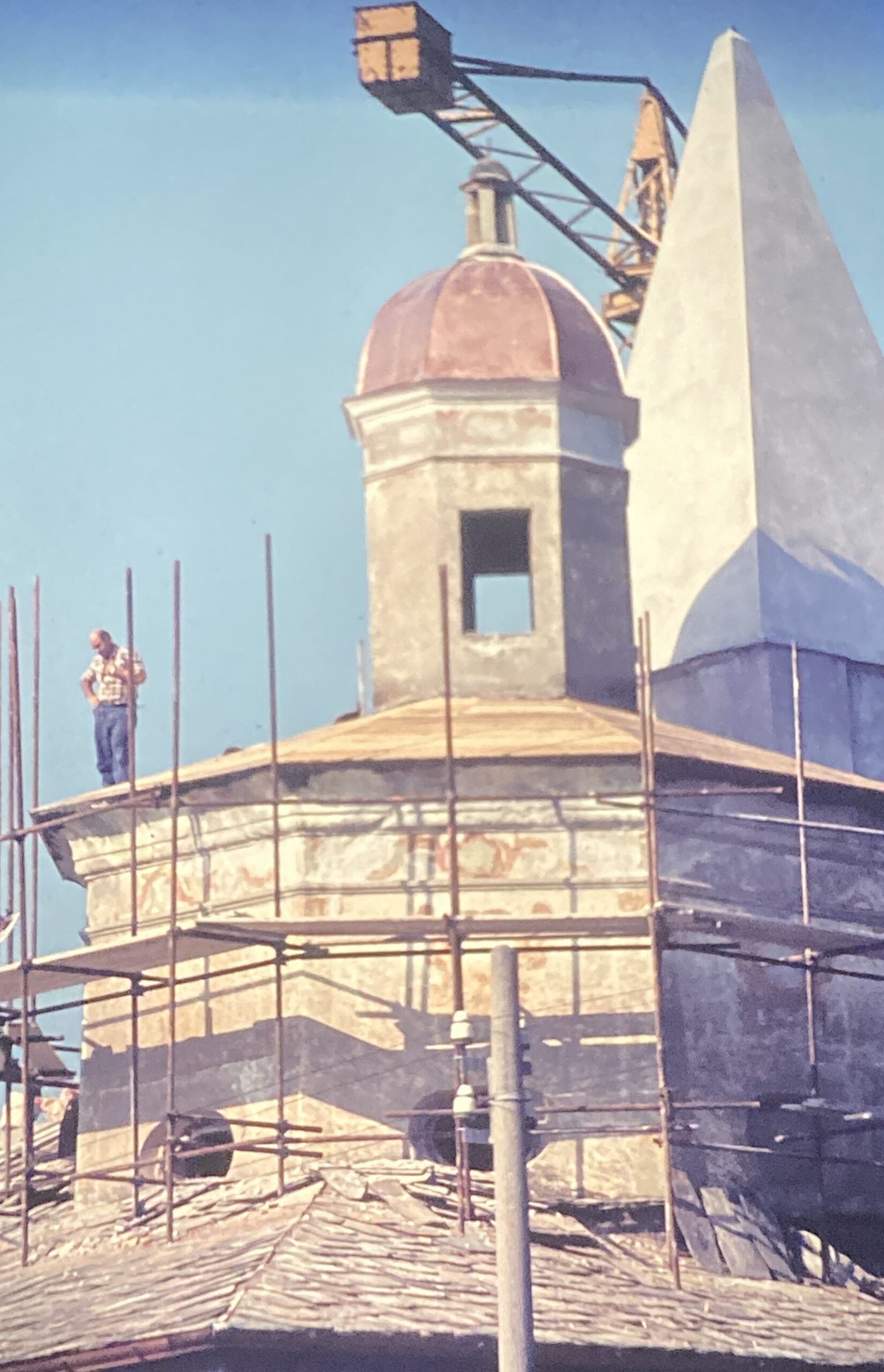
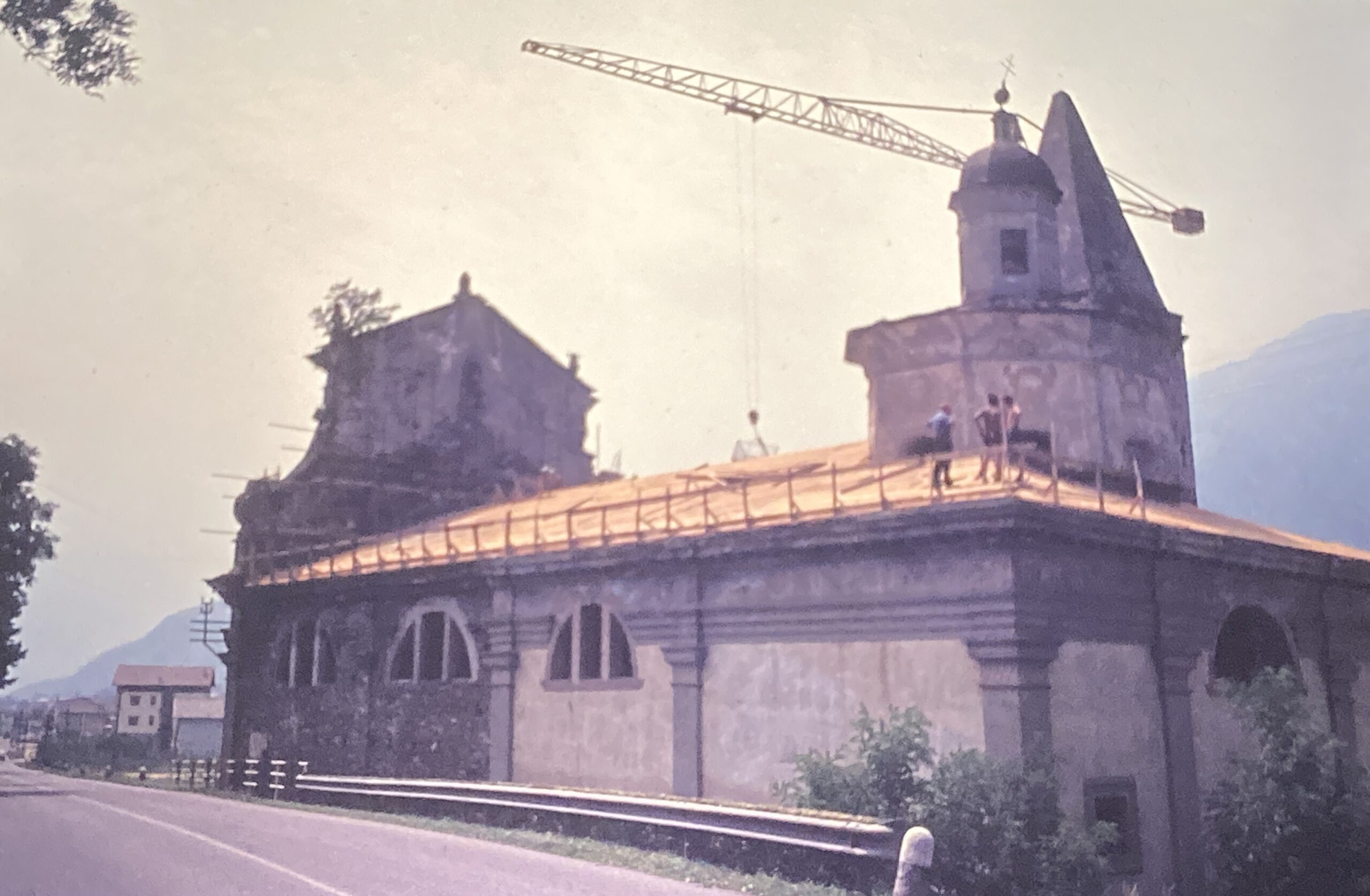
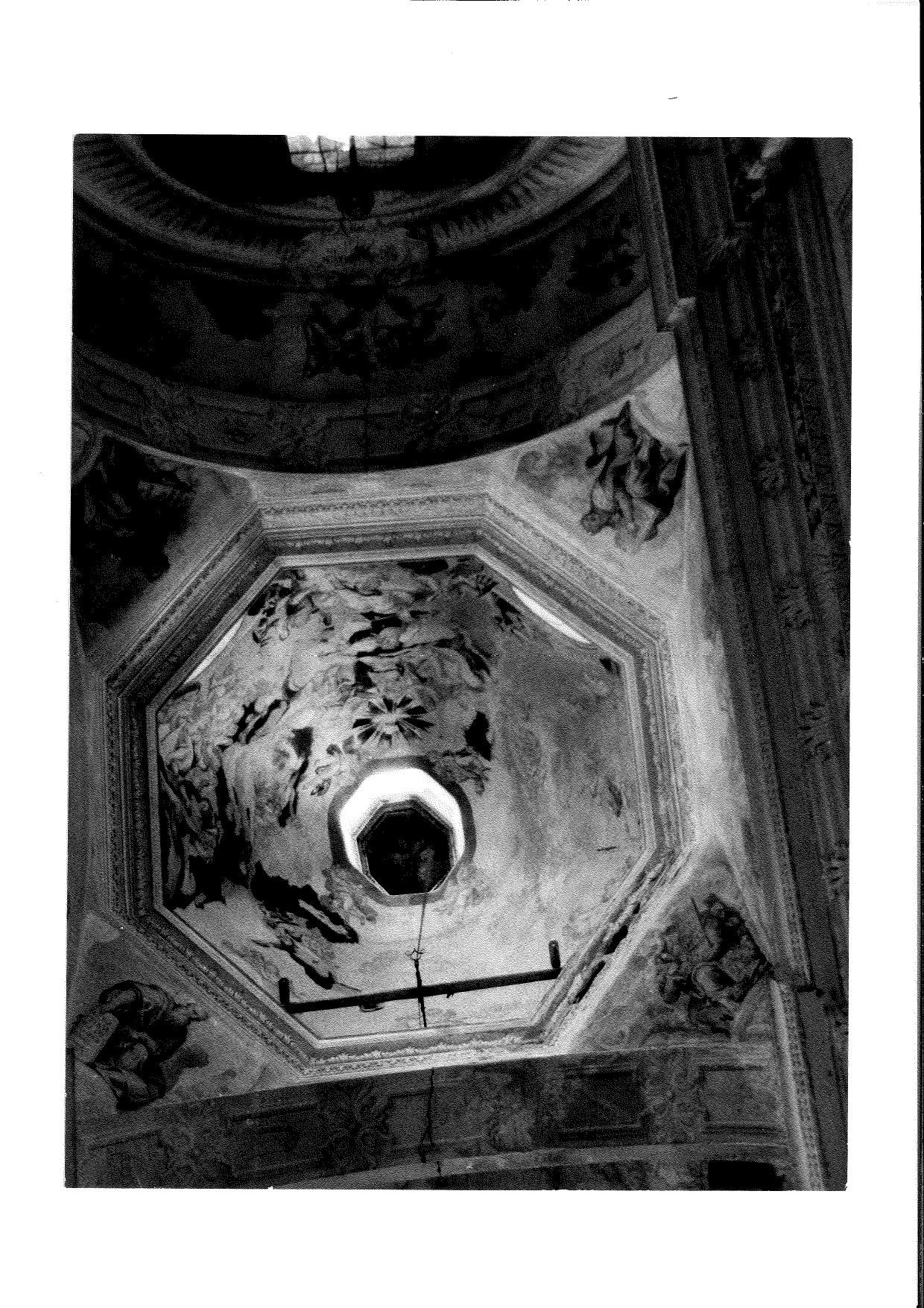
For those arriving from Sondrio, the building shows an interesting combination: the octagonal tiburium surmounted by the lantern of the Renaissance dome is juxtaposed to the’ancient medieval bell tower with an elongated quadrangular spire, which heralds the Gothic style and stands to the north of the sanctuary.
Interiors and restorations
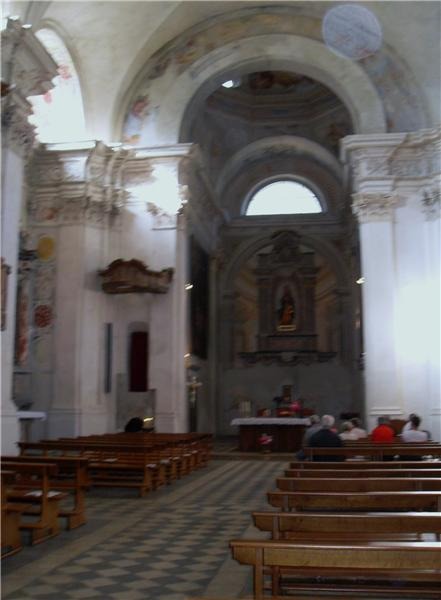
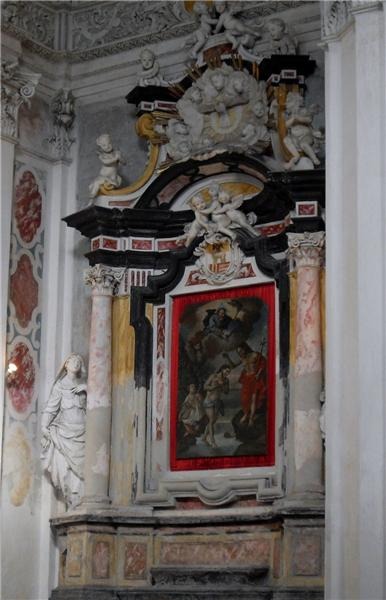
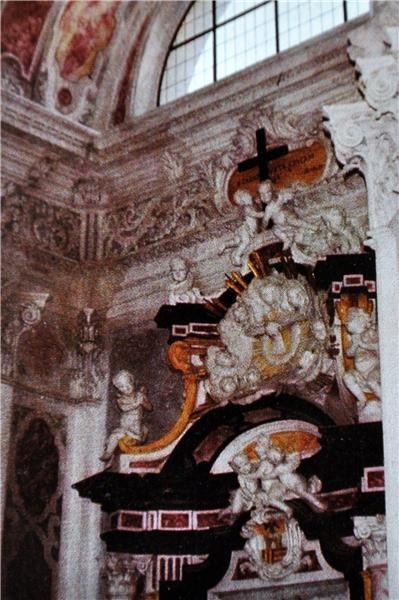
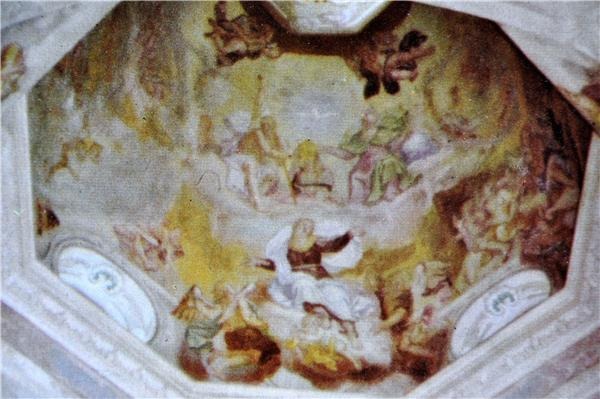
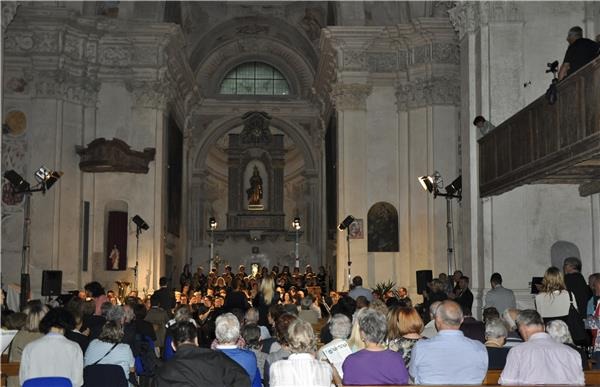
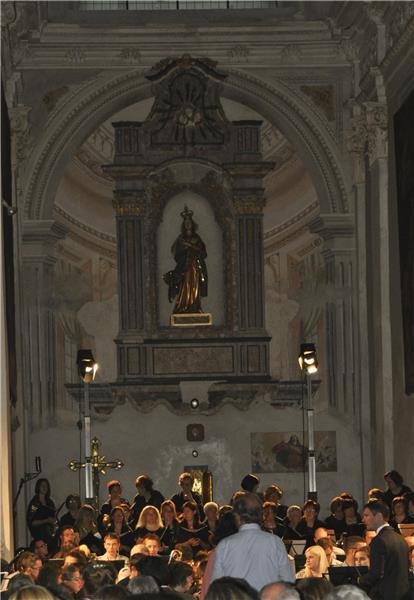
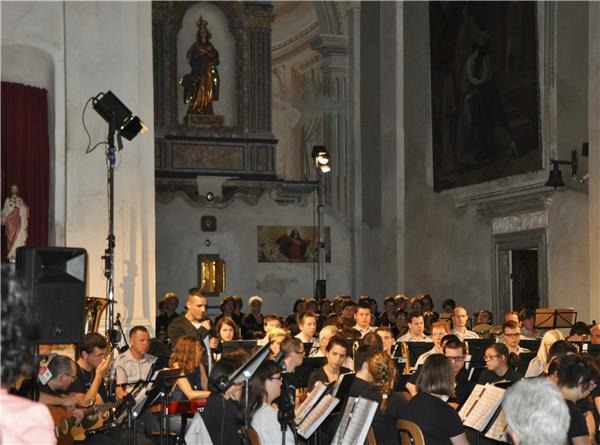
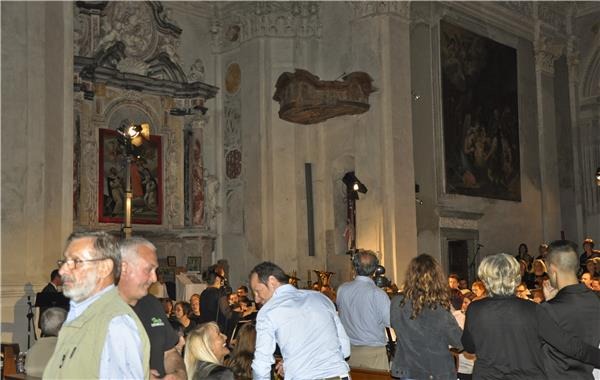
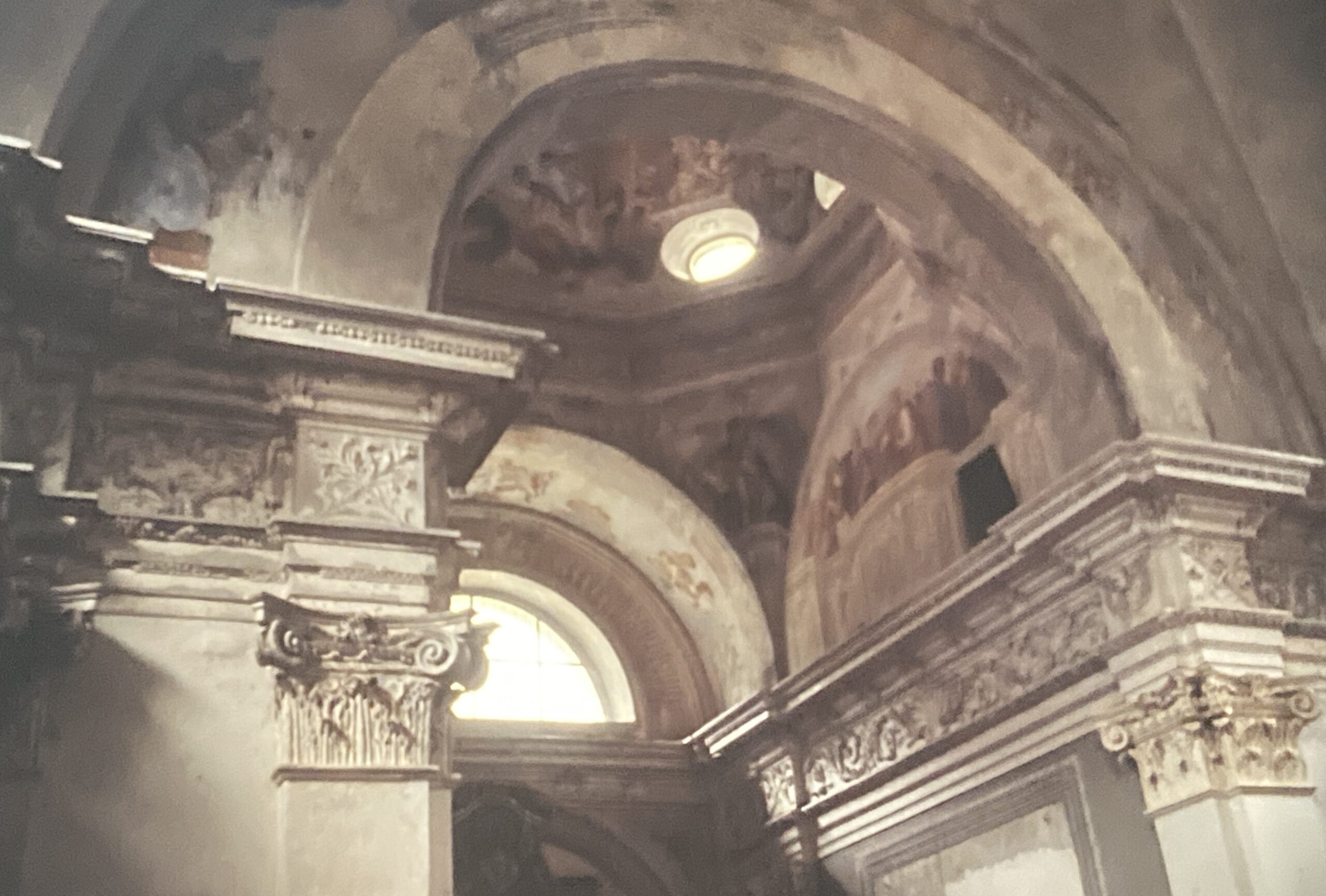
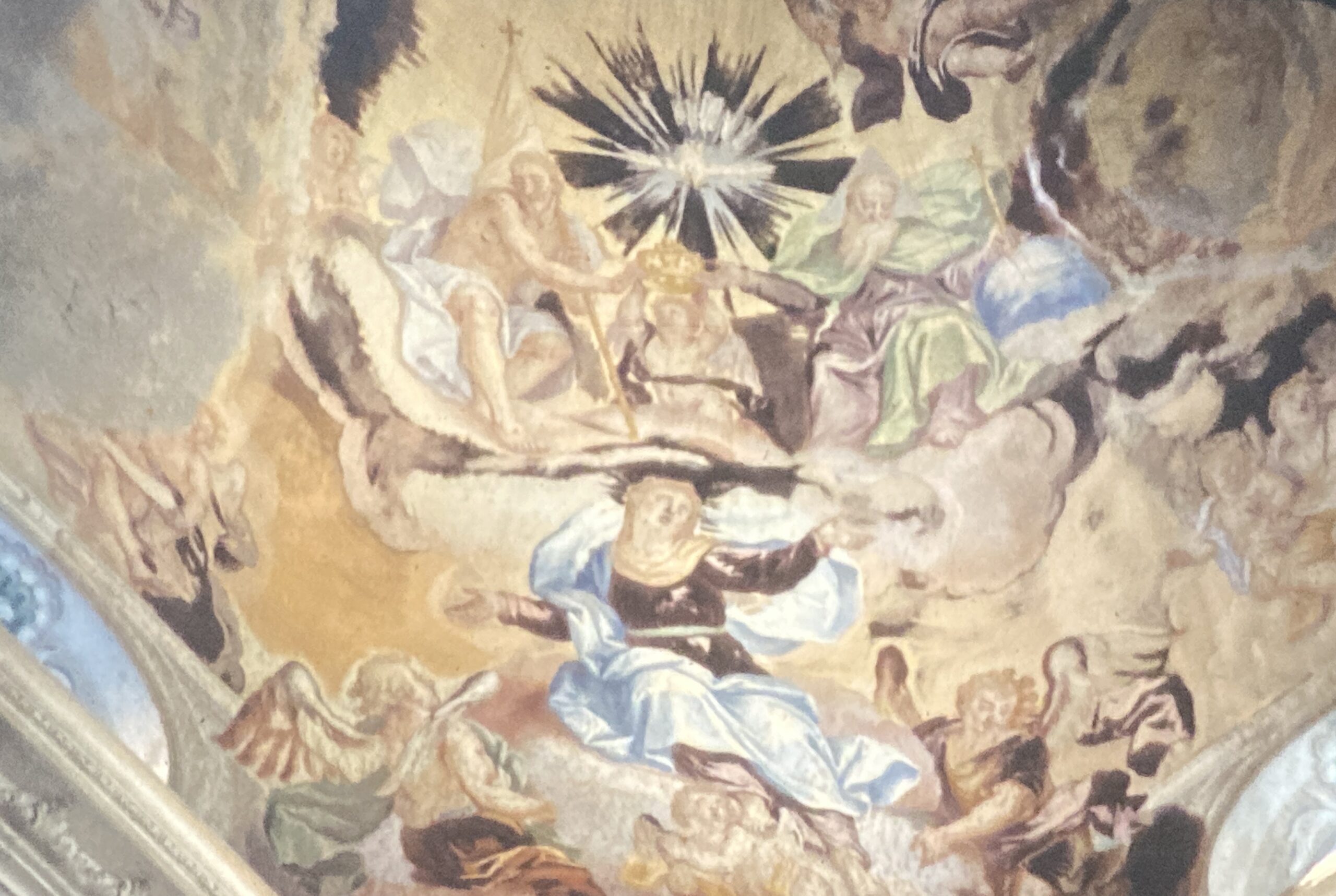
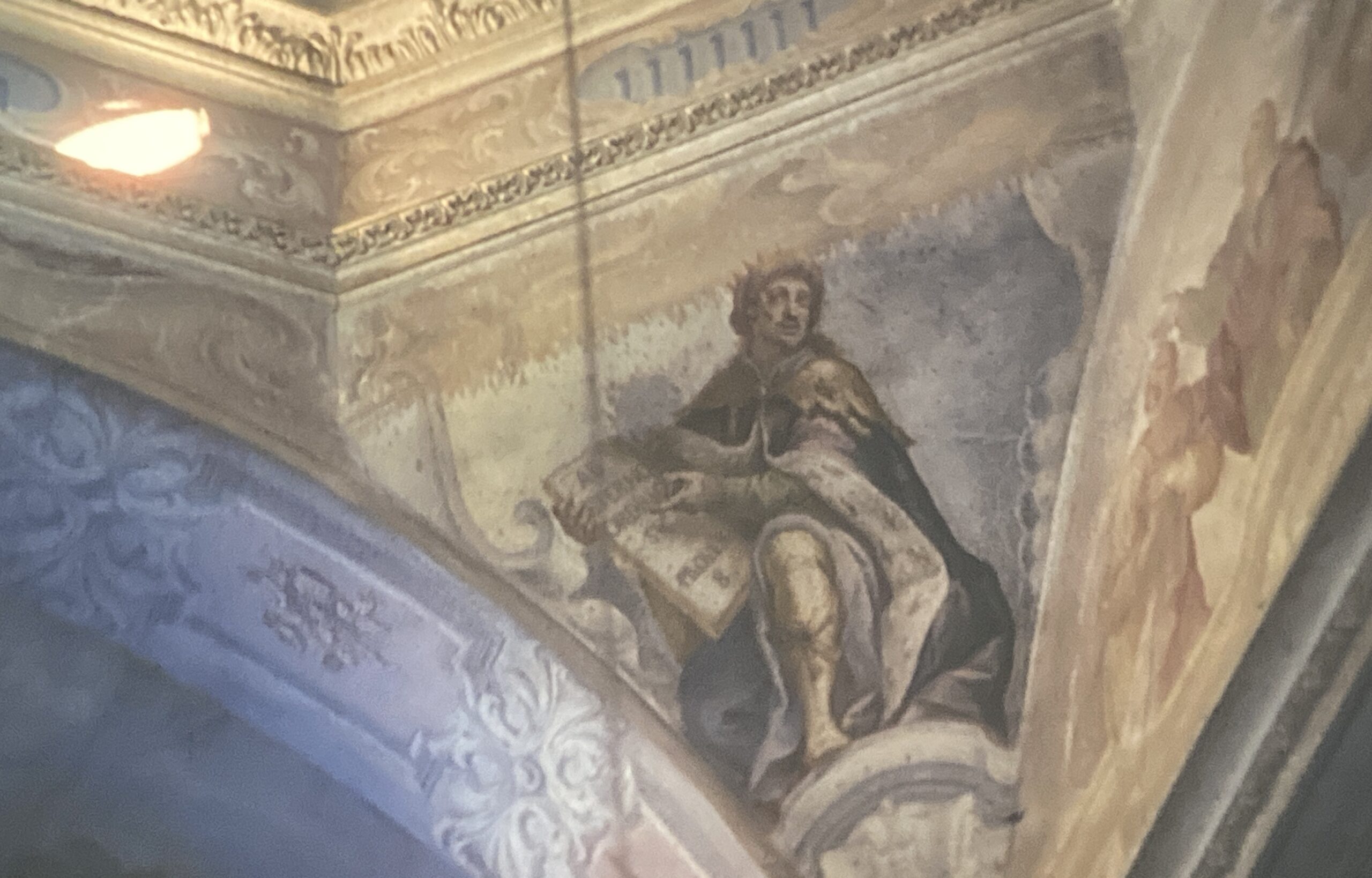
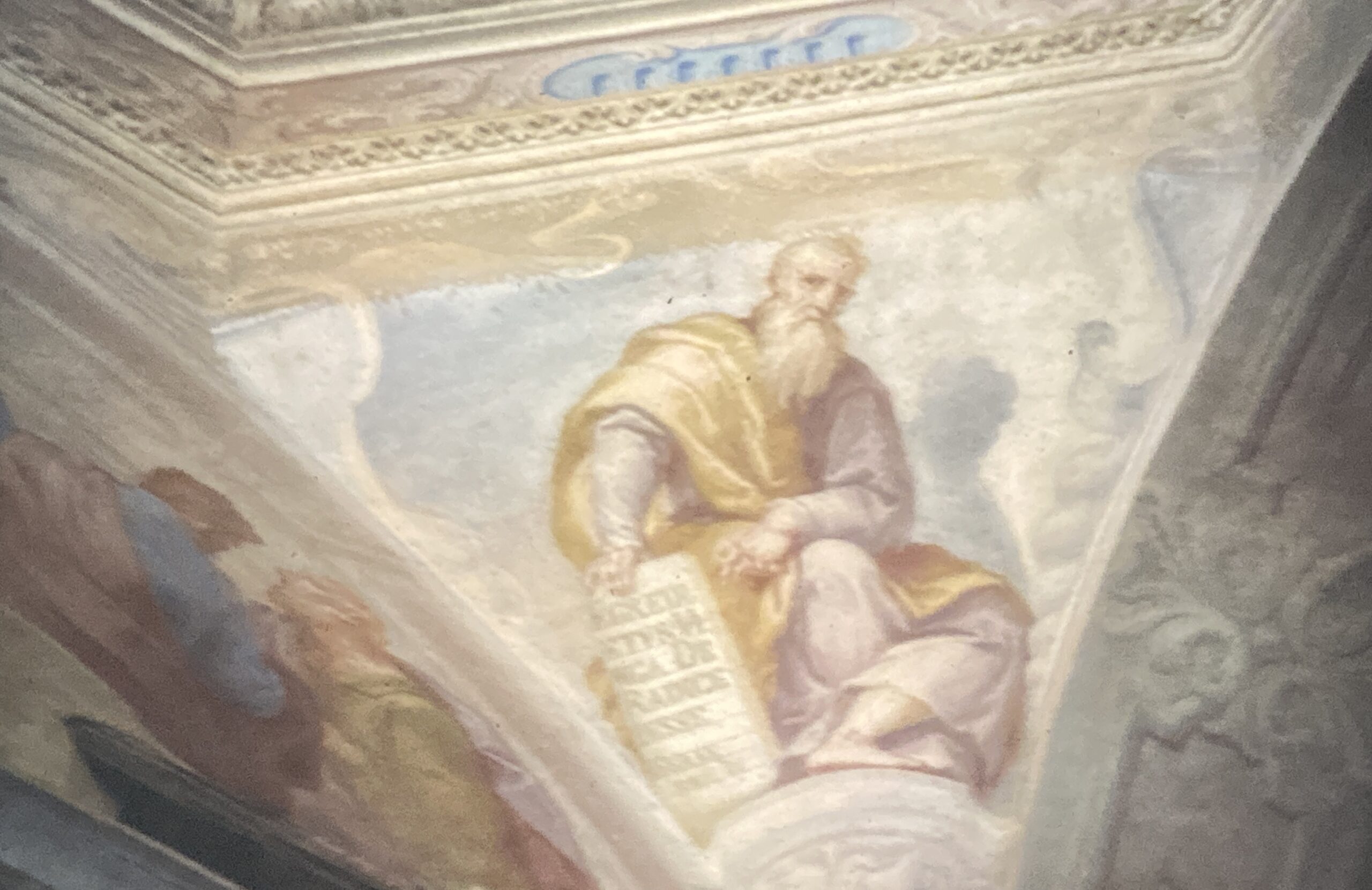
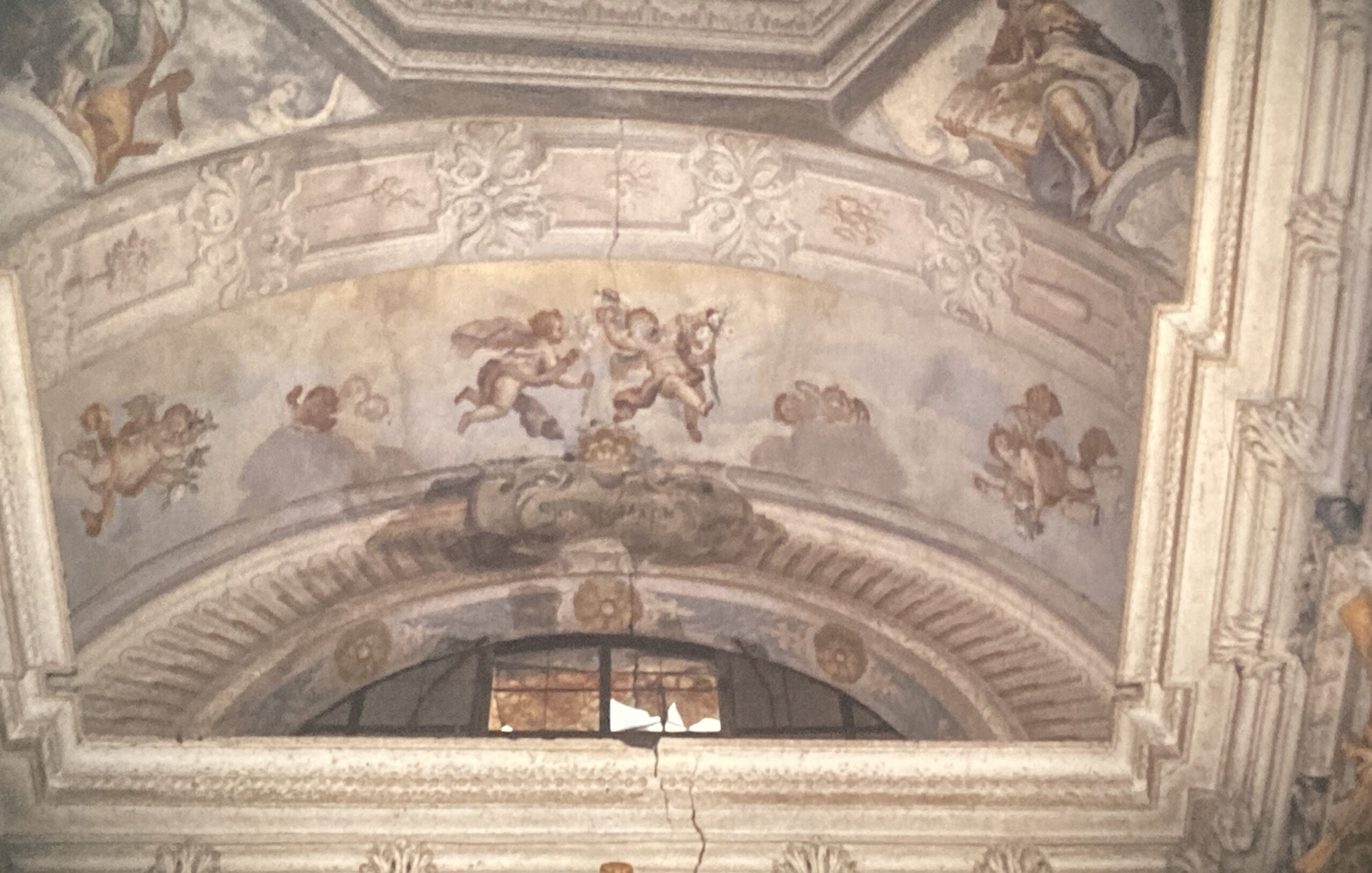
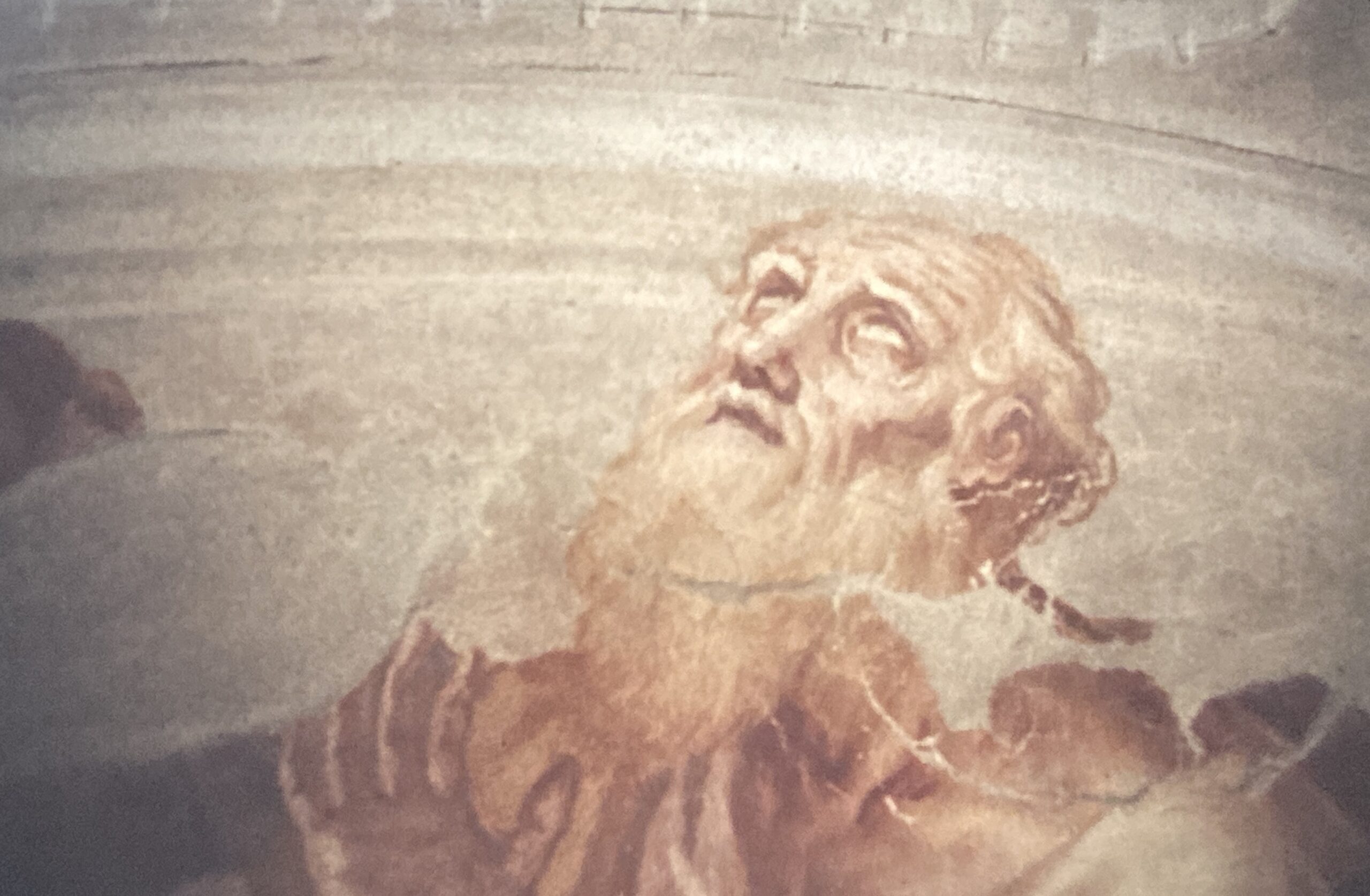
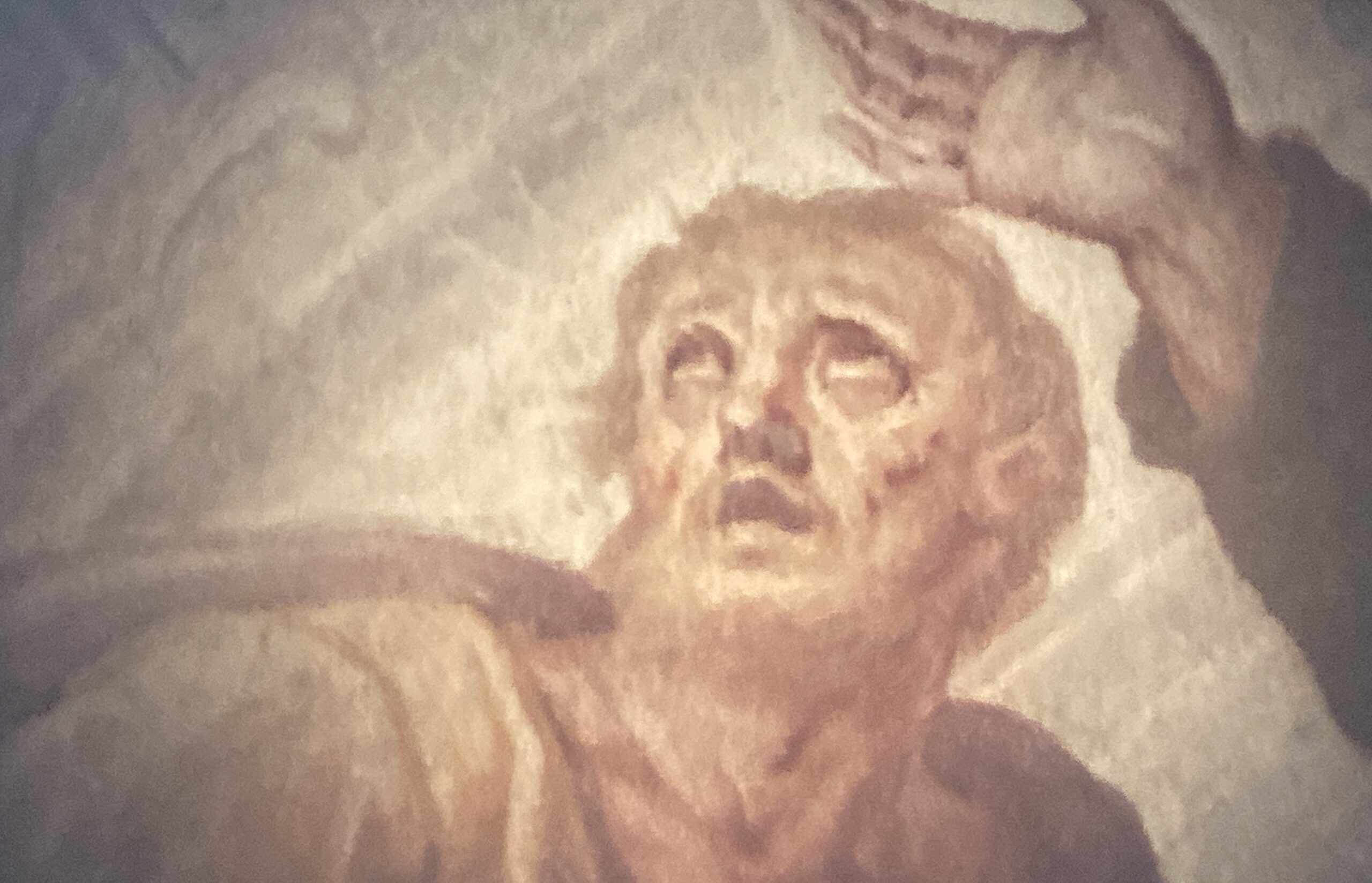
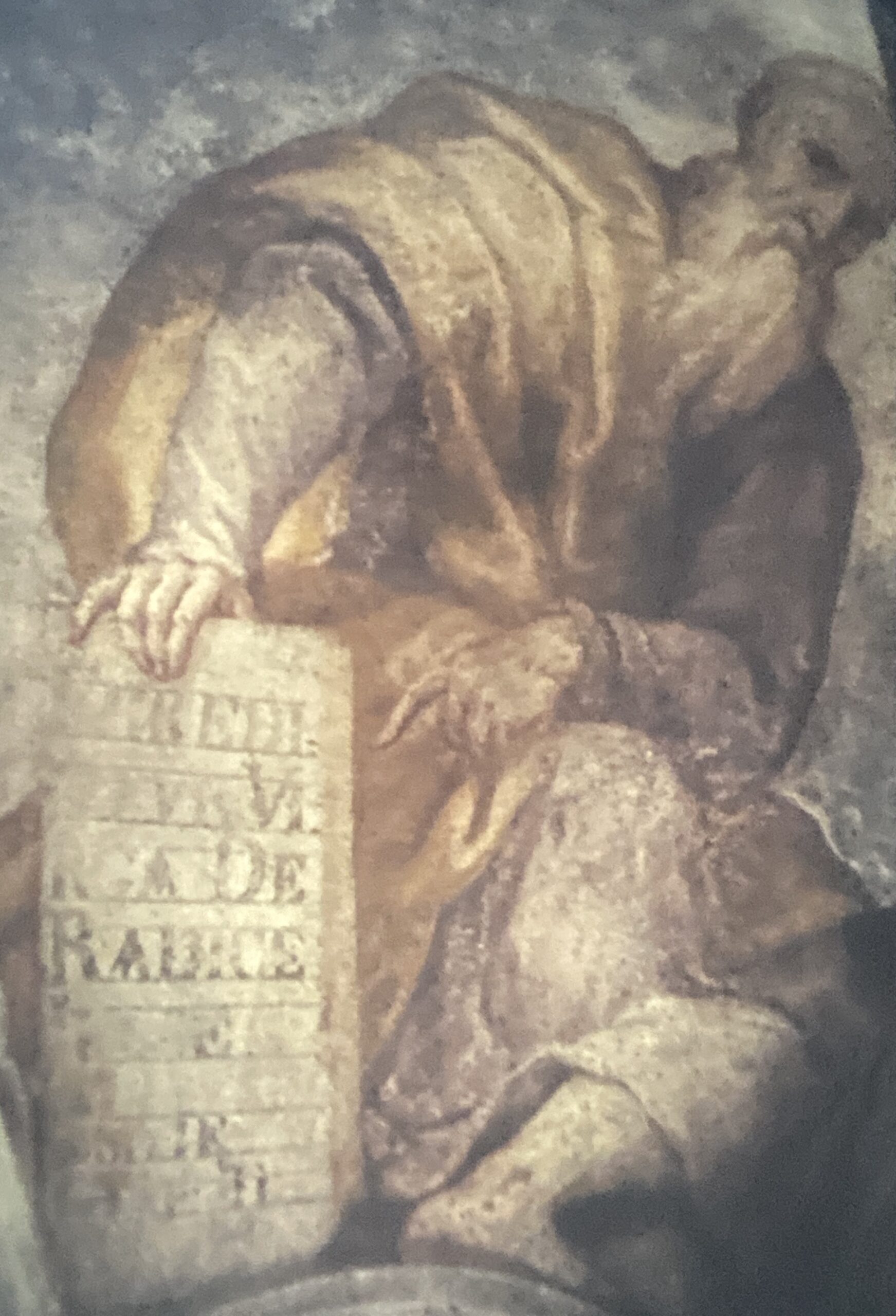
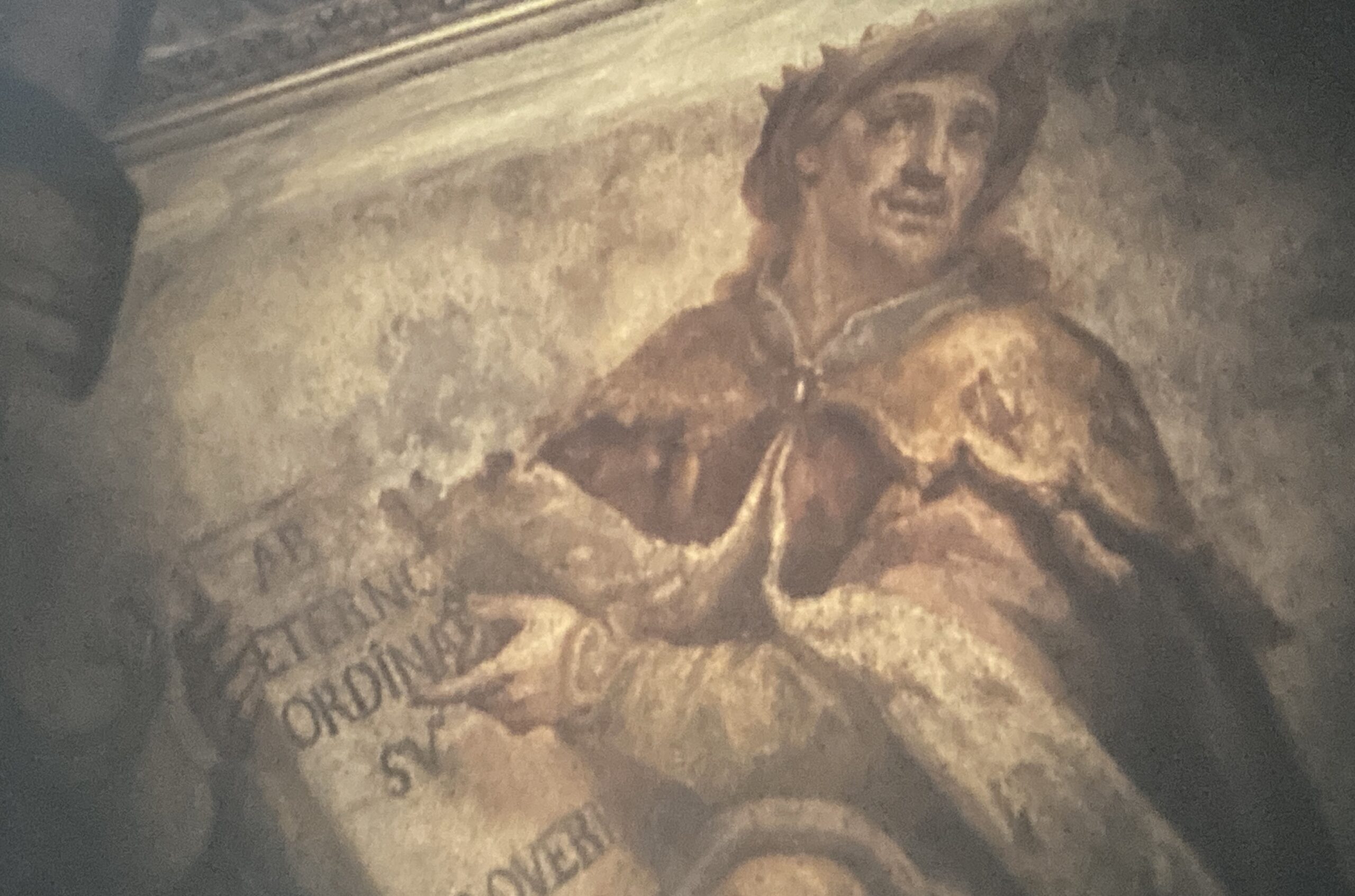
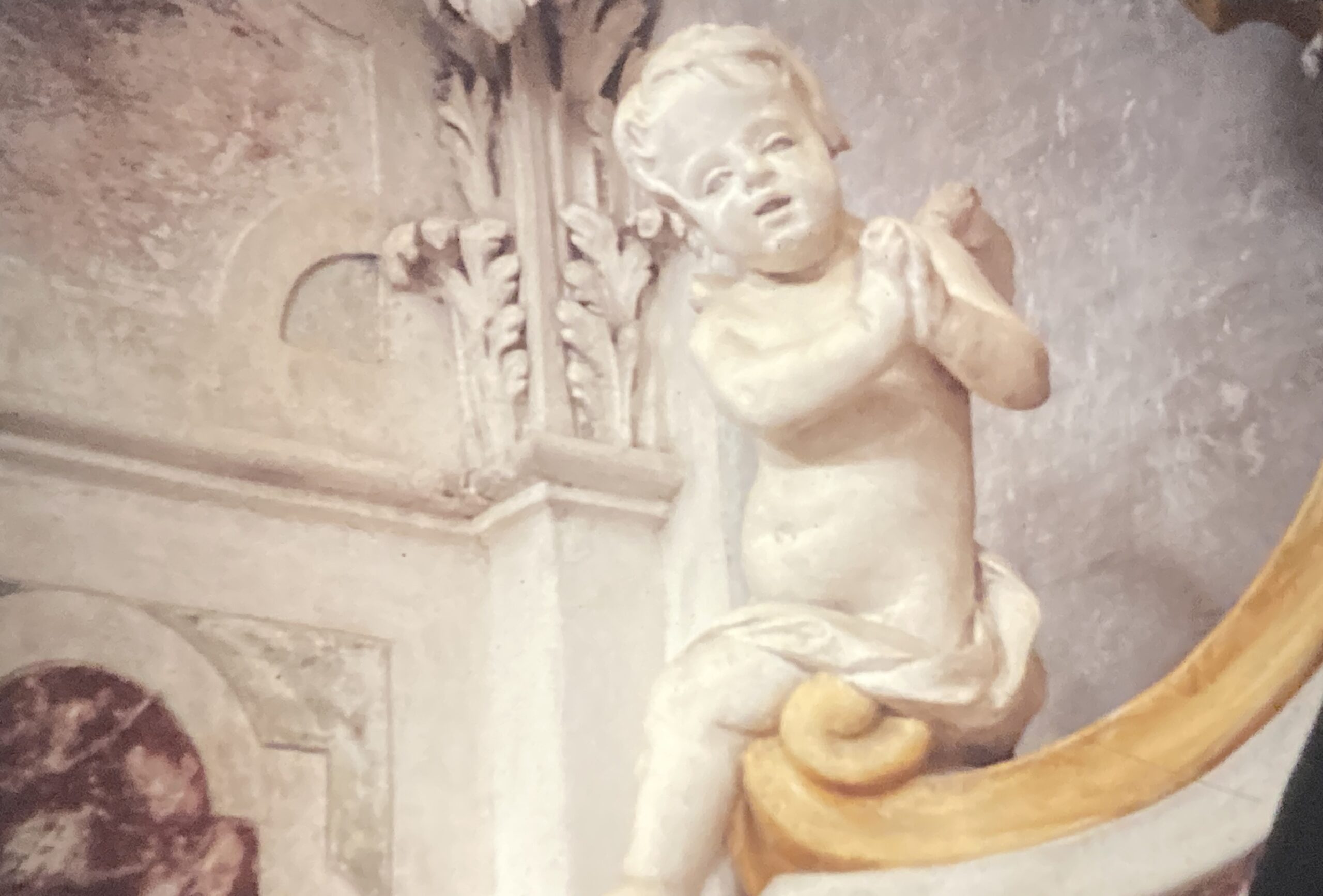
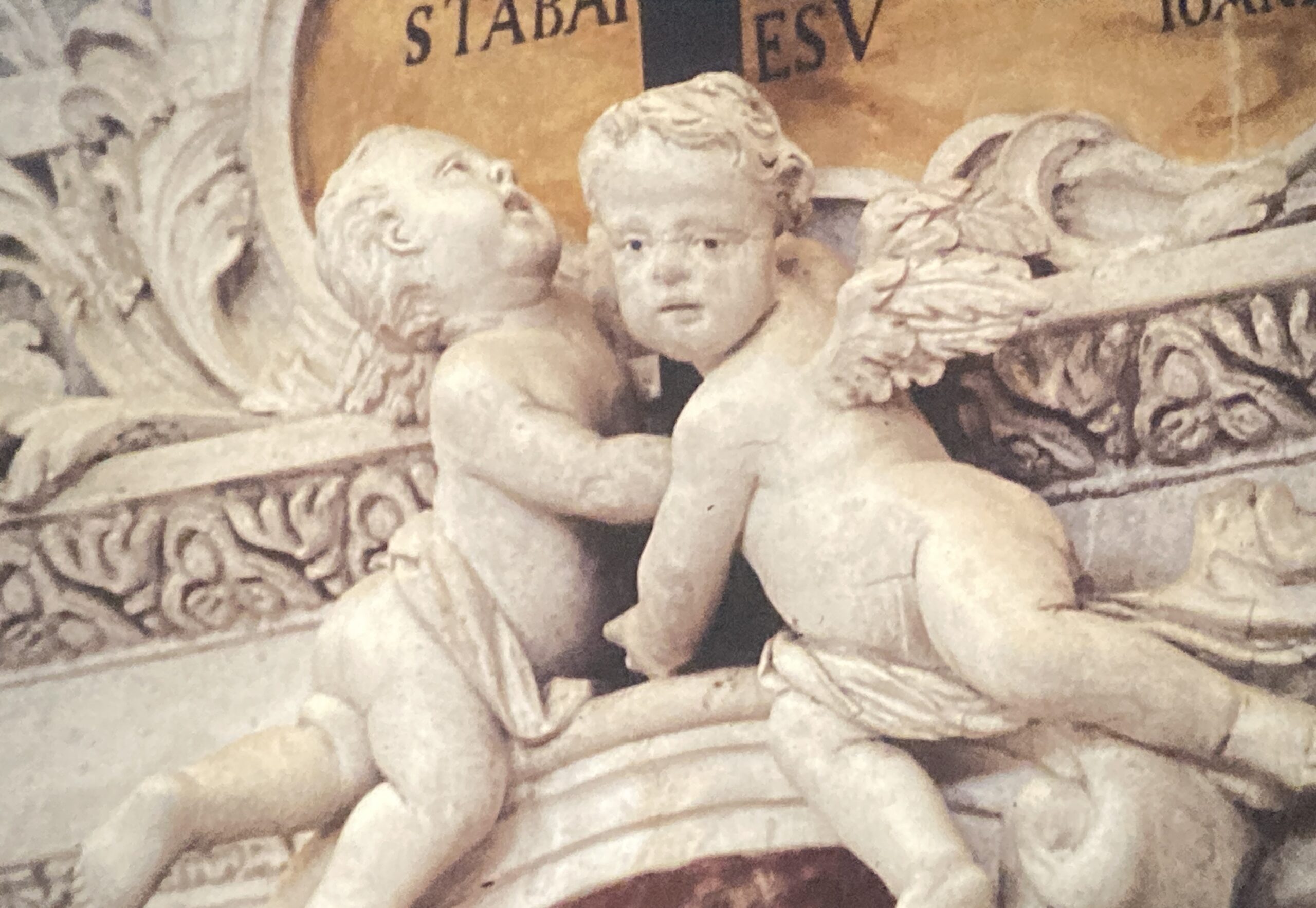
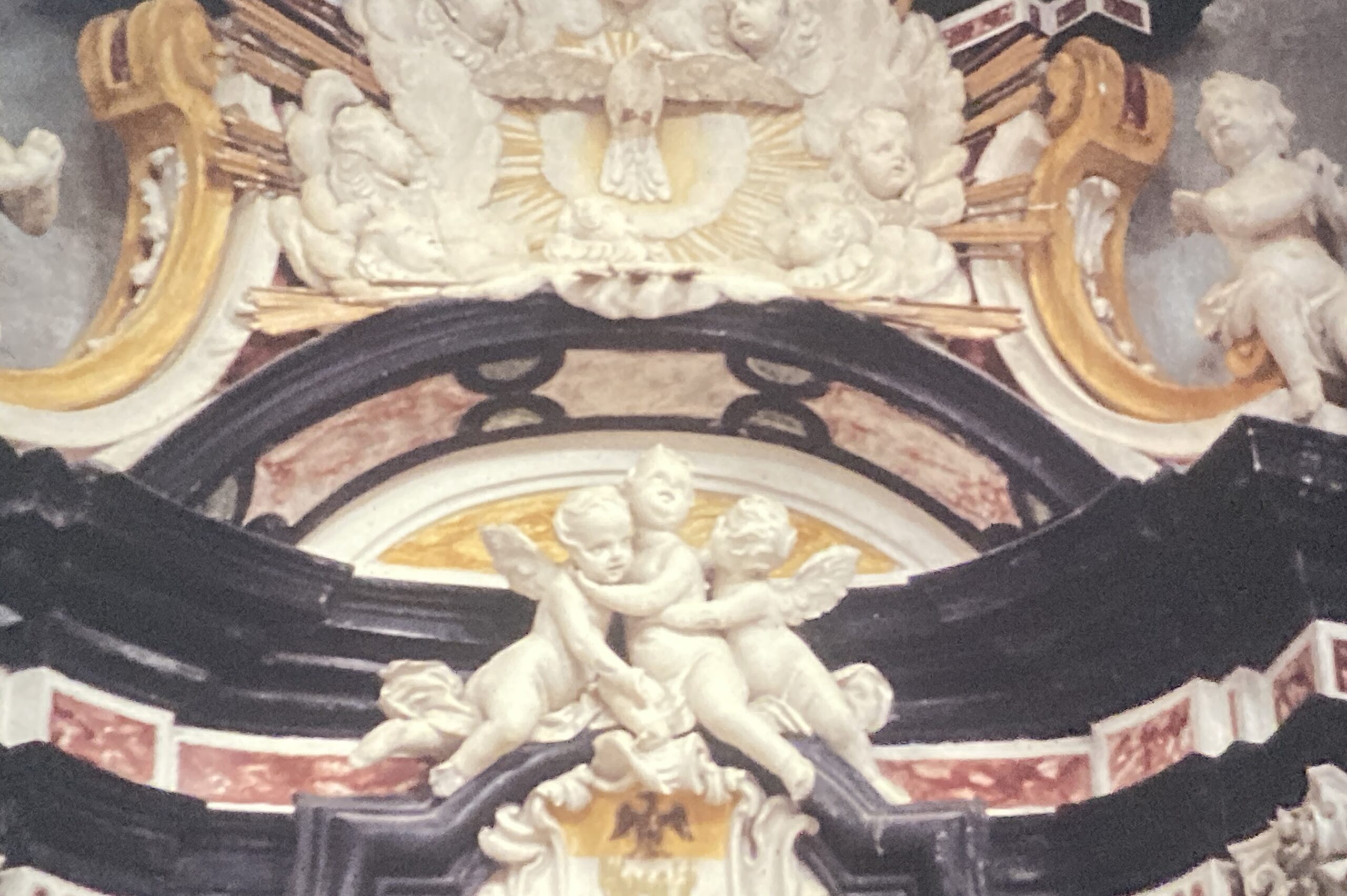
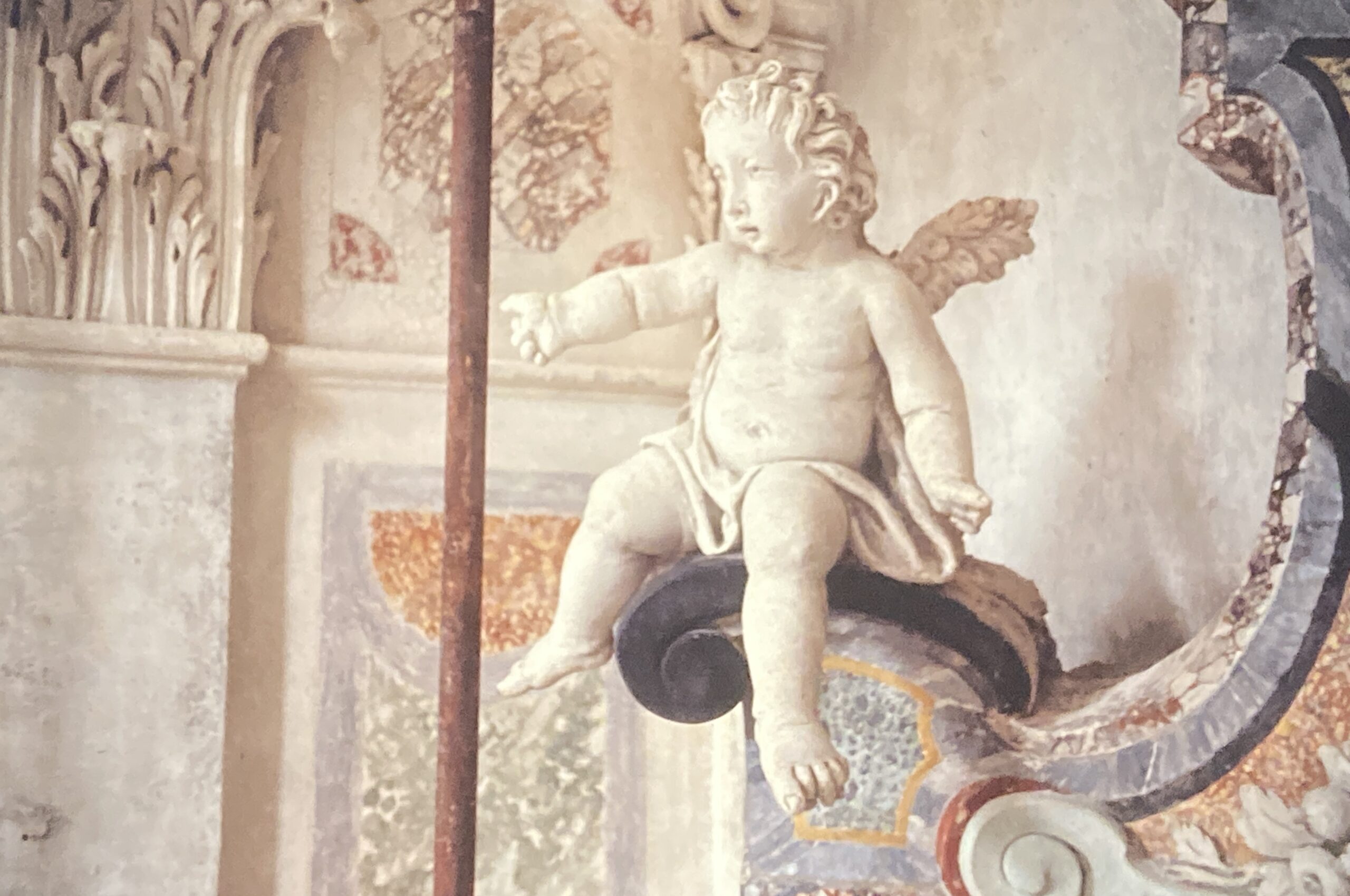
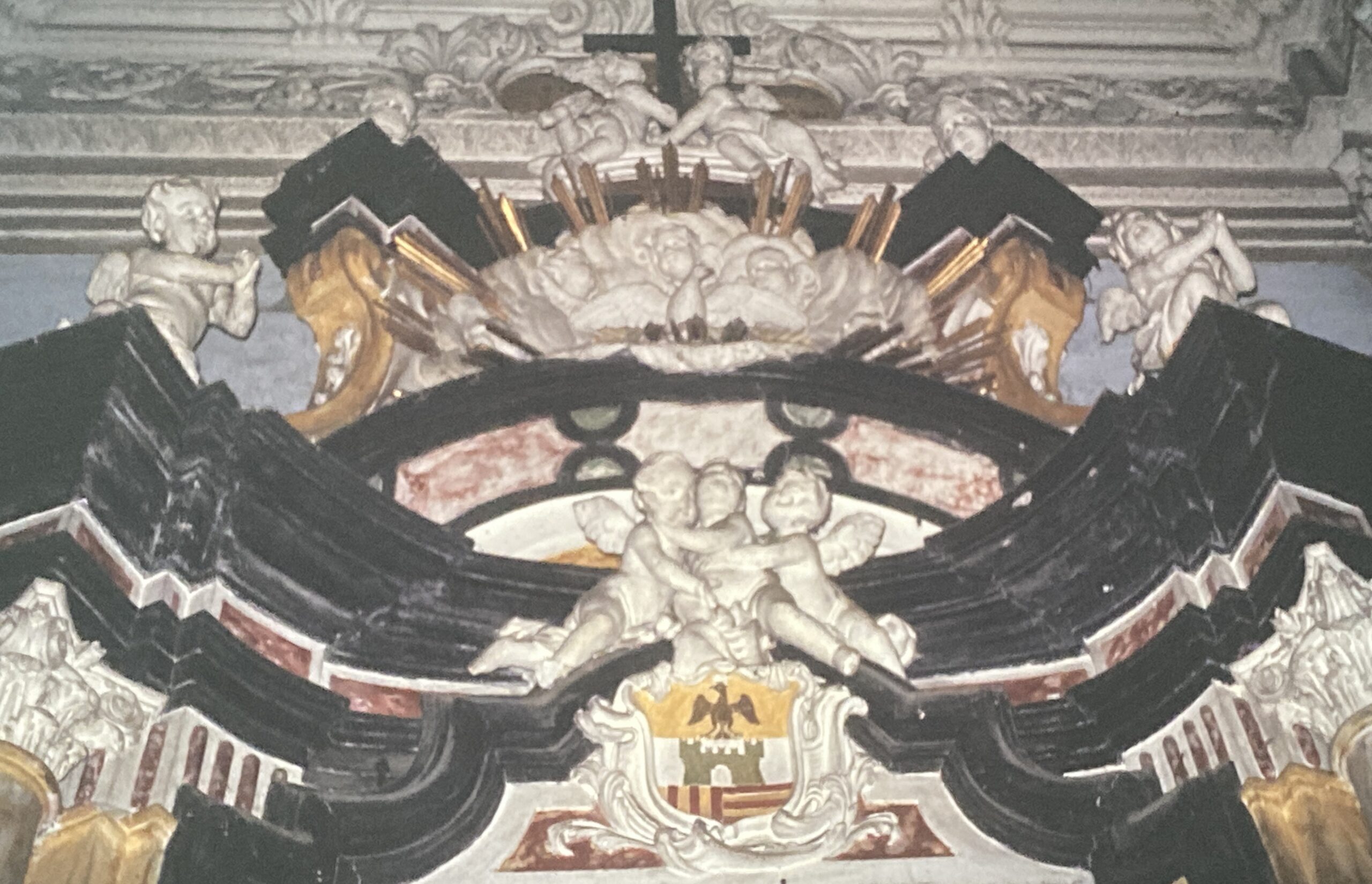
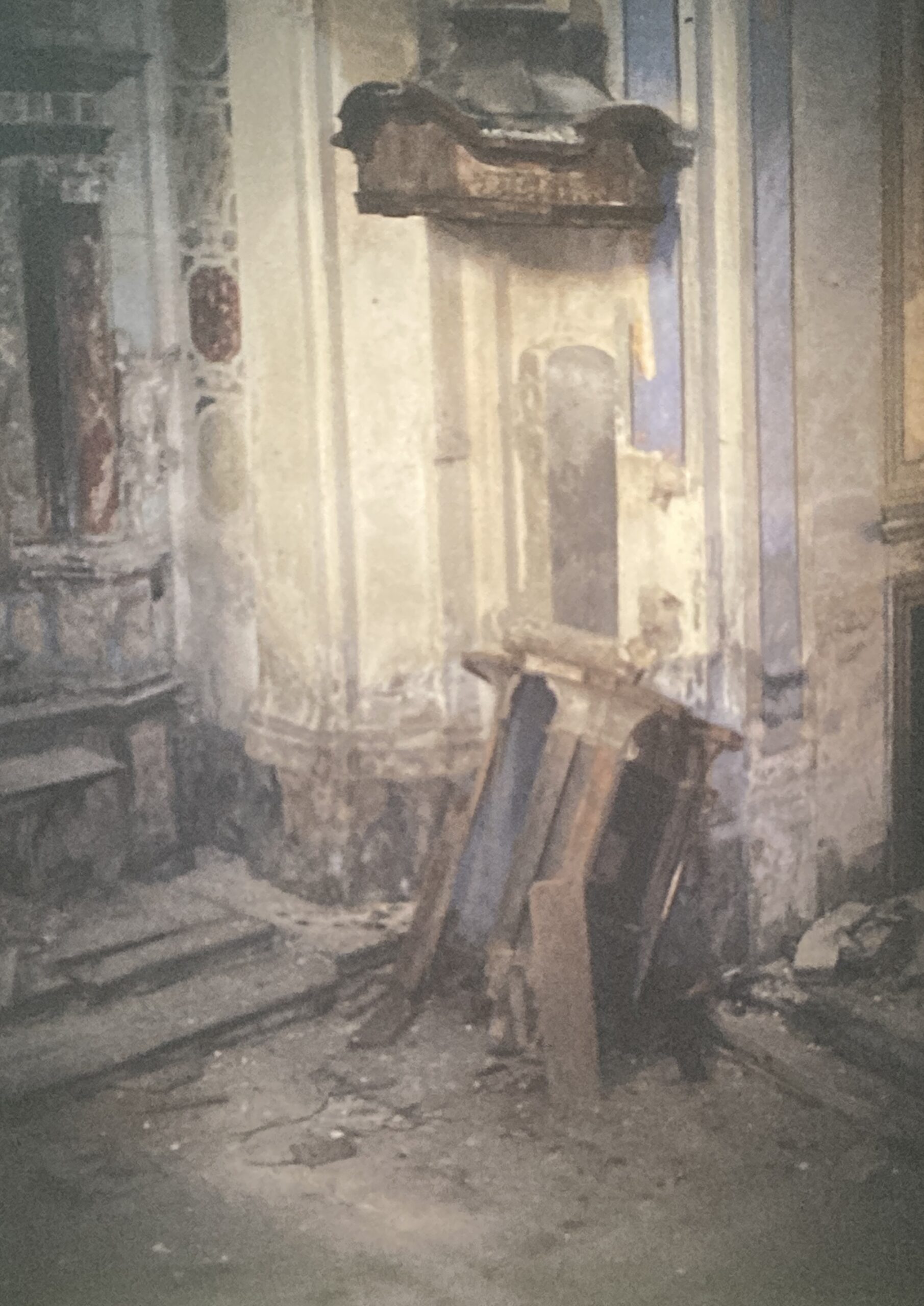
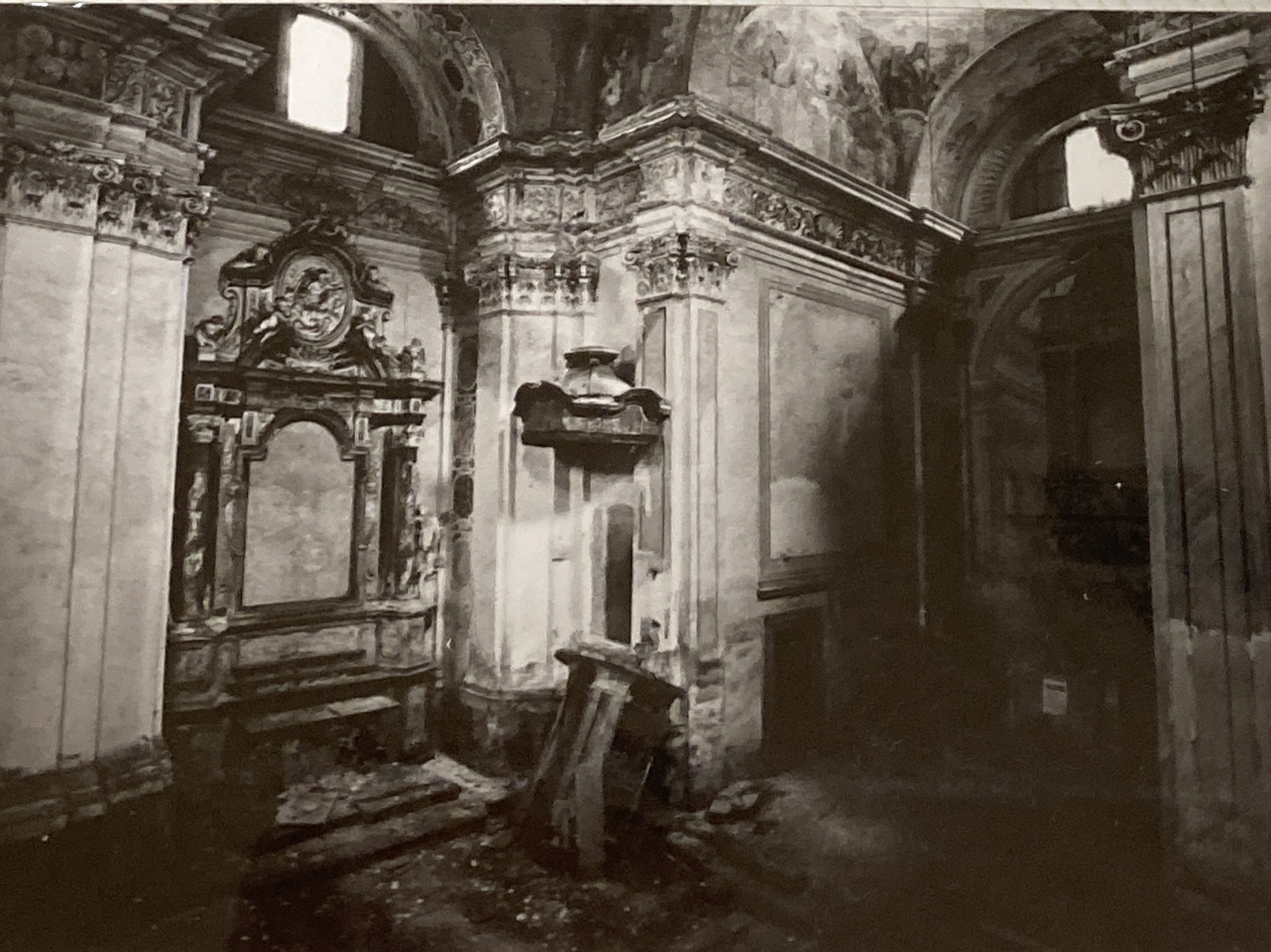
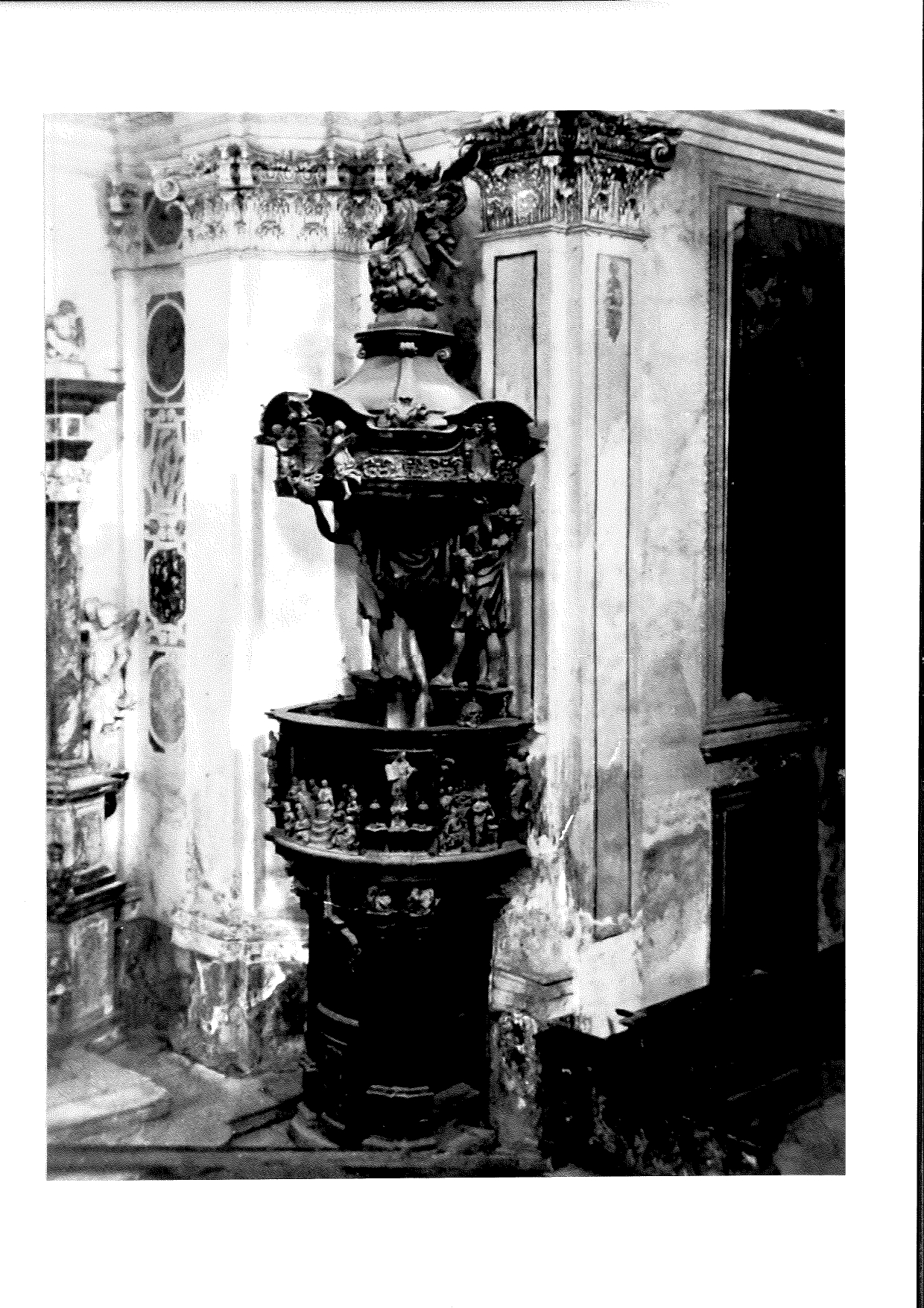
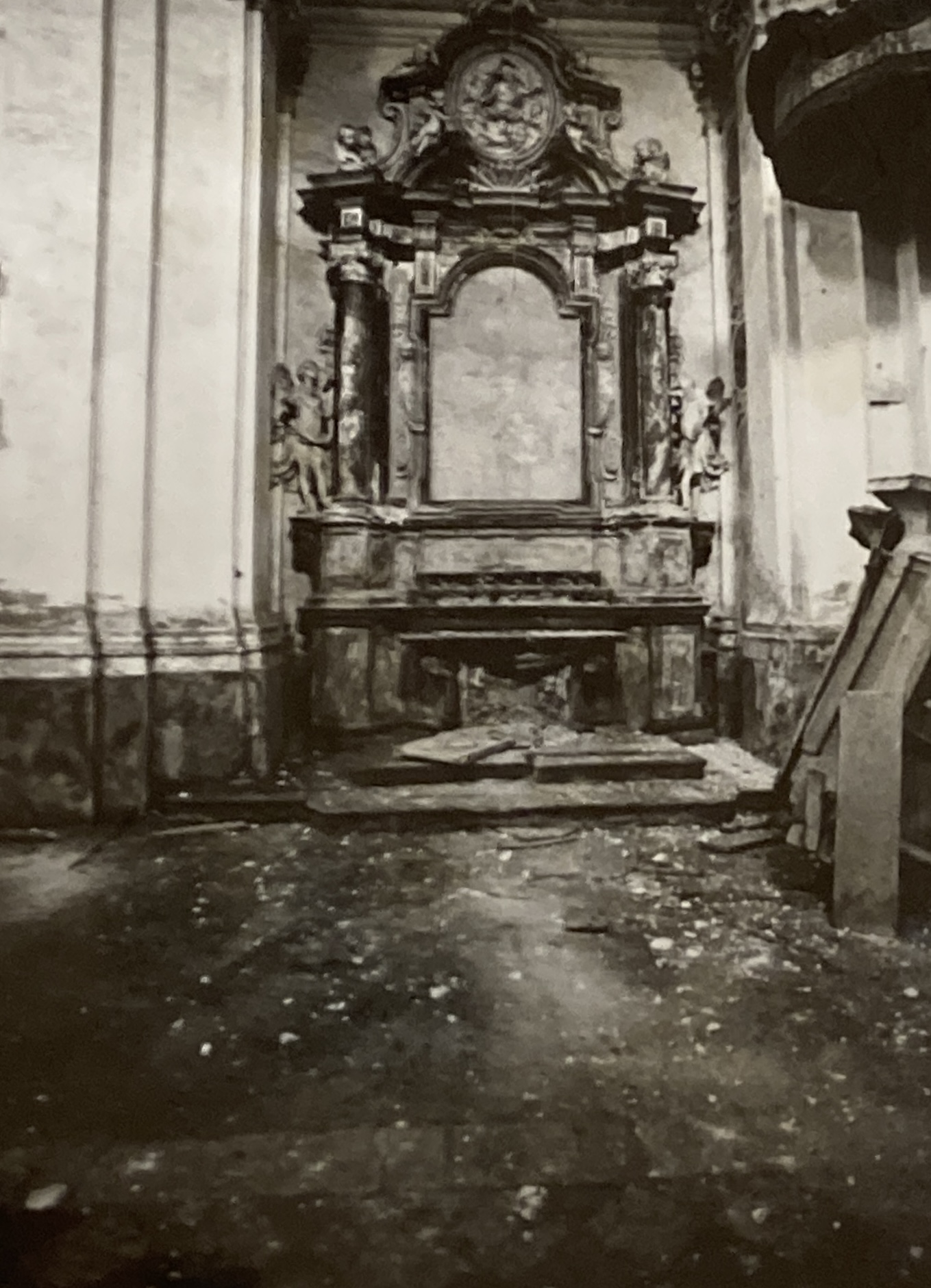
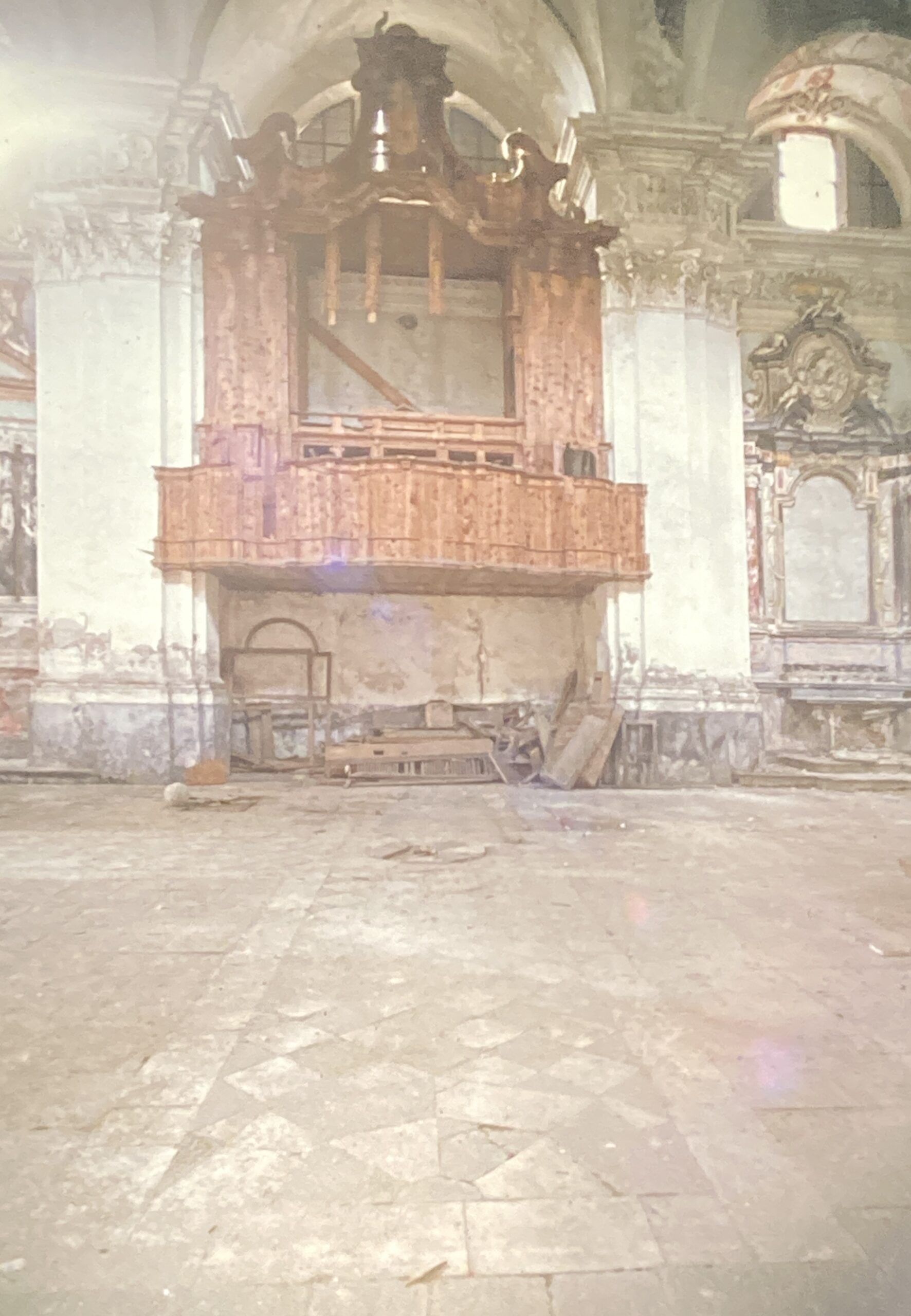
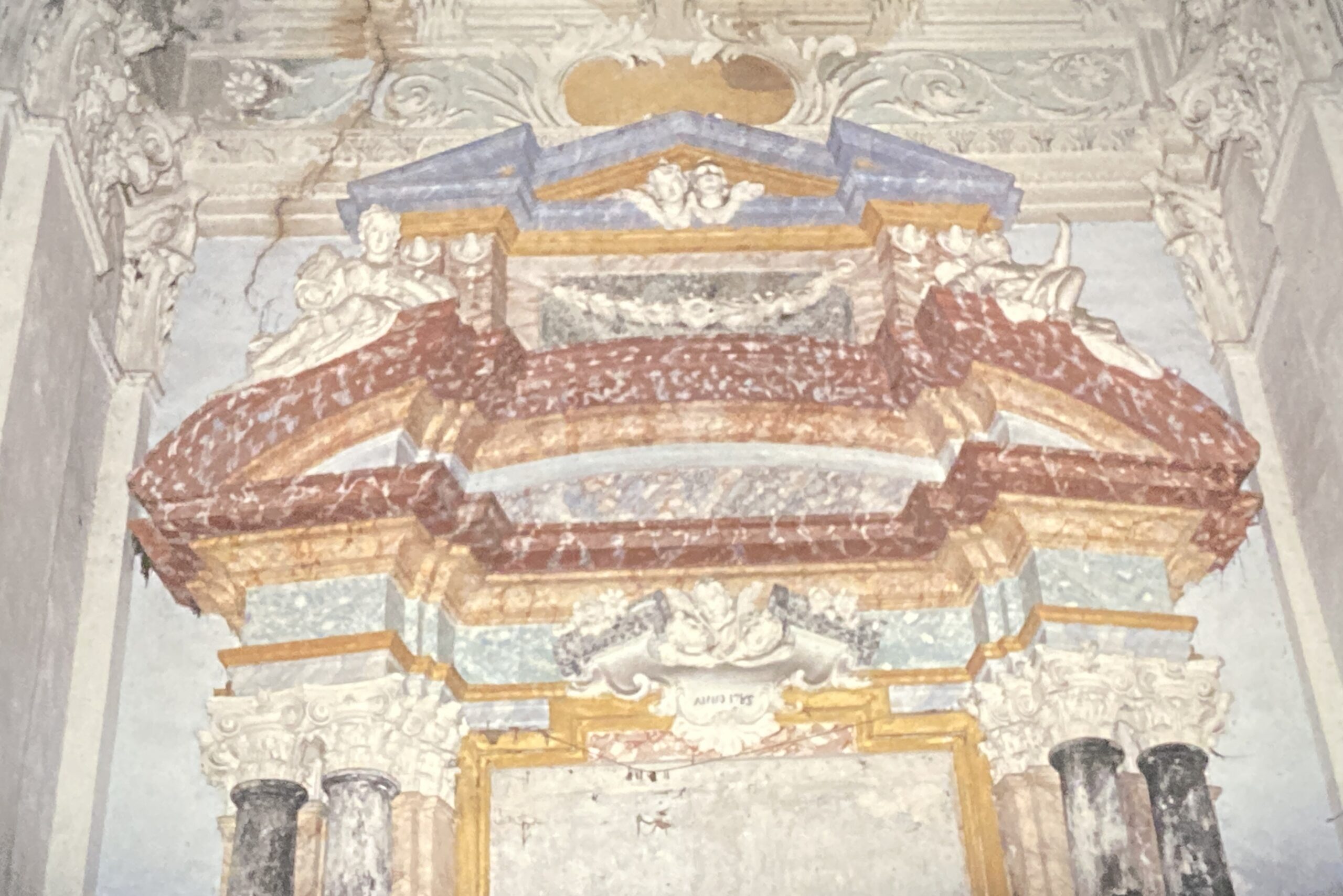
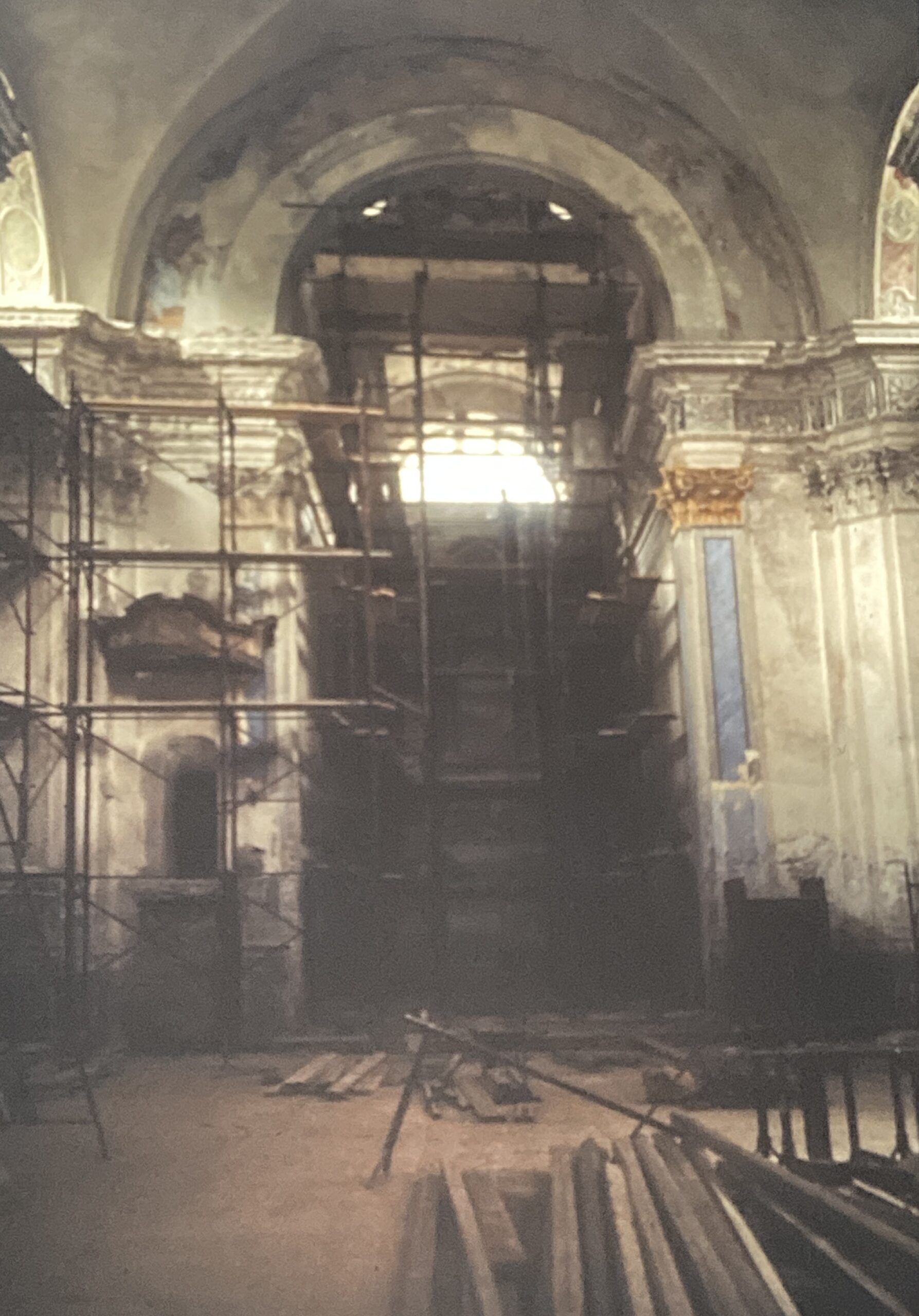
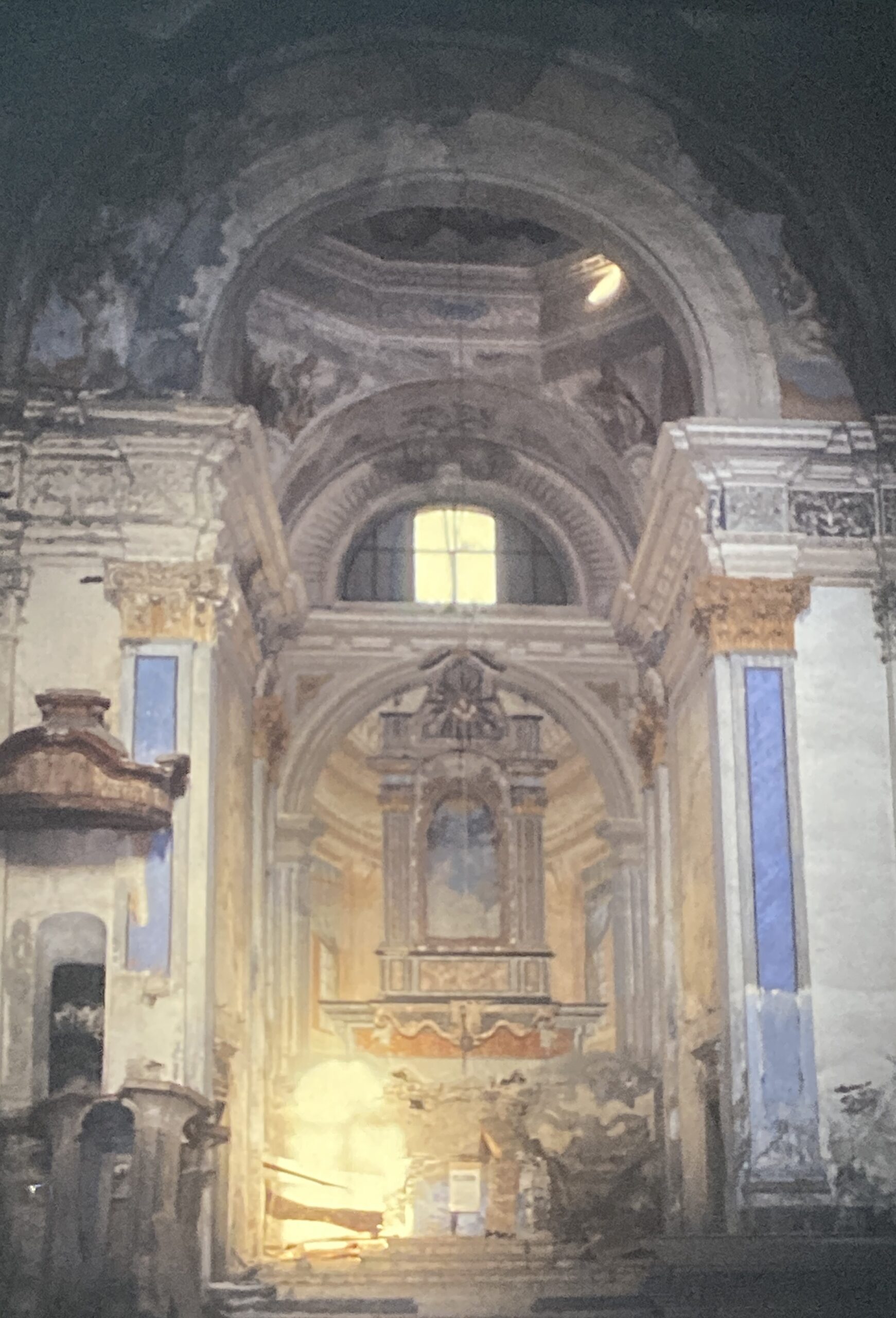
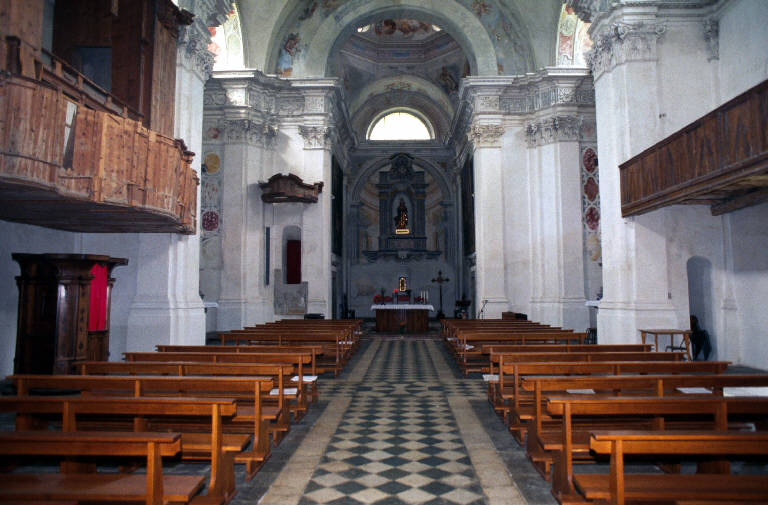
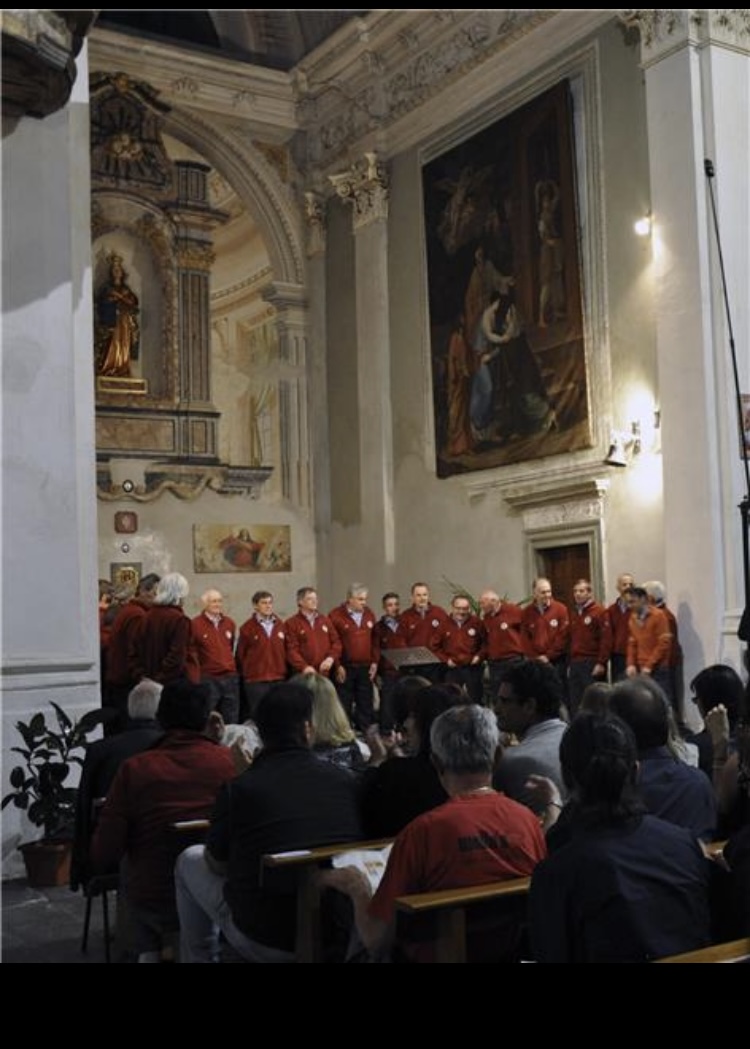
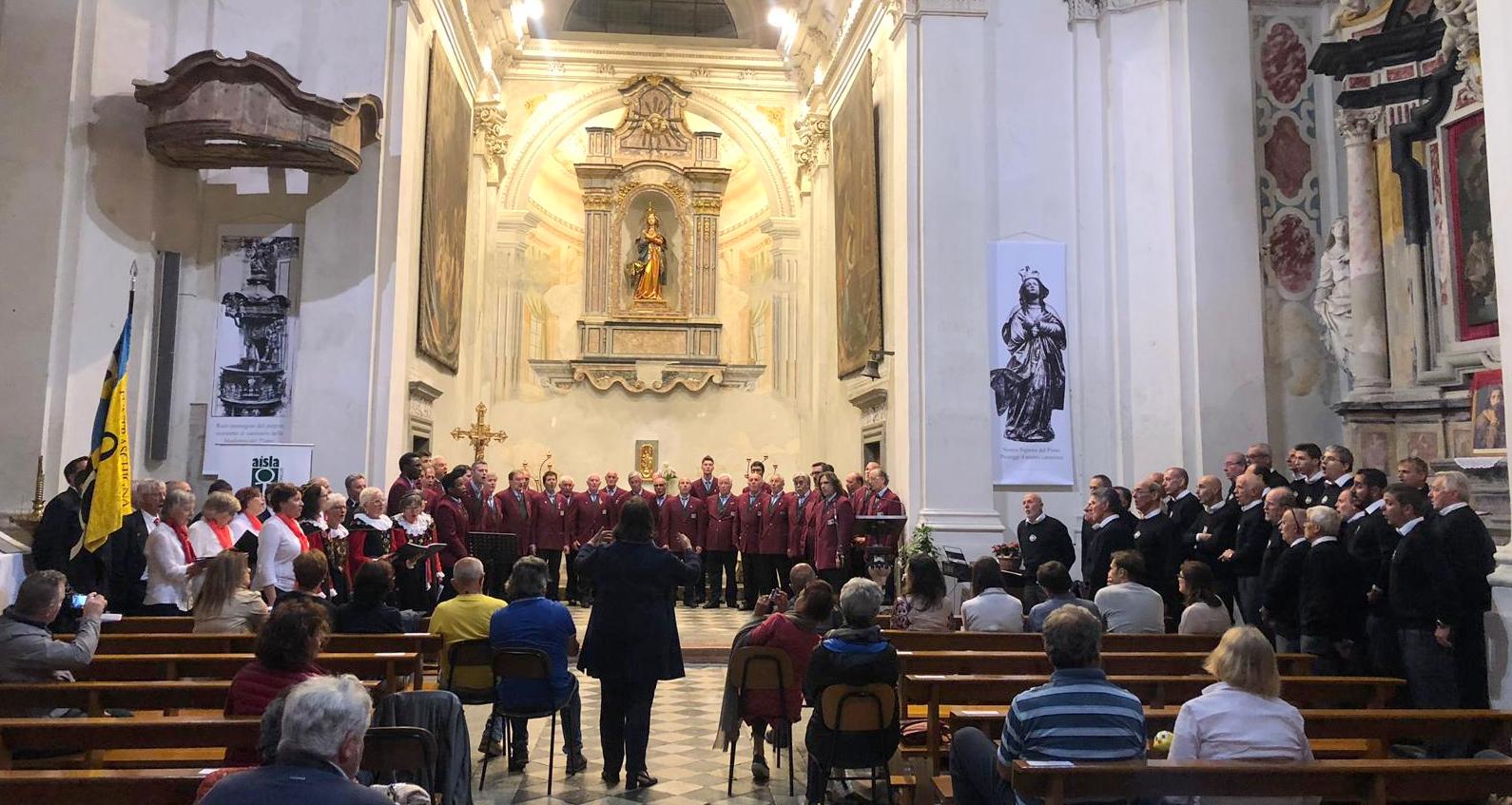
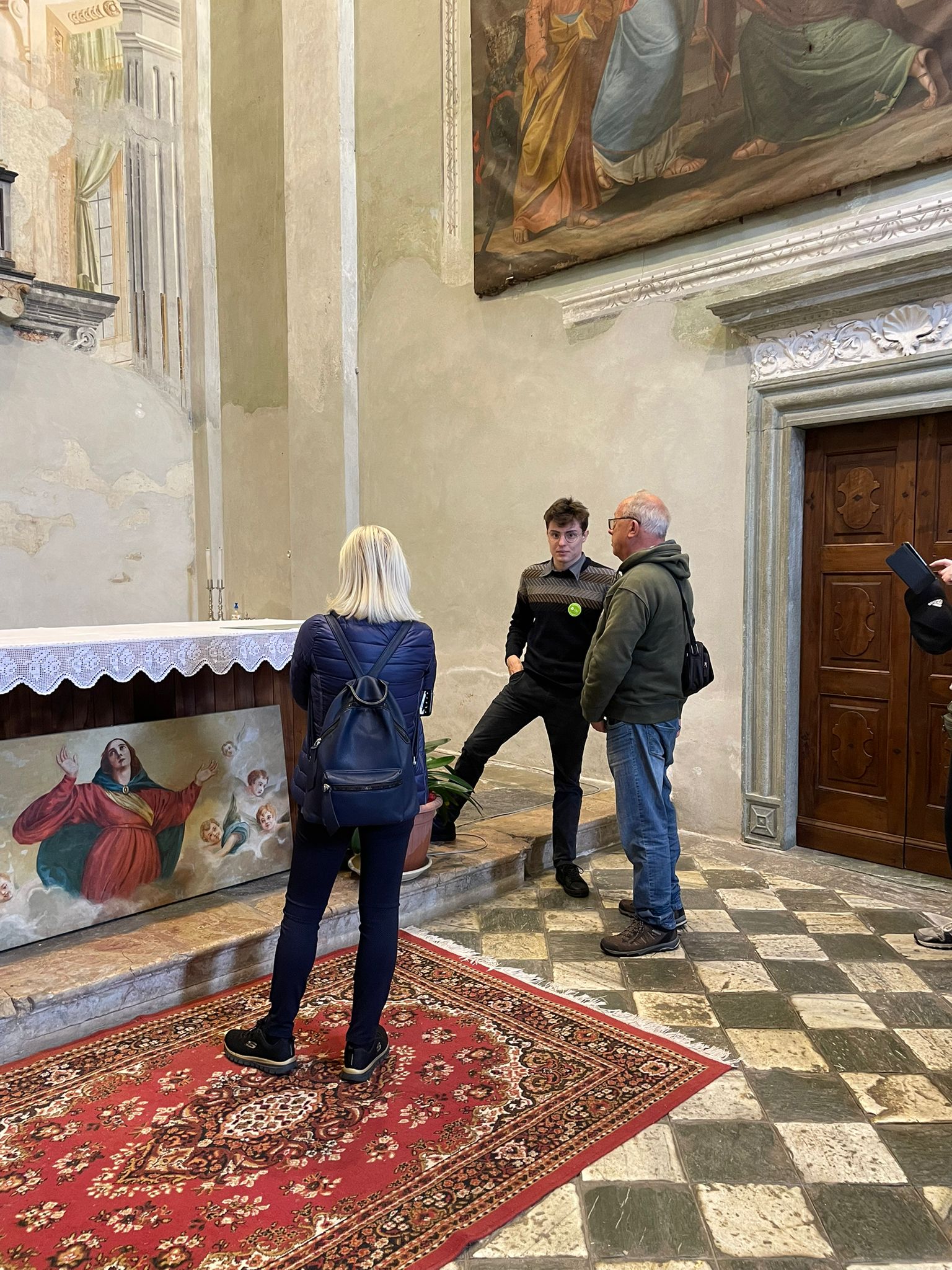
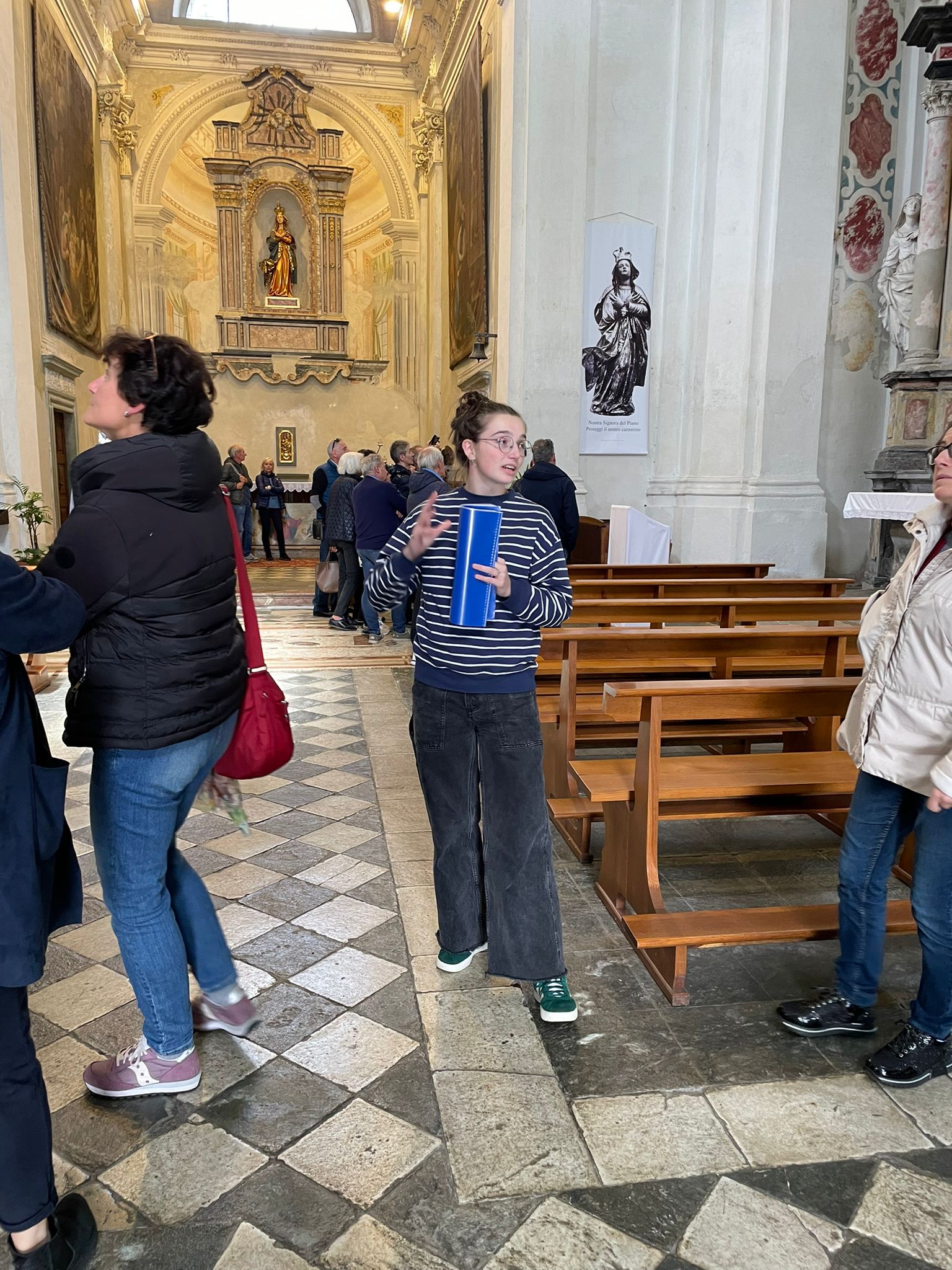
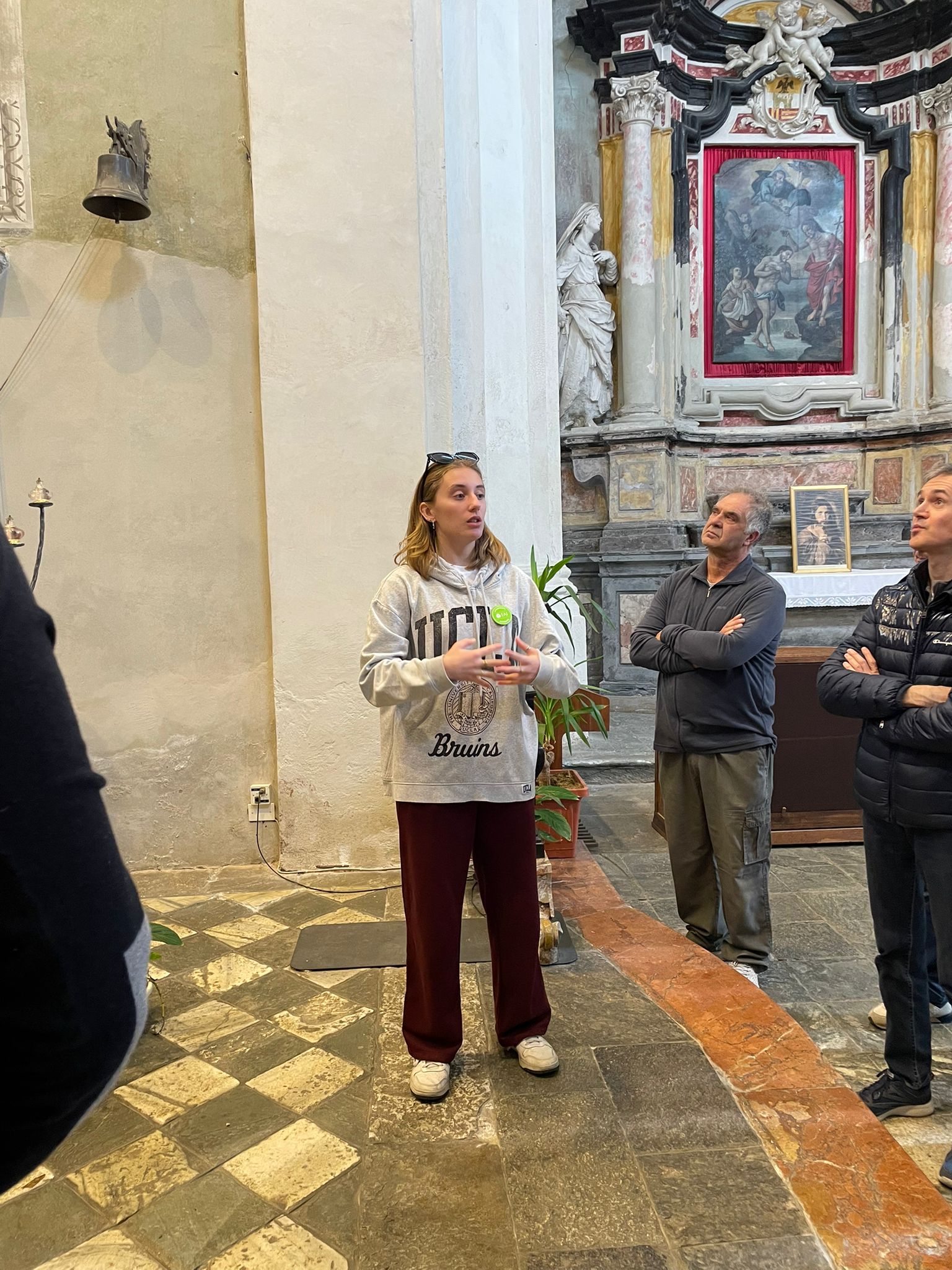
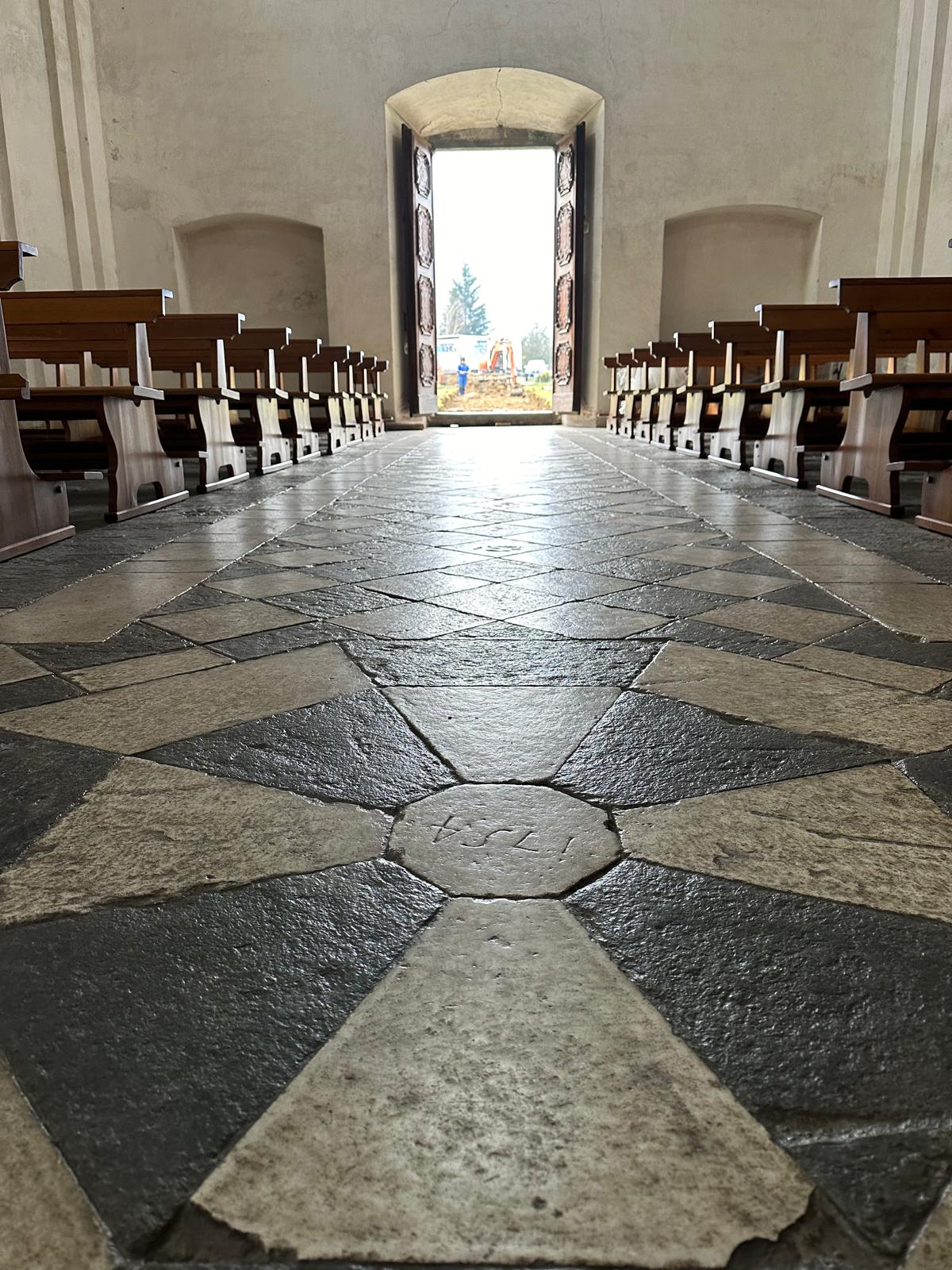
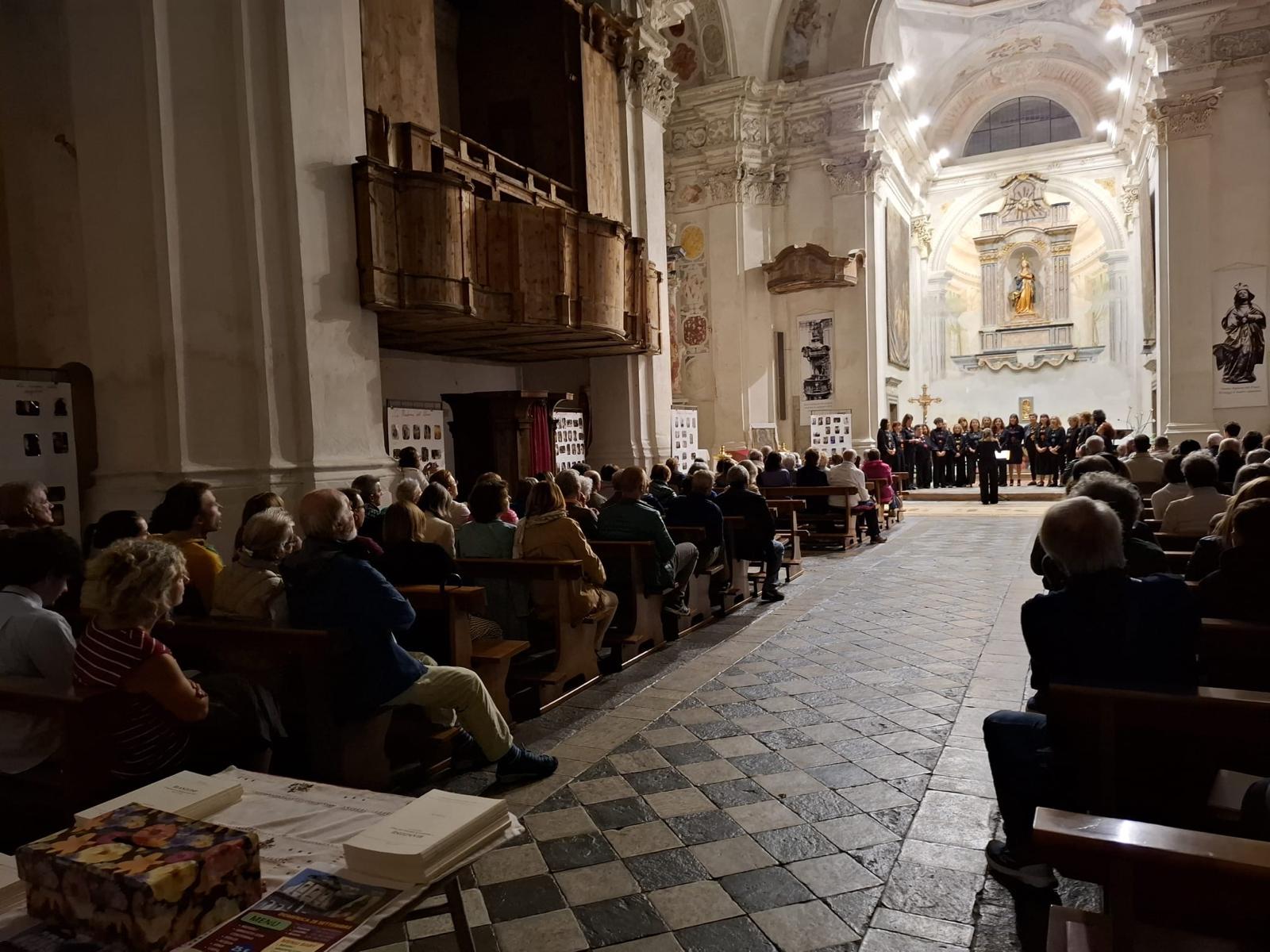
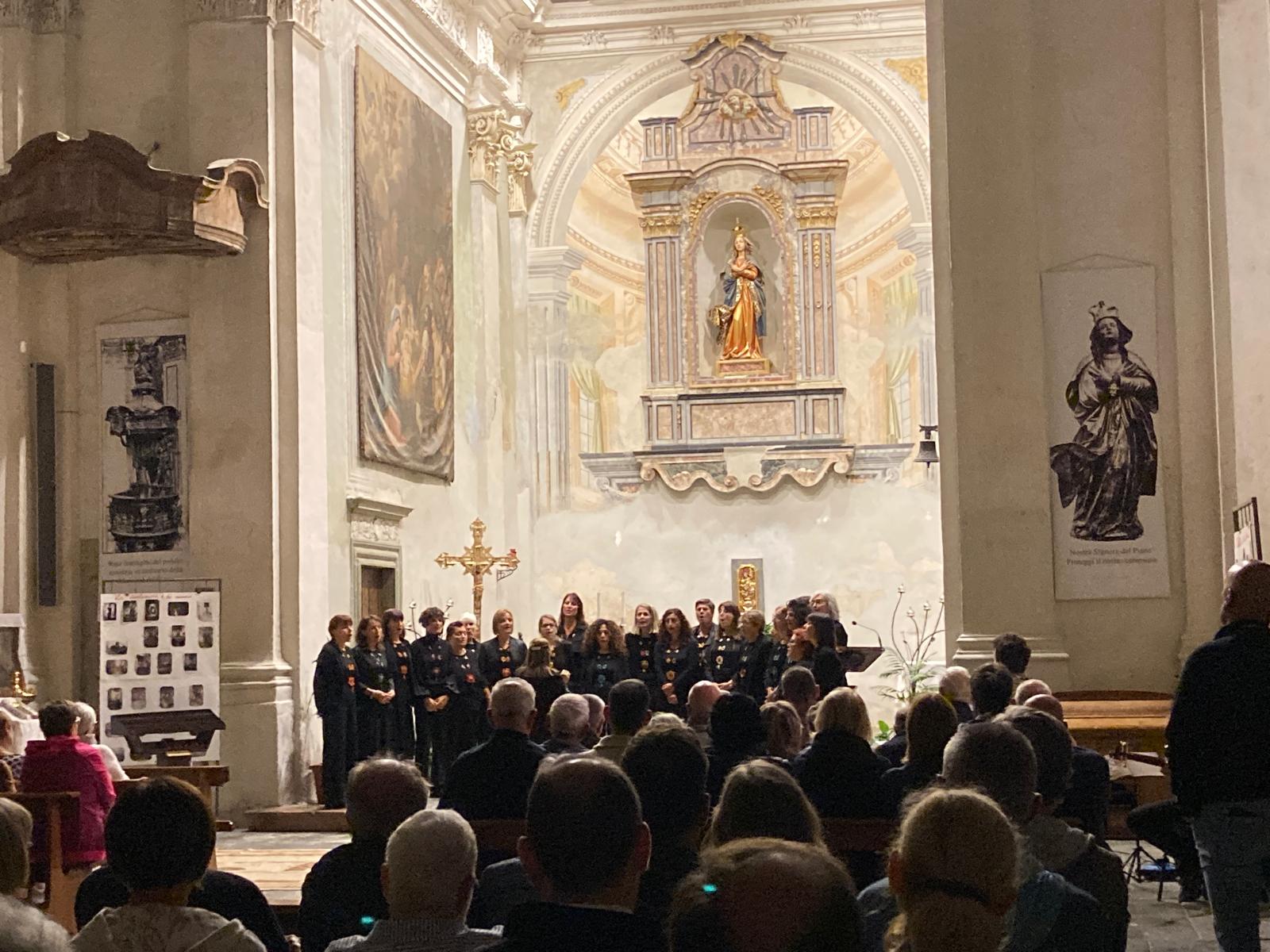
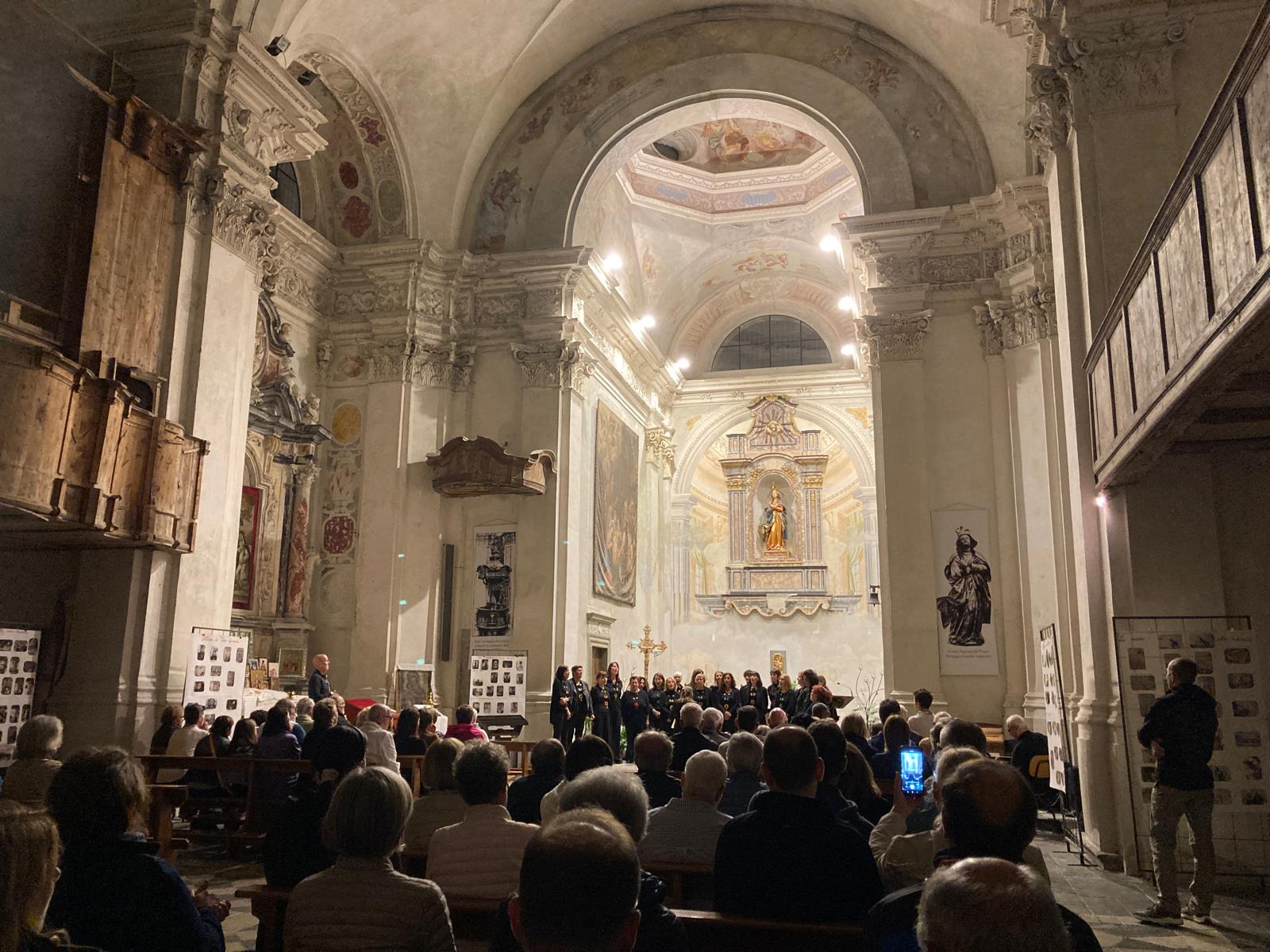
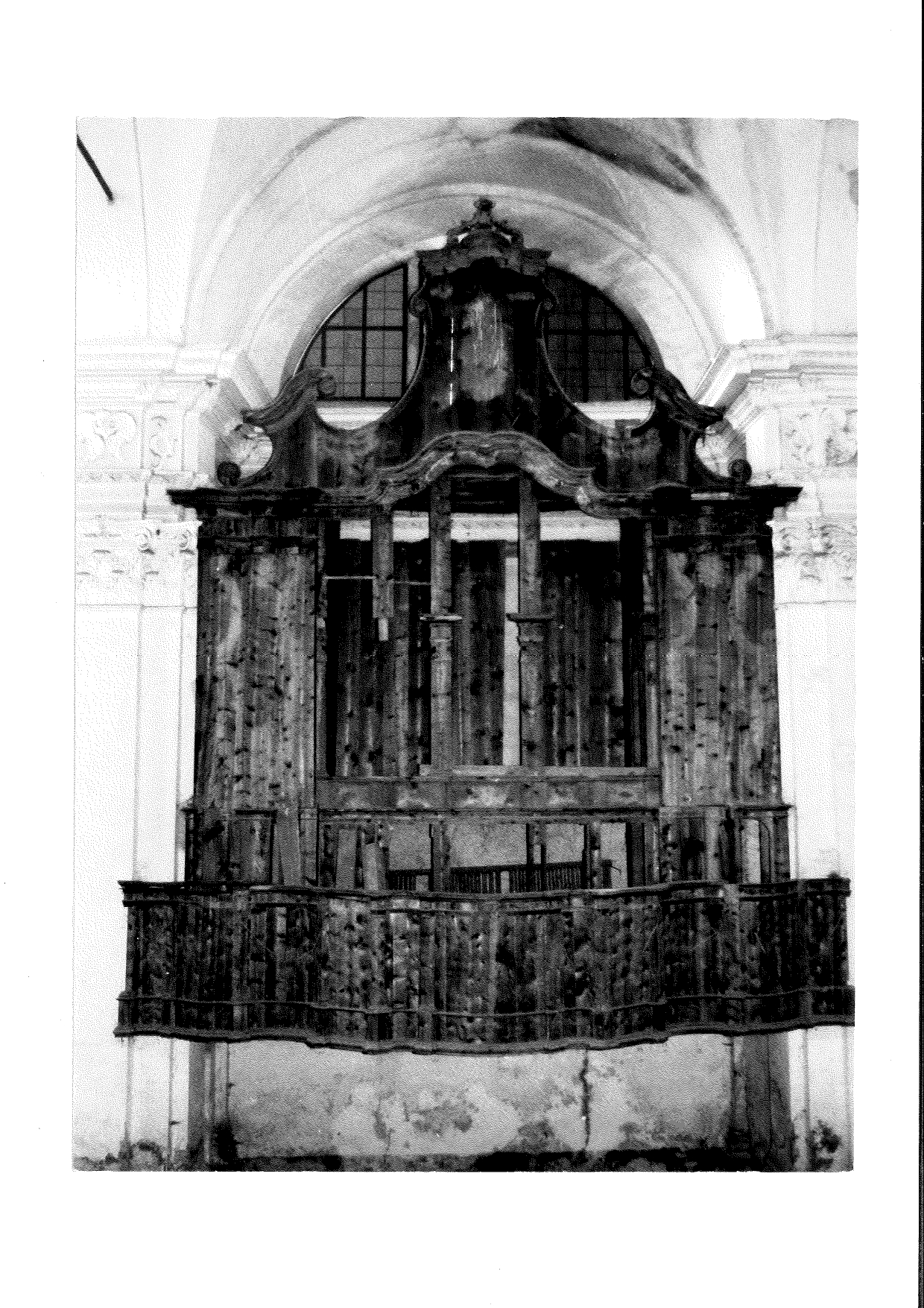
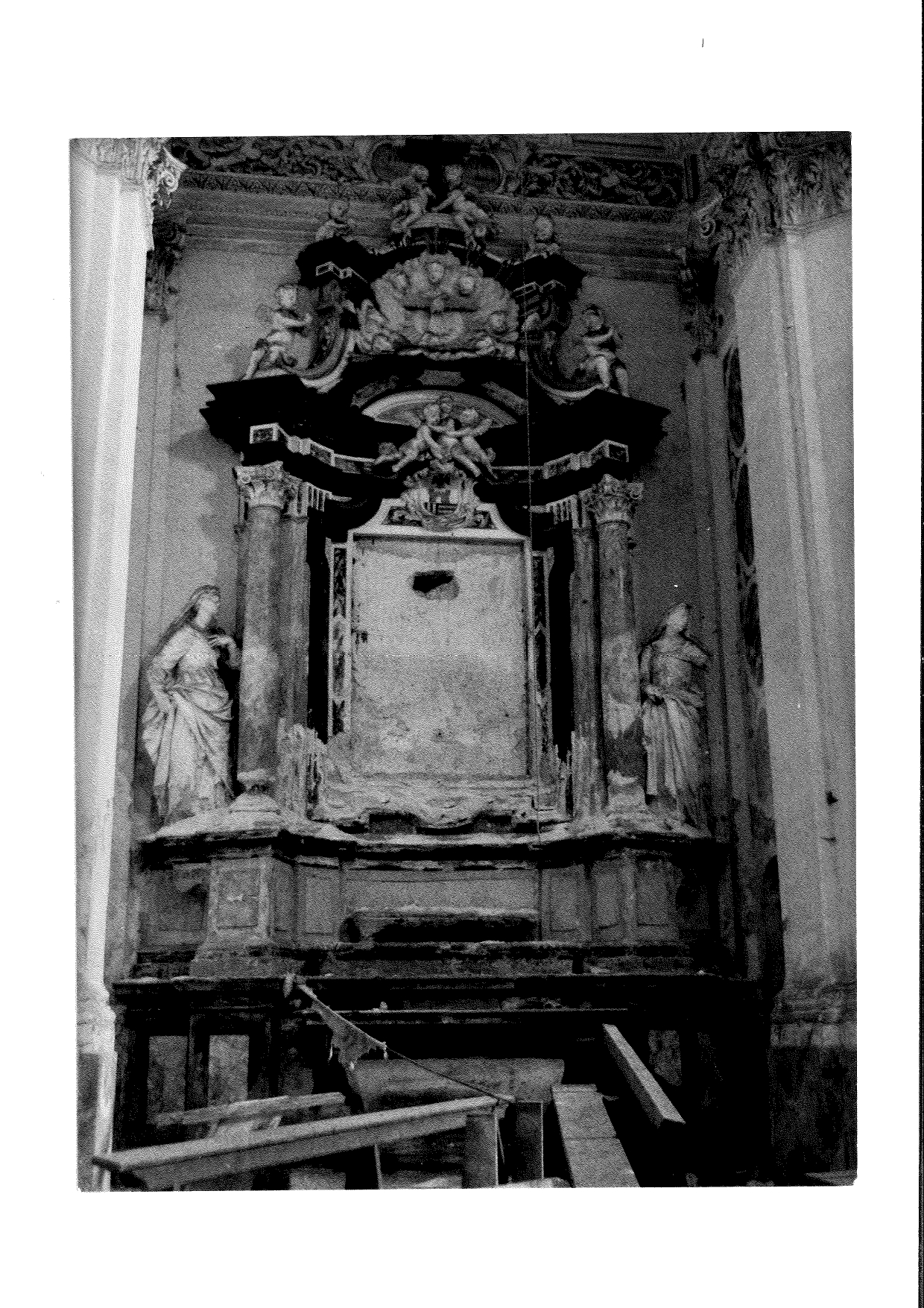
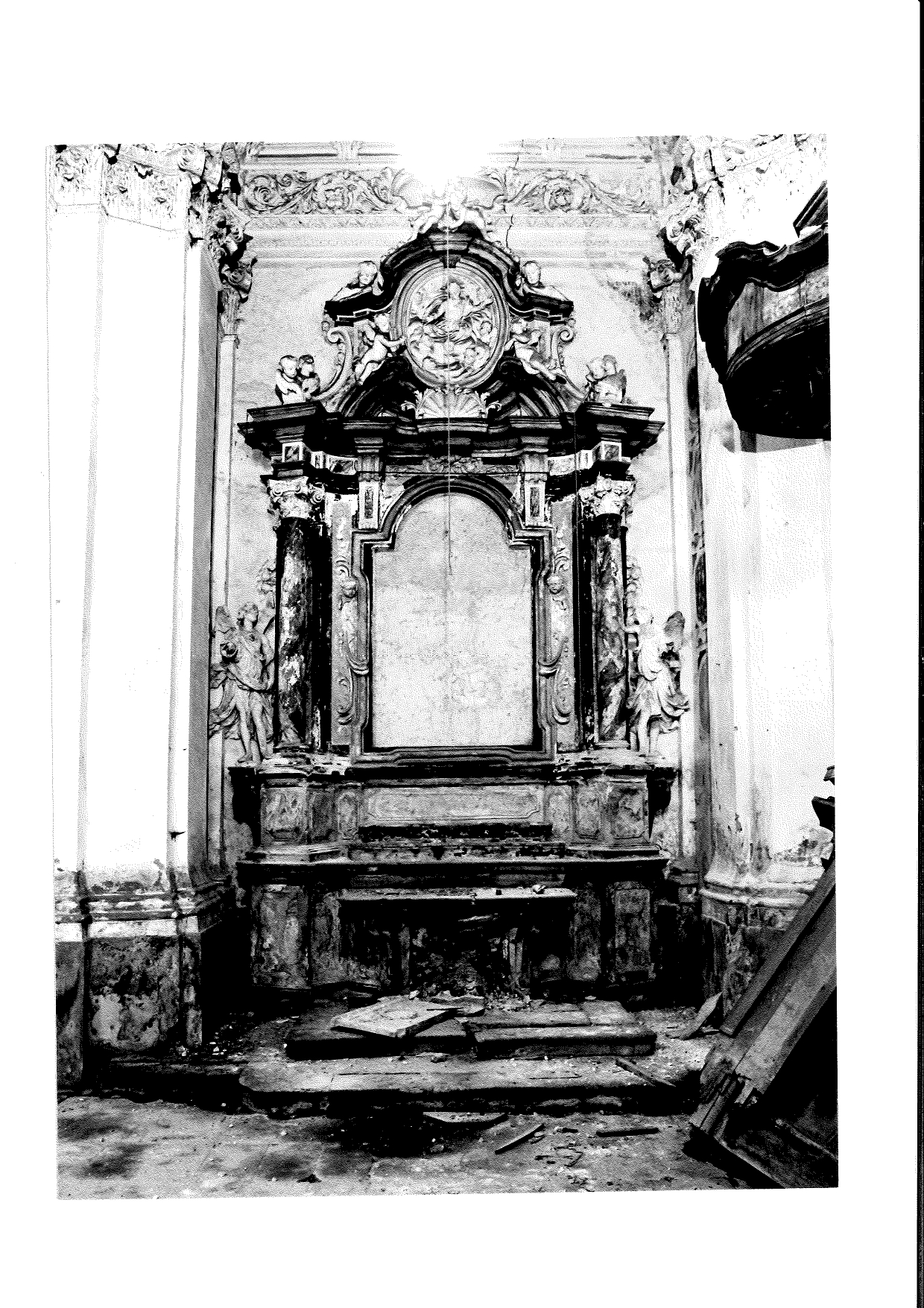
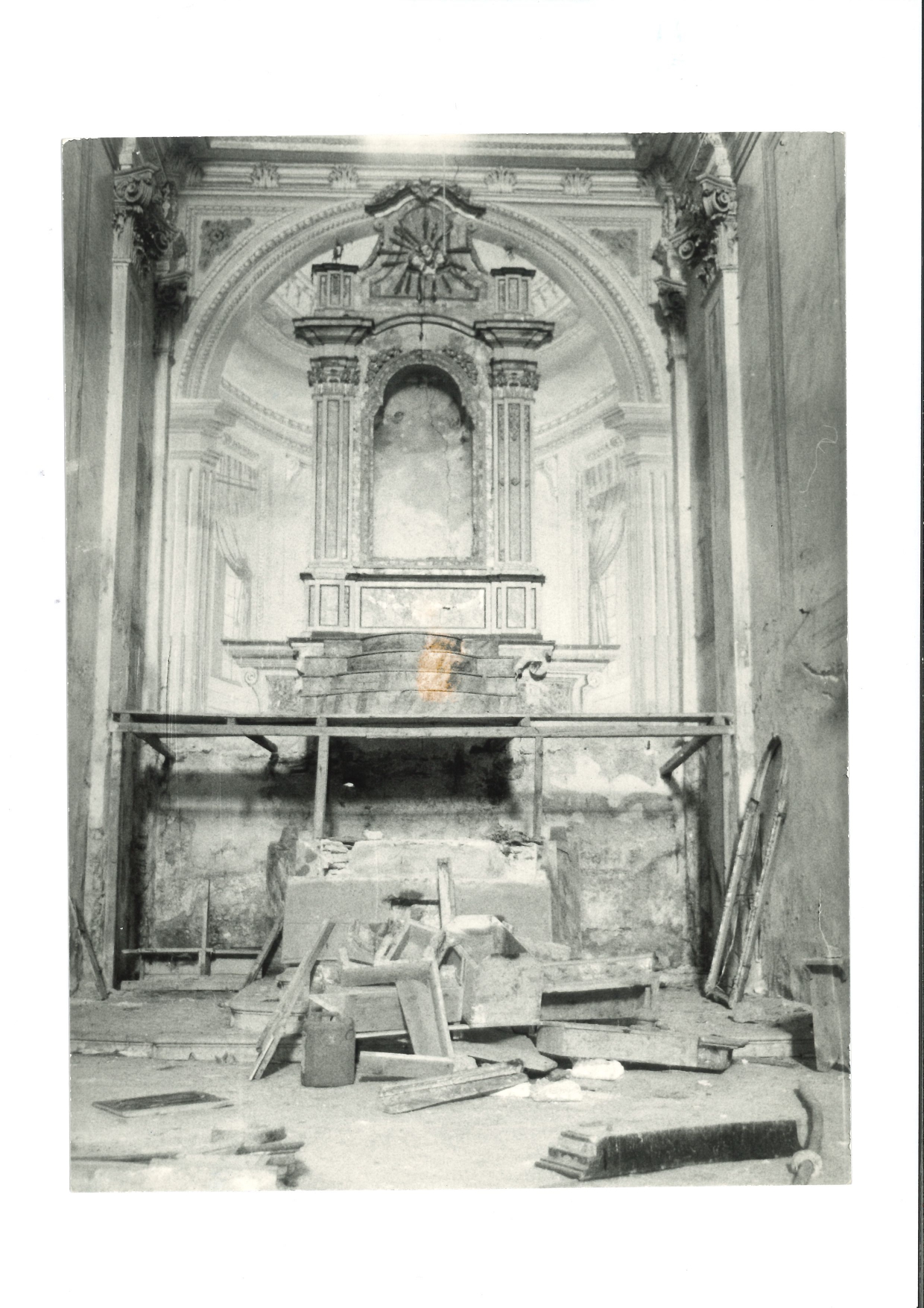
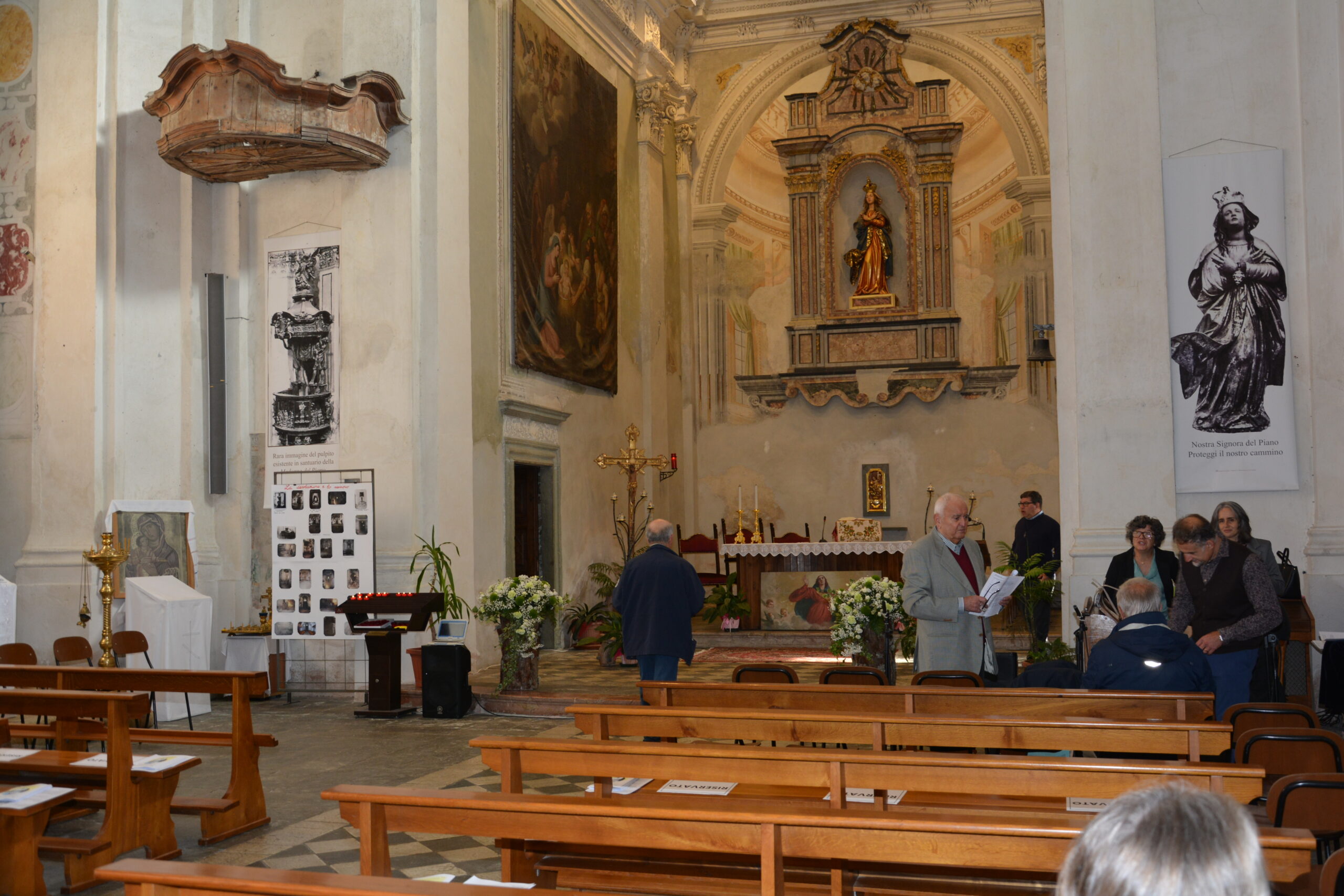
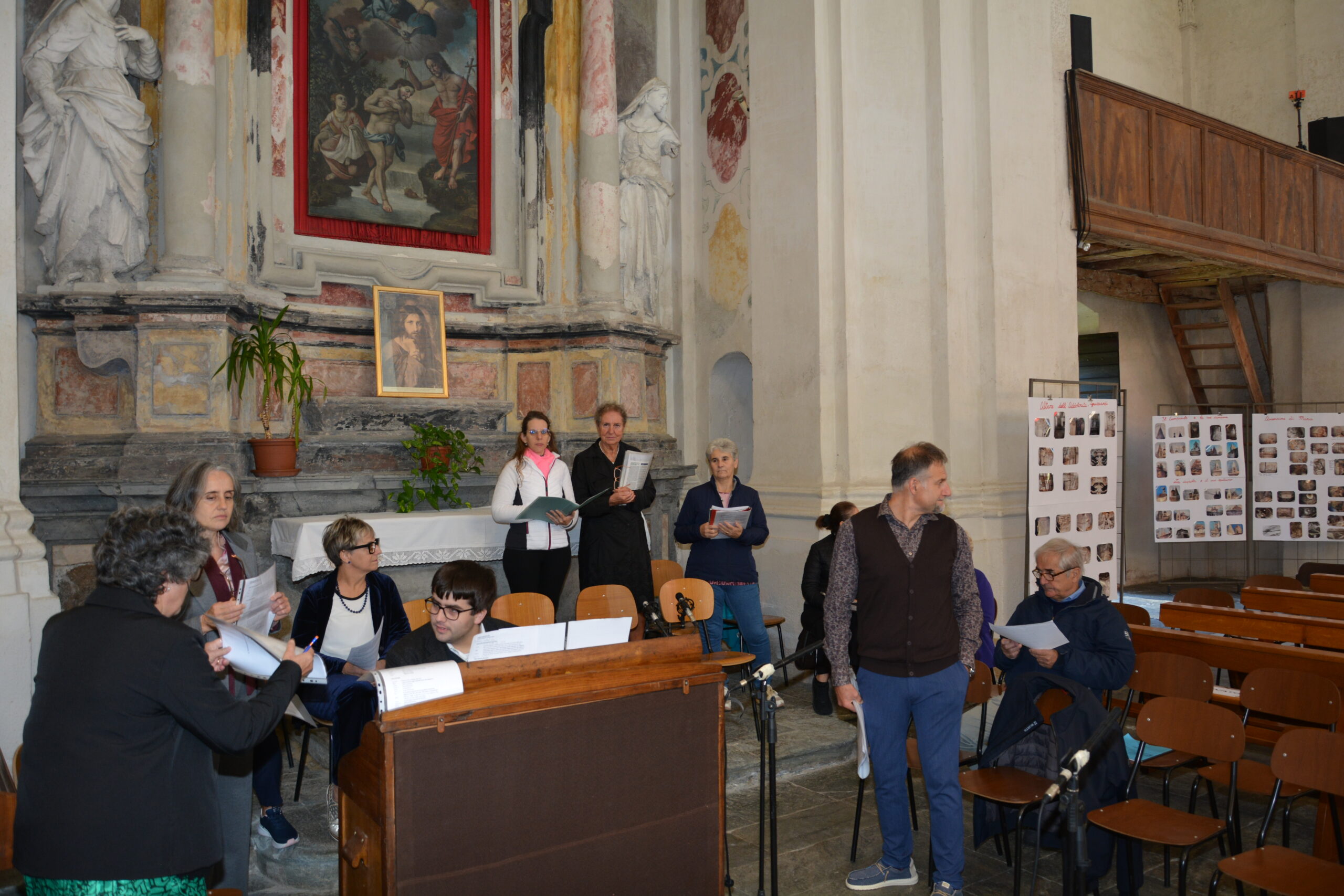
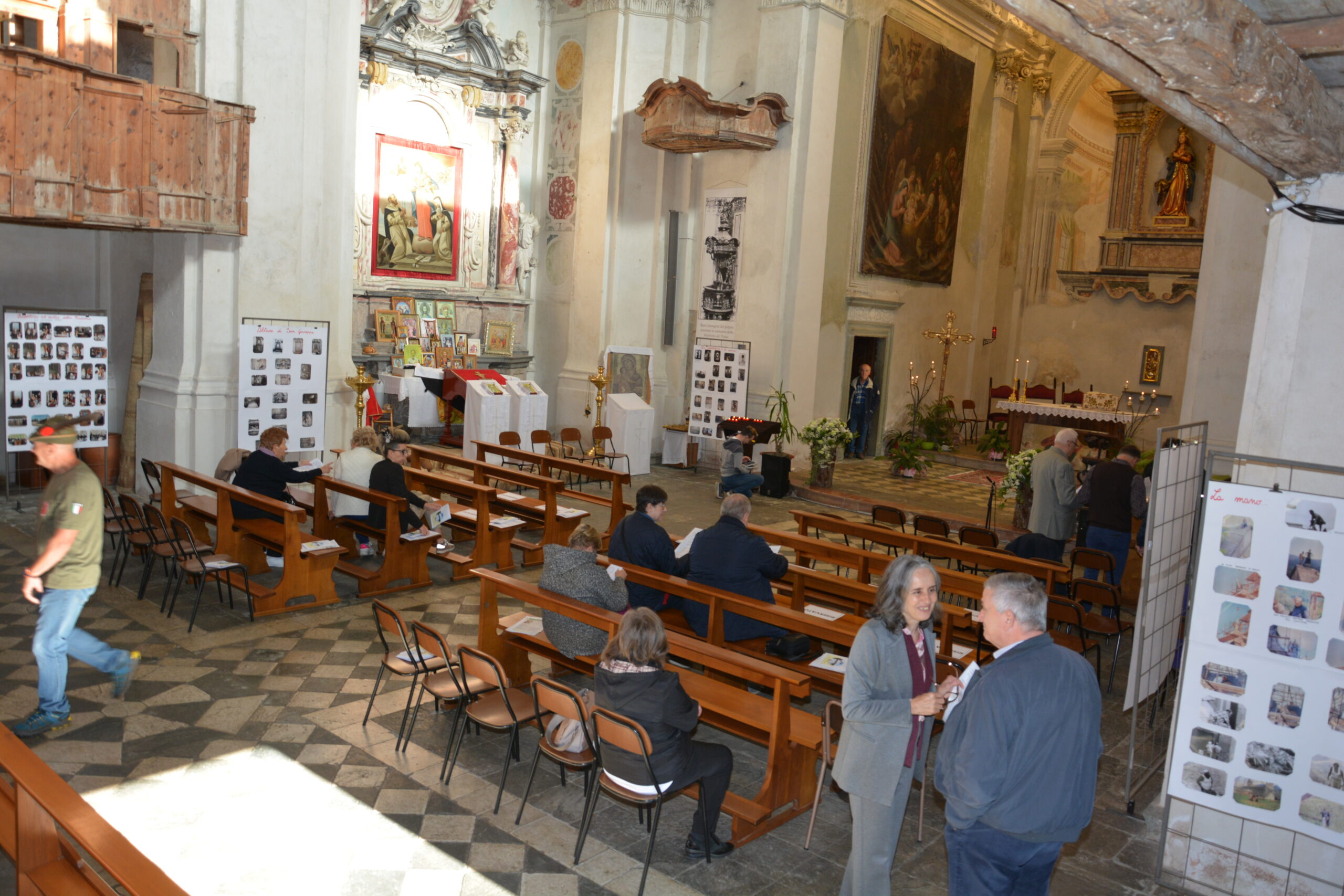
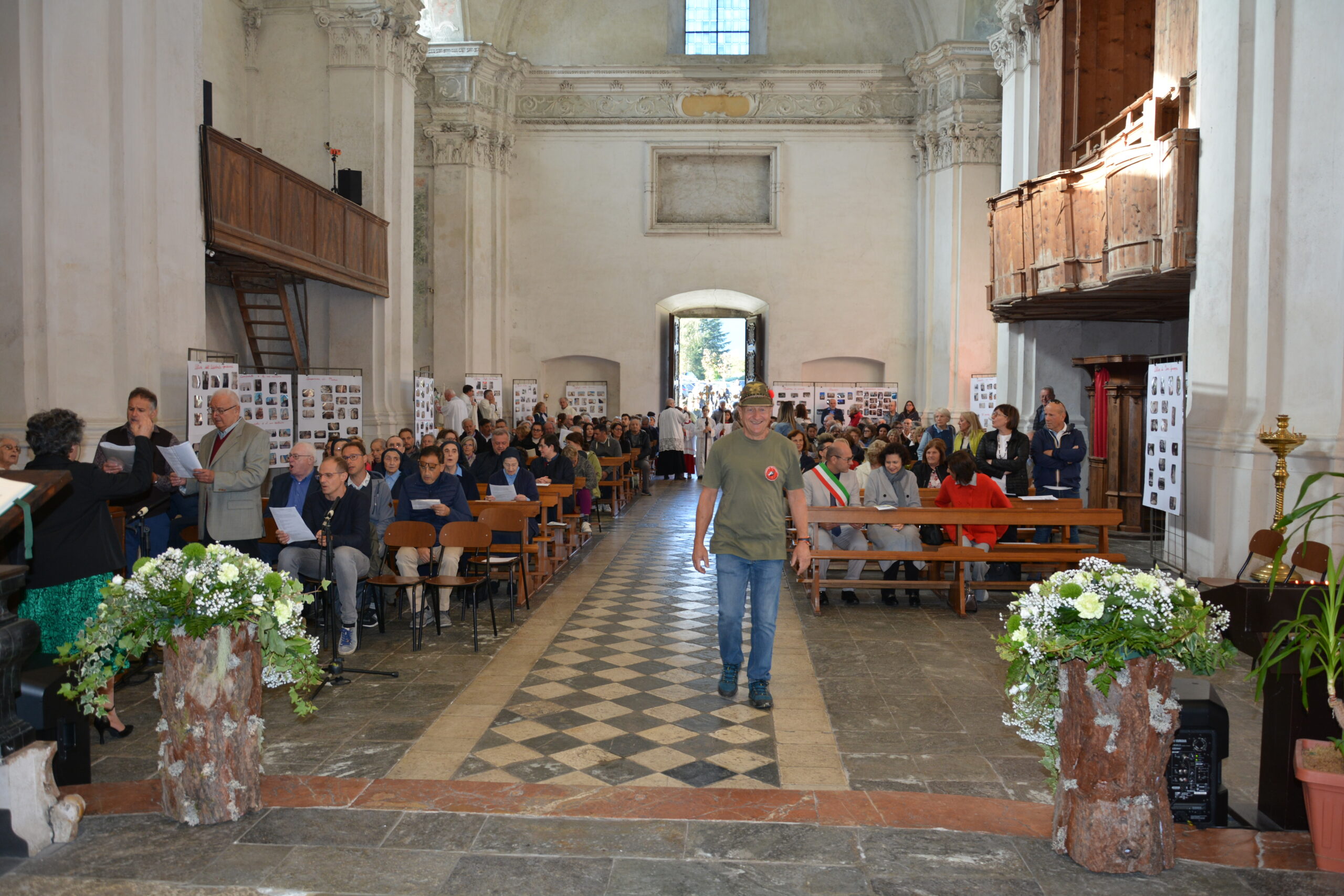
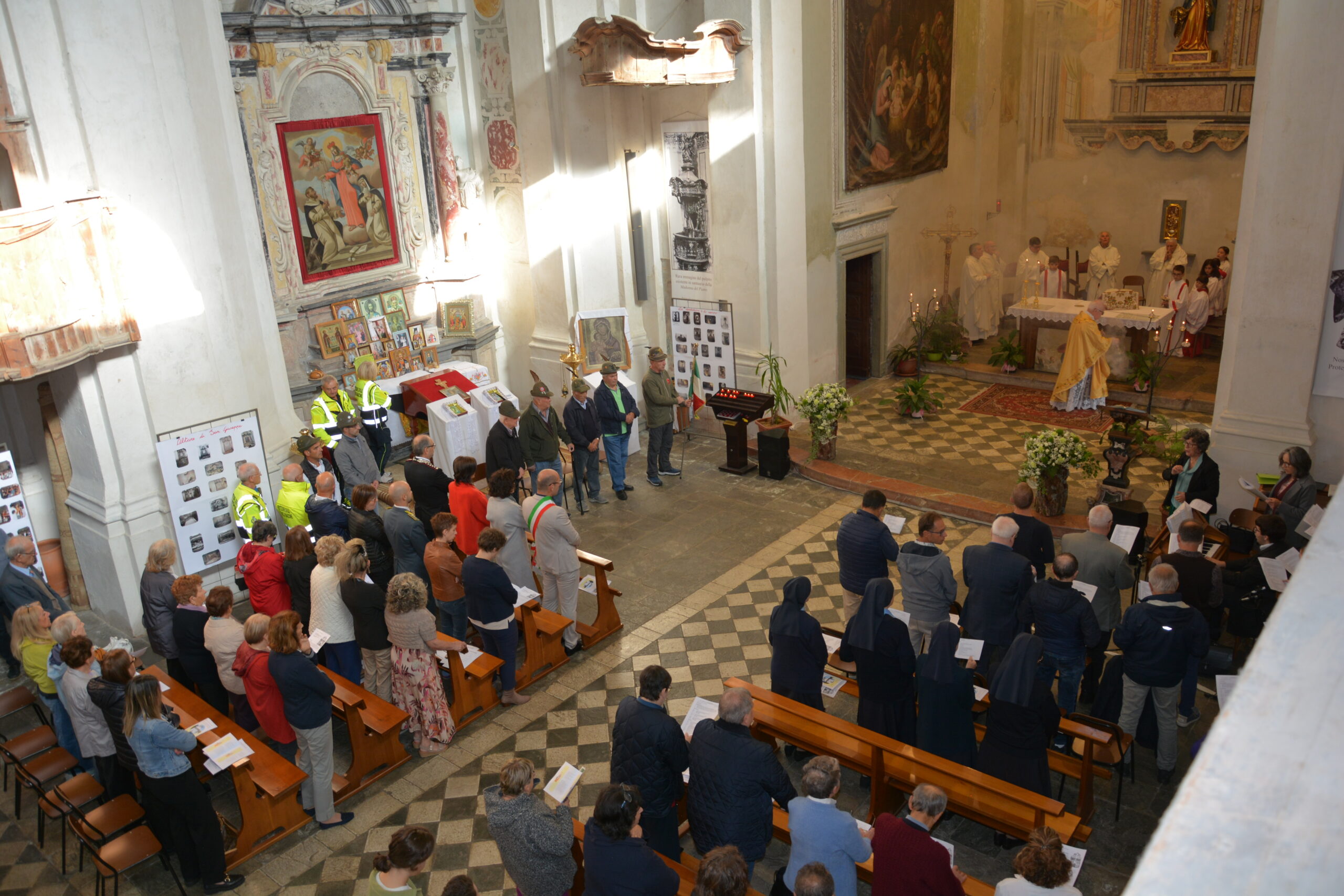
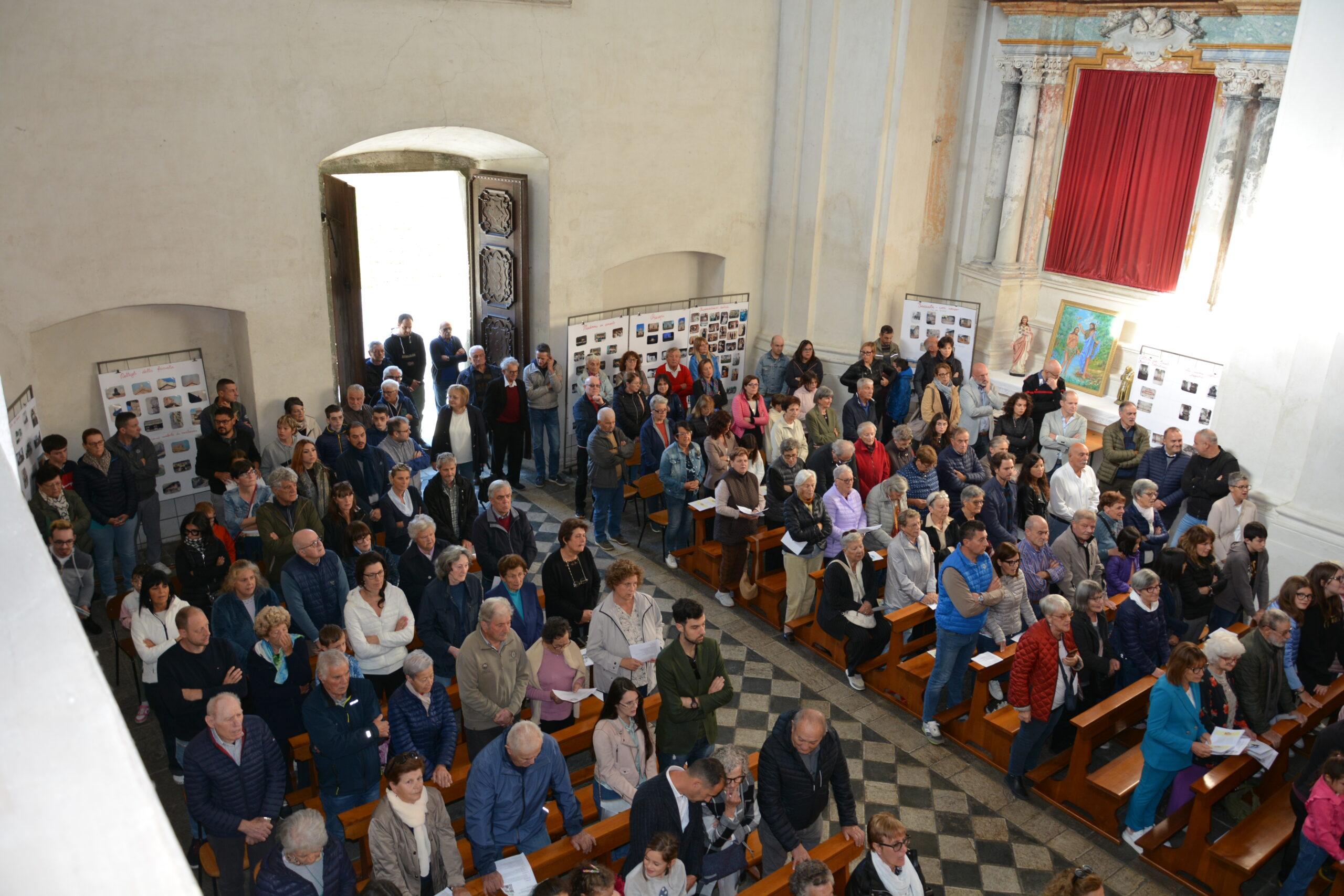
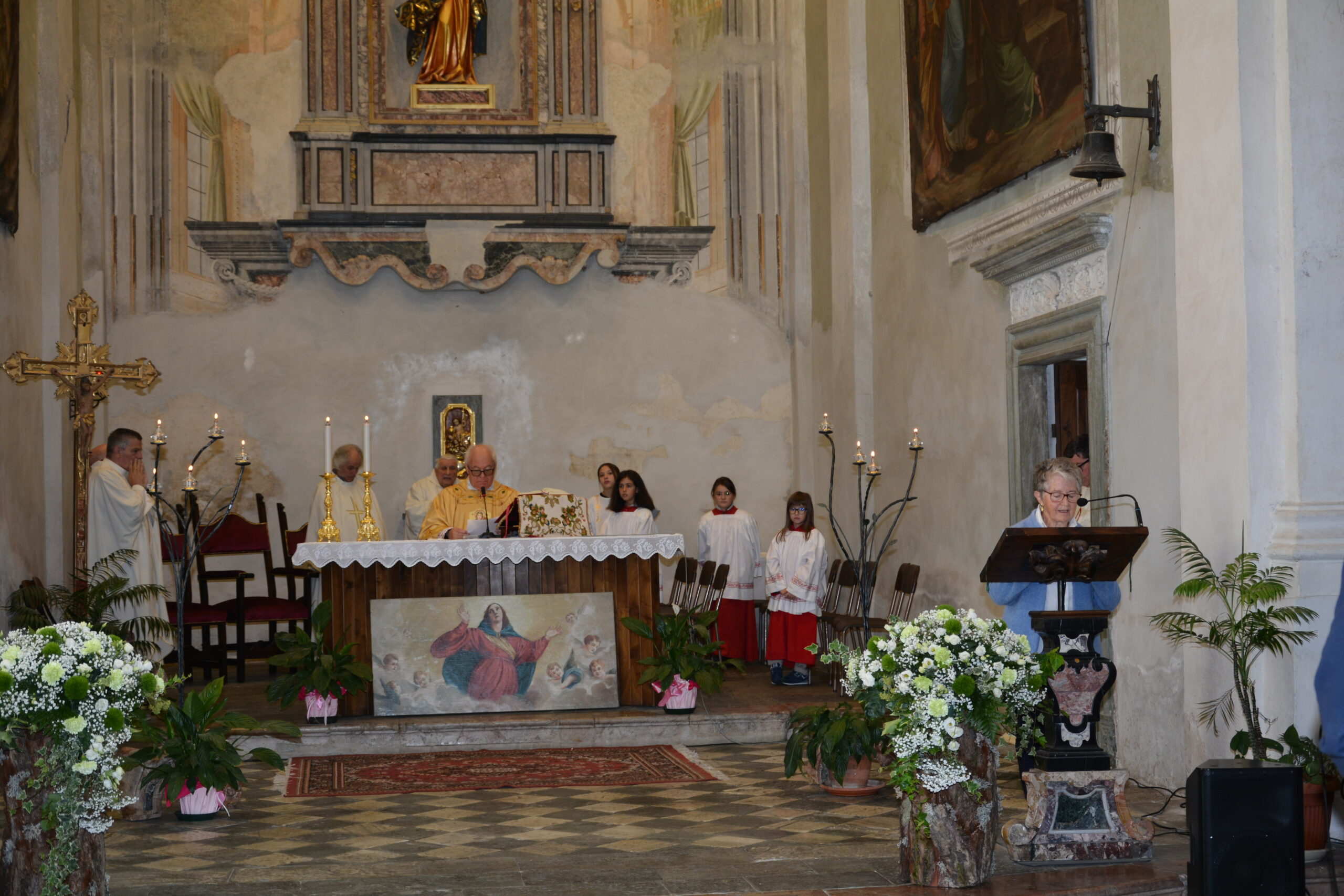
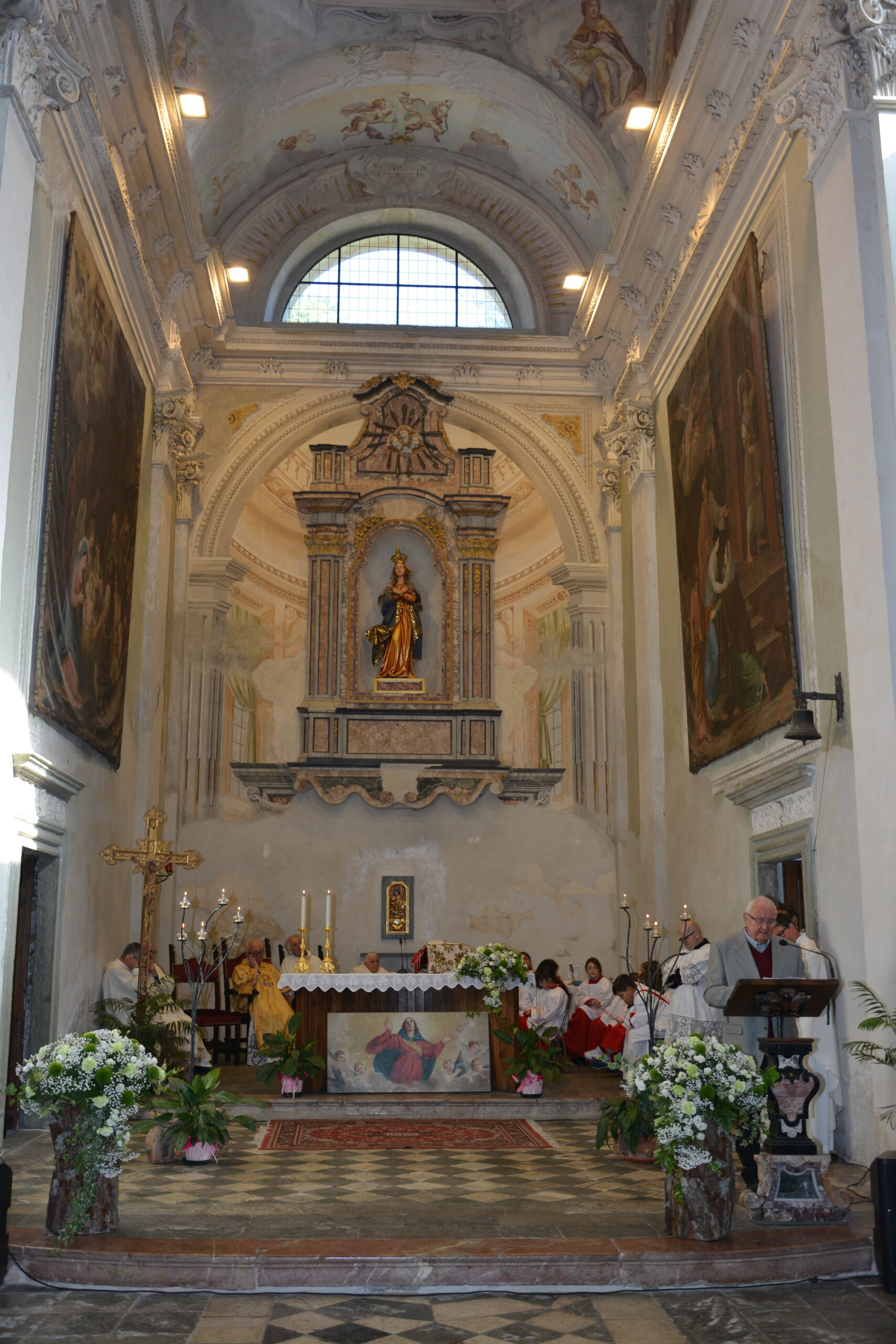
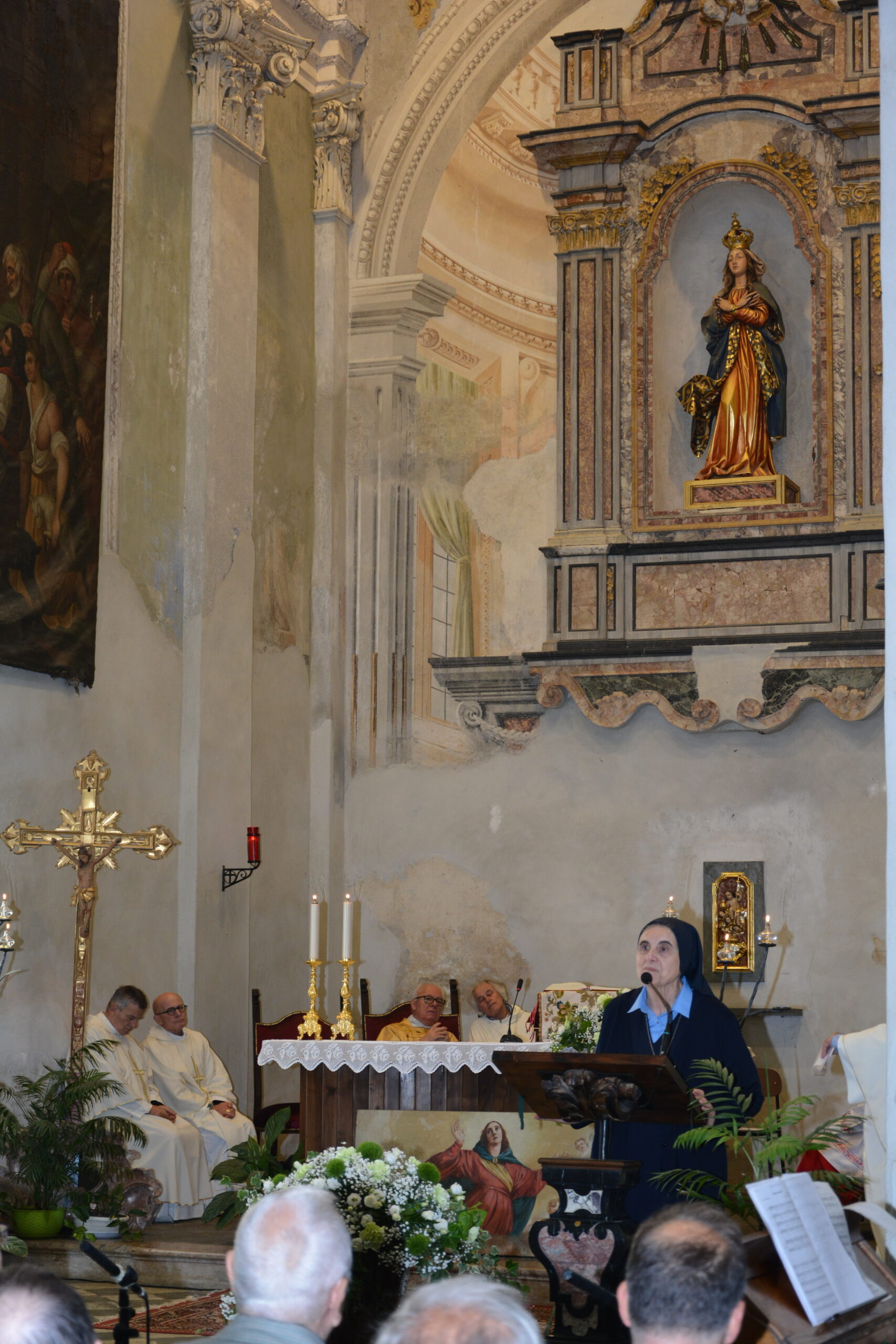
The interior of the church is characterised by a spacious and bright single nave with six side chapels, carved into the thickness of the walls and communicating with each other. In the central right chapel is a modest chancel and the remains of an 18th-century organ. In the other chapels are four plaster scagliola altars, all from the second half of the 18th century. The first altar on the right is dedicated to St. Francis, while the next one, dedicated to Our Lady of Sorrows, has an interesting carved stone predella and the coat of arms of the noble Guicciardi family. Above the high altar, the frescoes in the dome depict the Assumption of the Virgin, with the Apostles below.
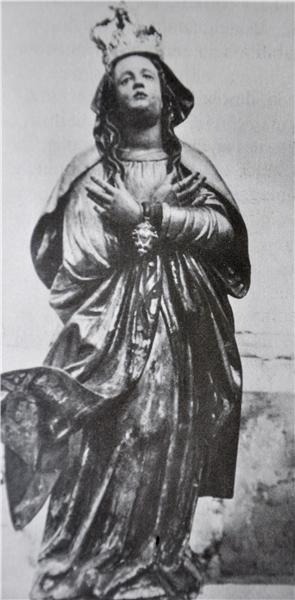
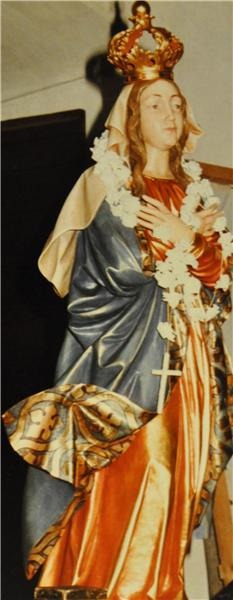
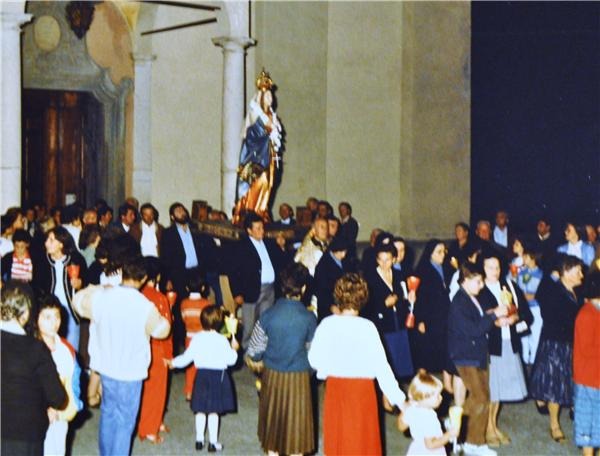
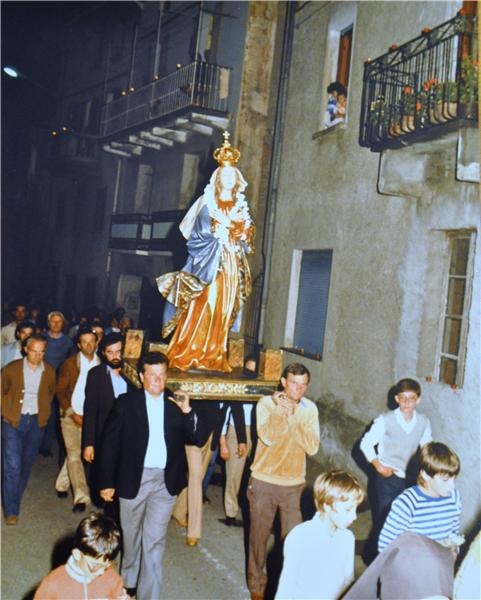
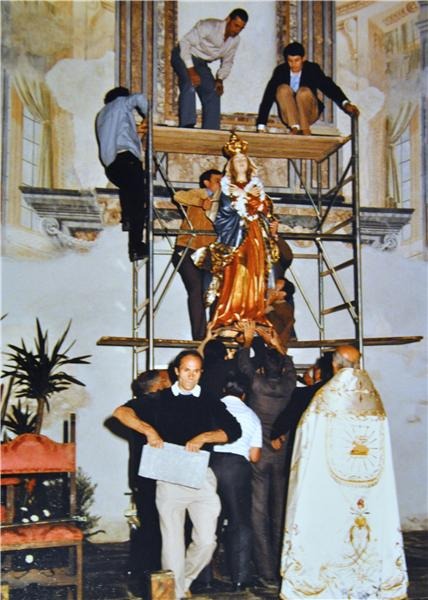
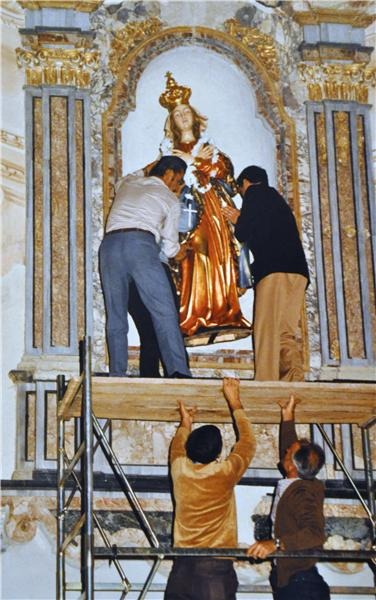
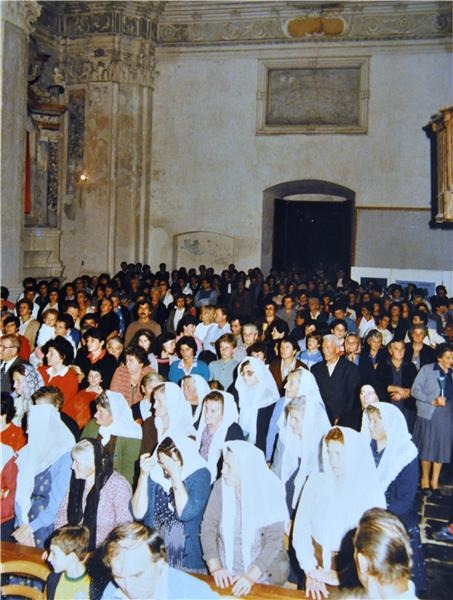
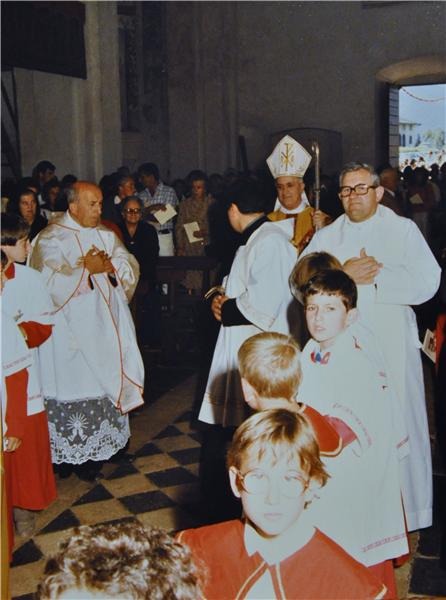
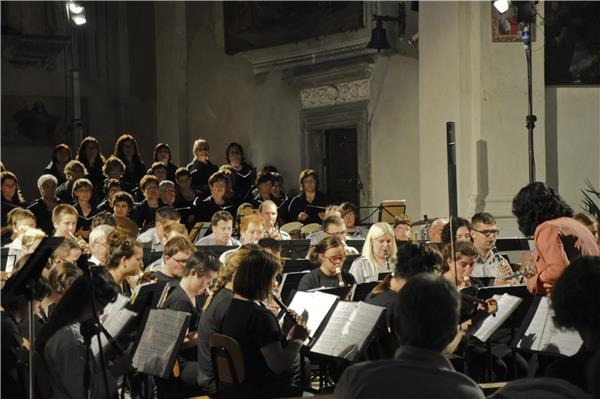
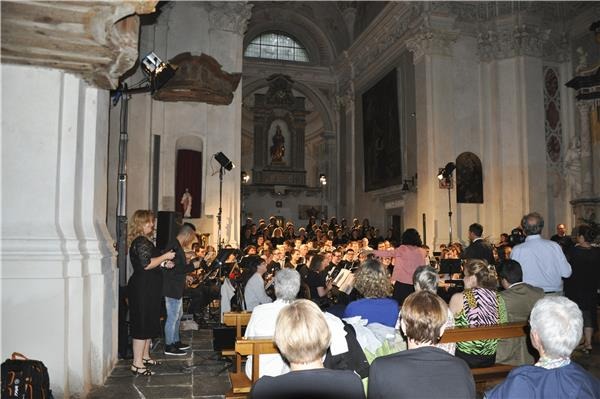
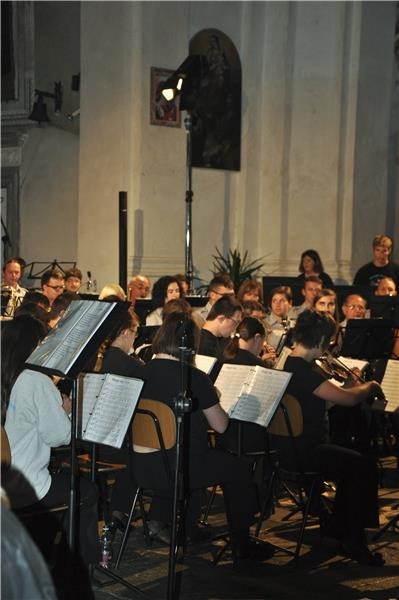
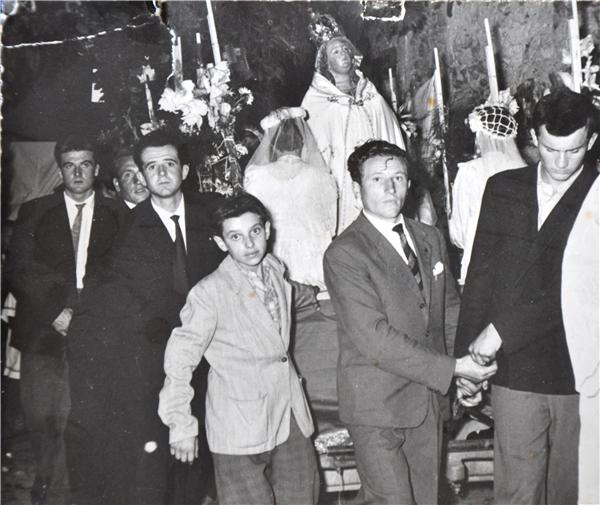
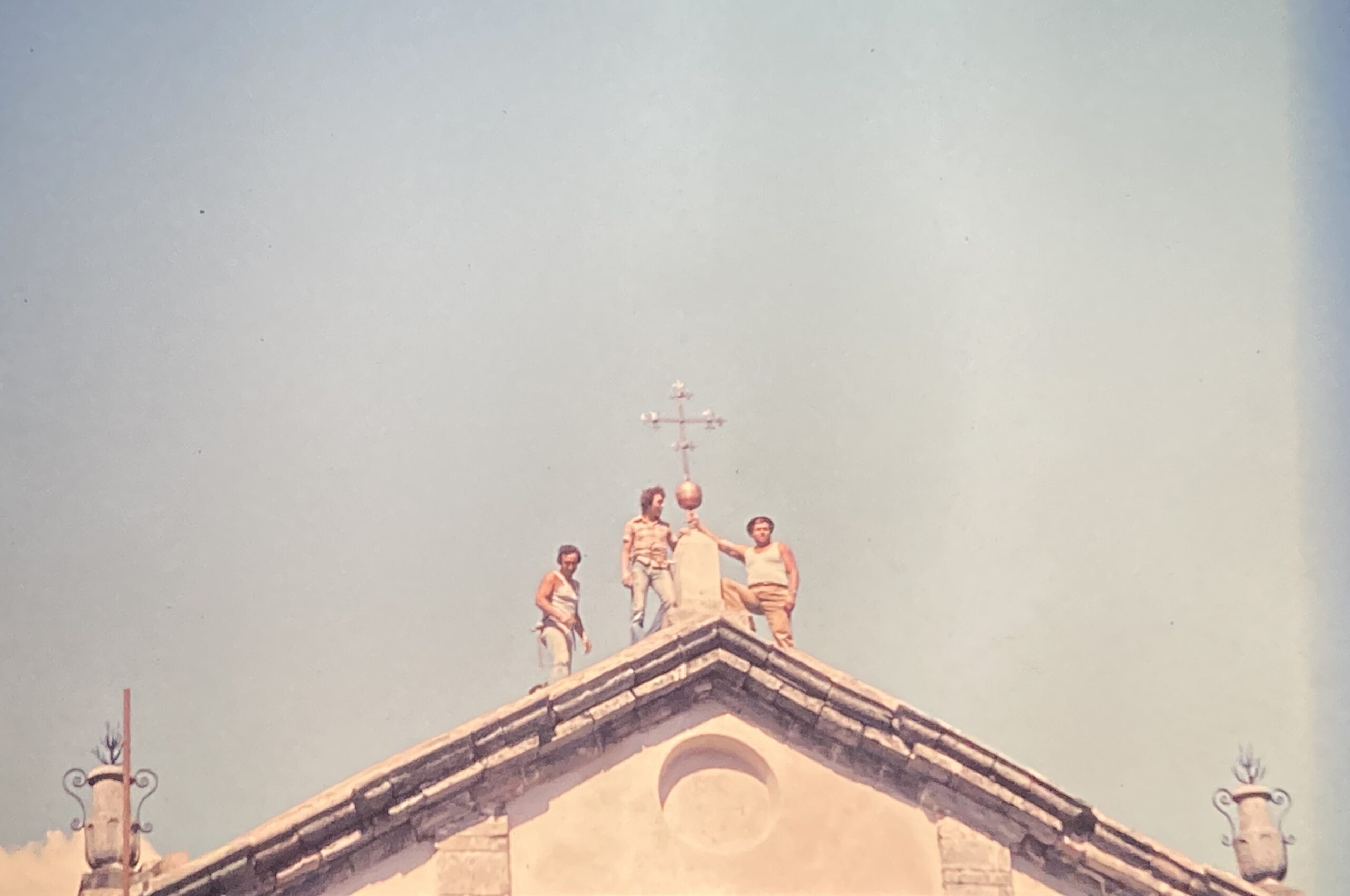
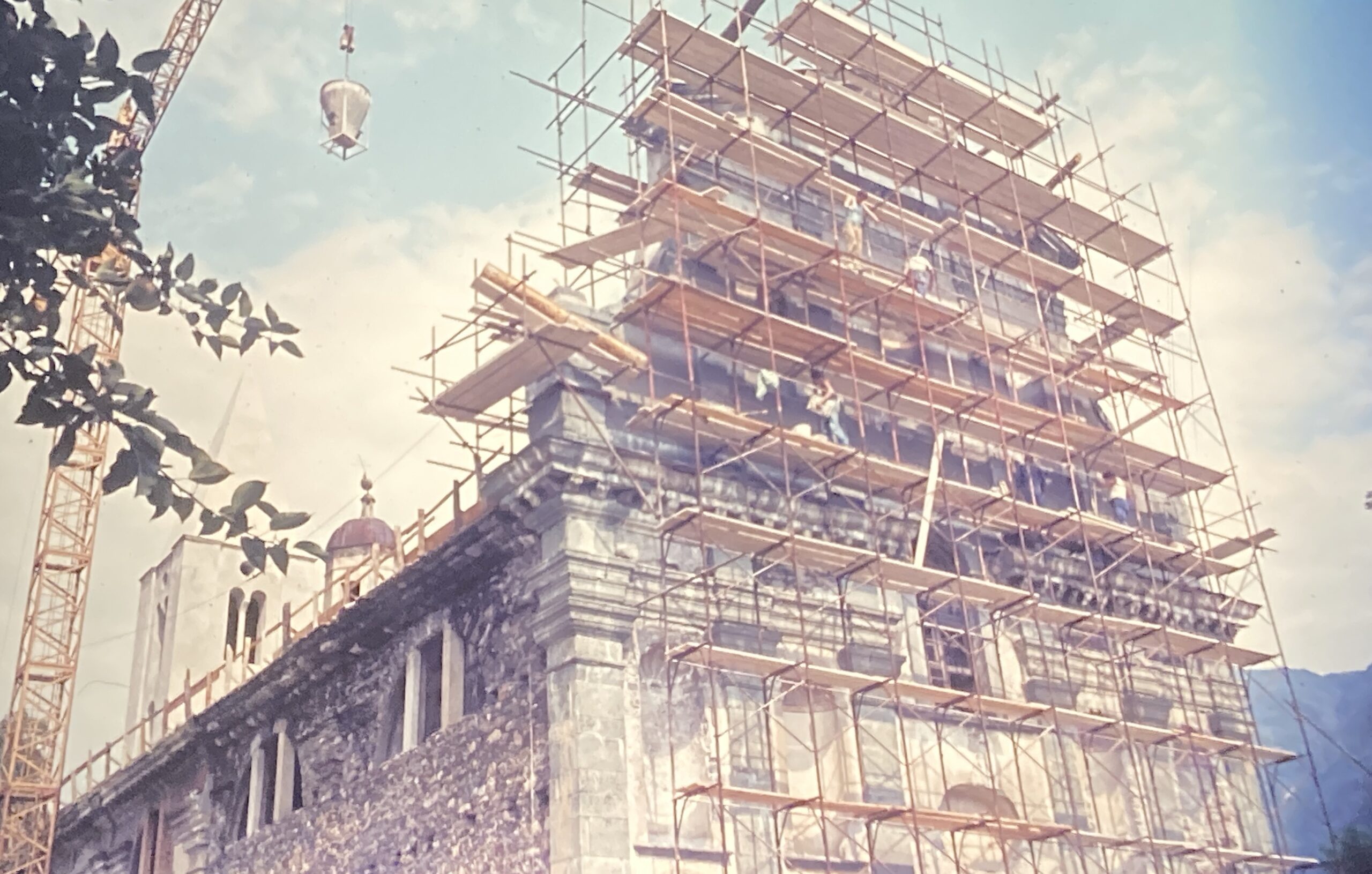
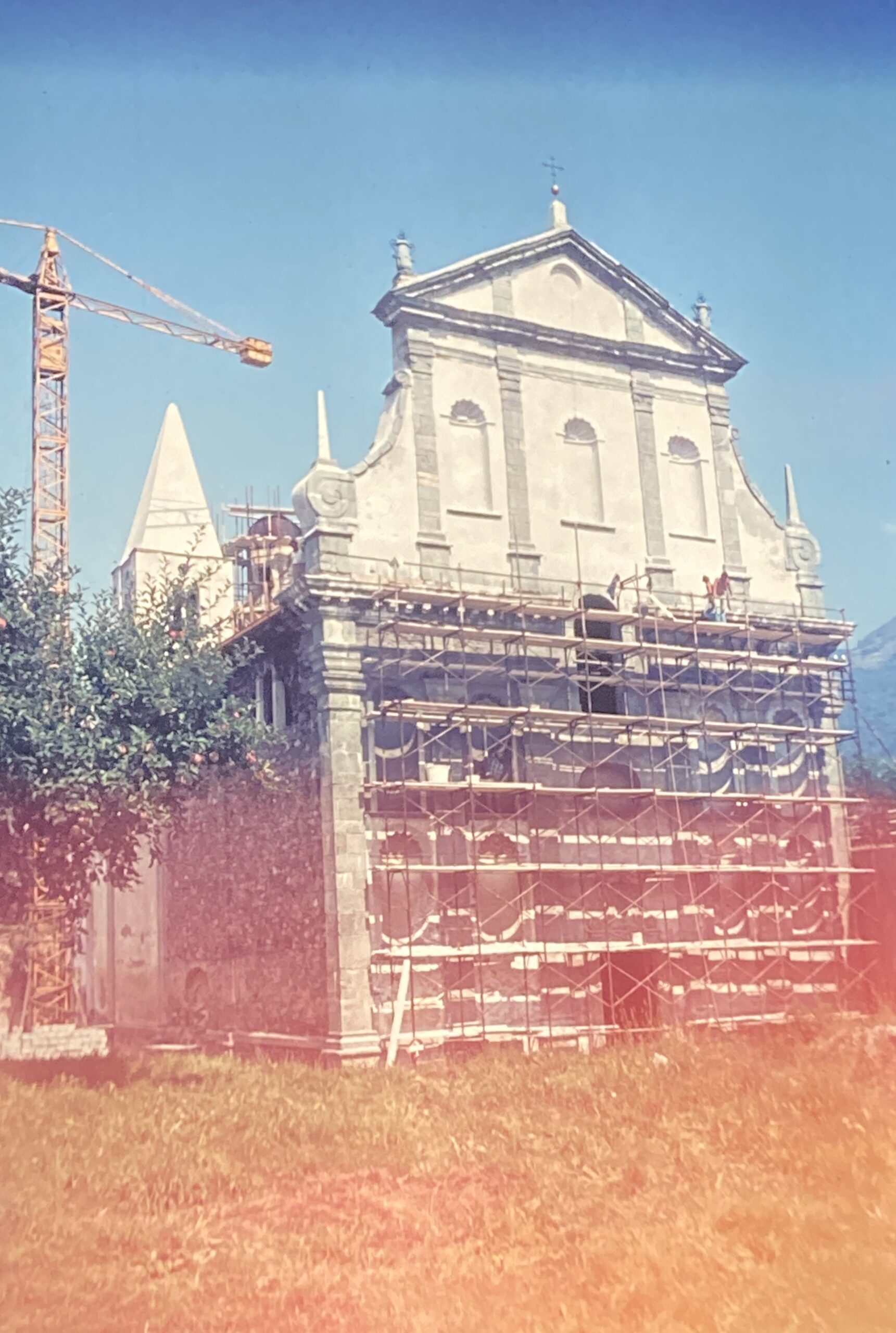
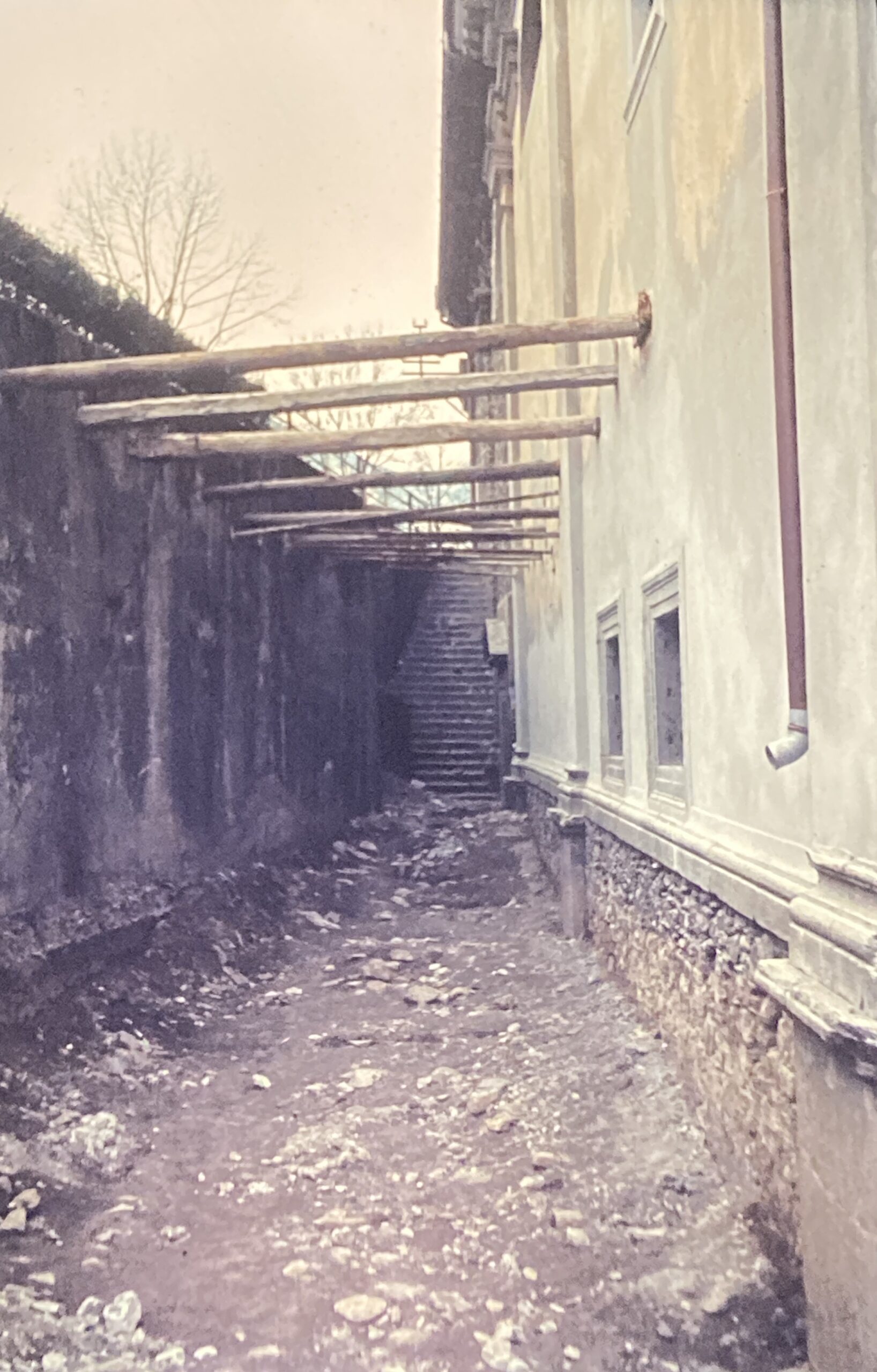
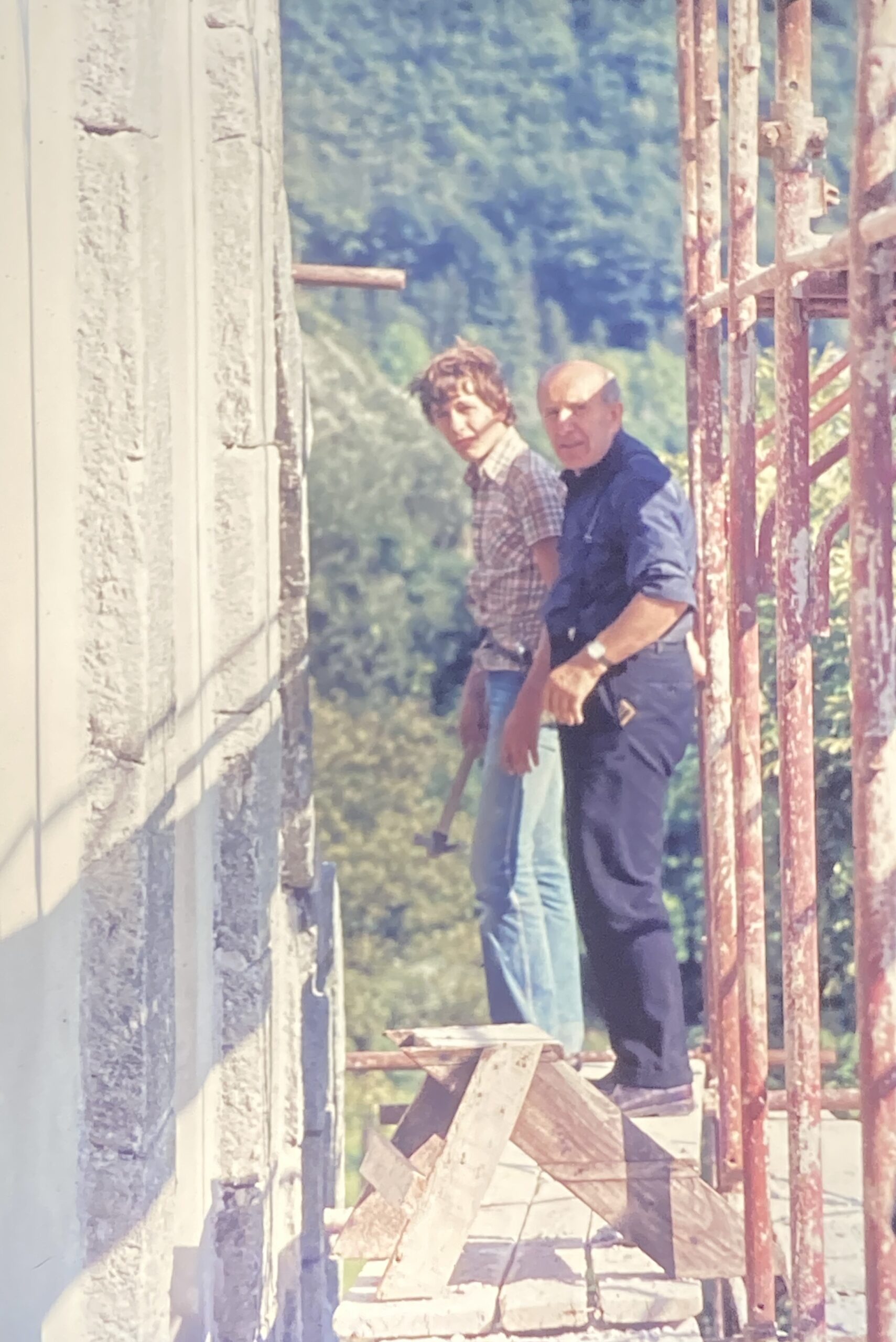
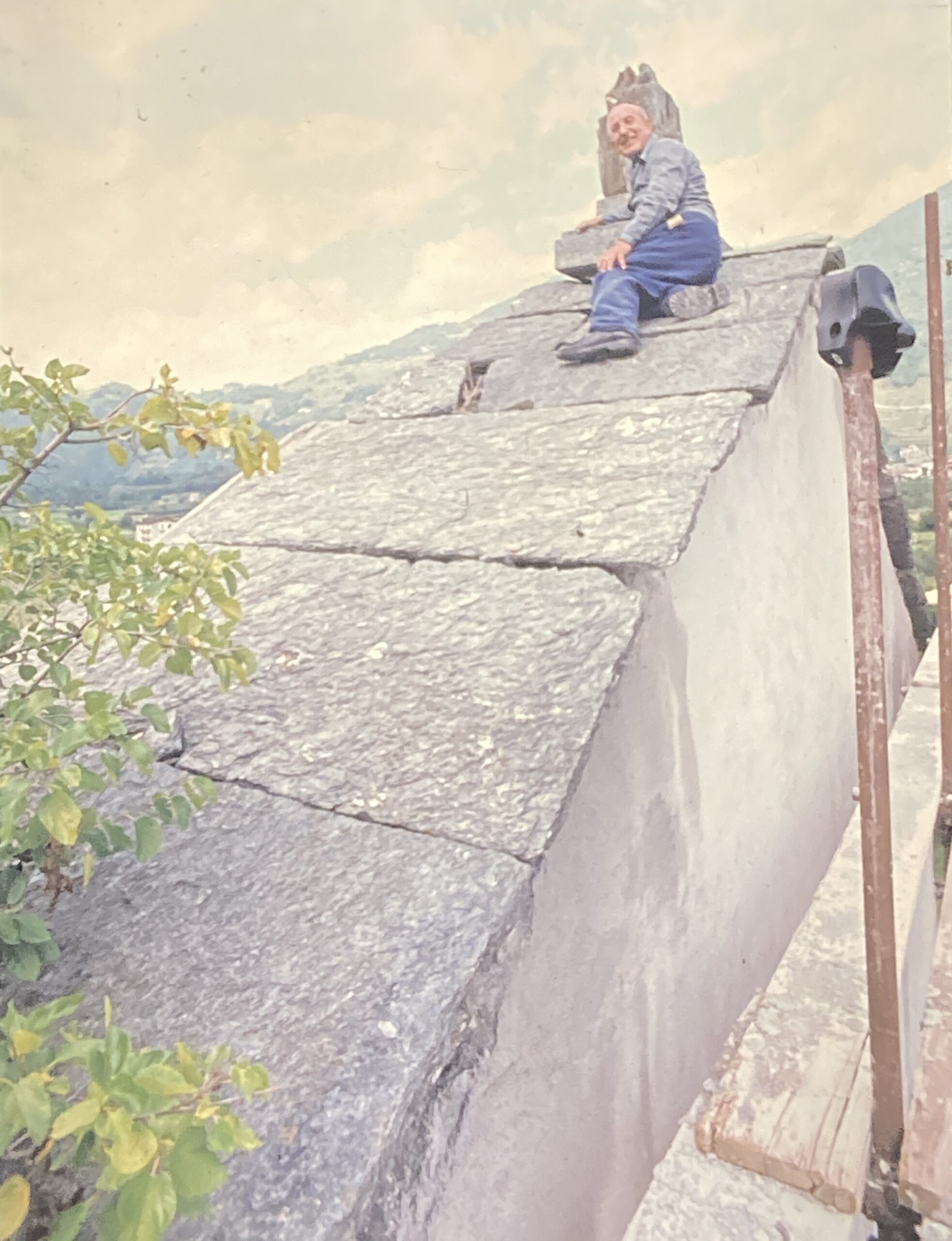
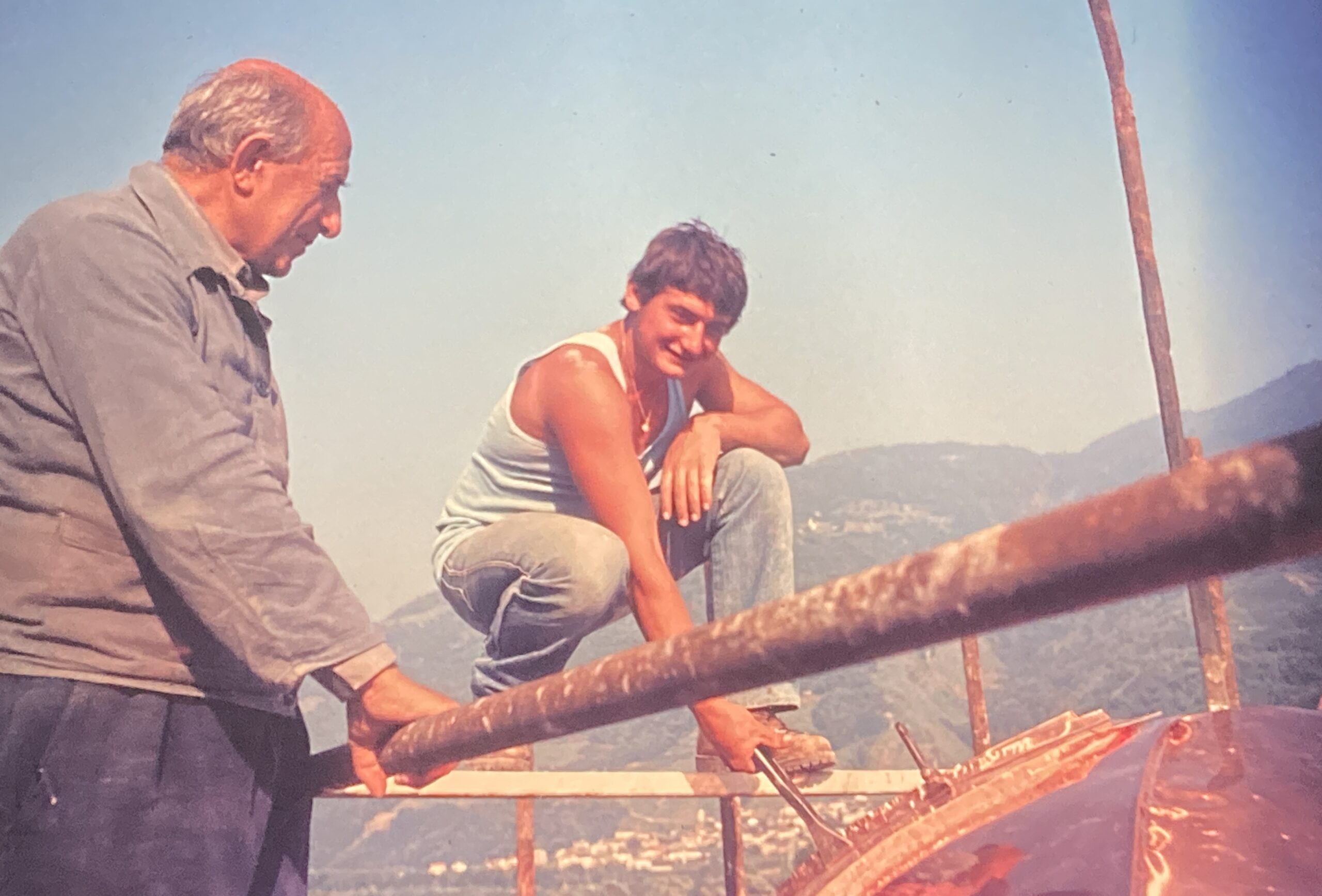
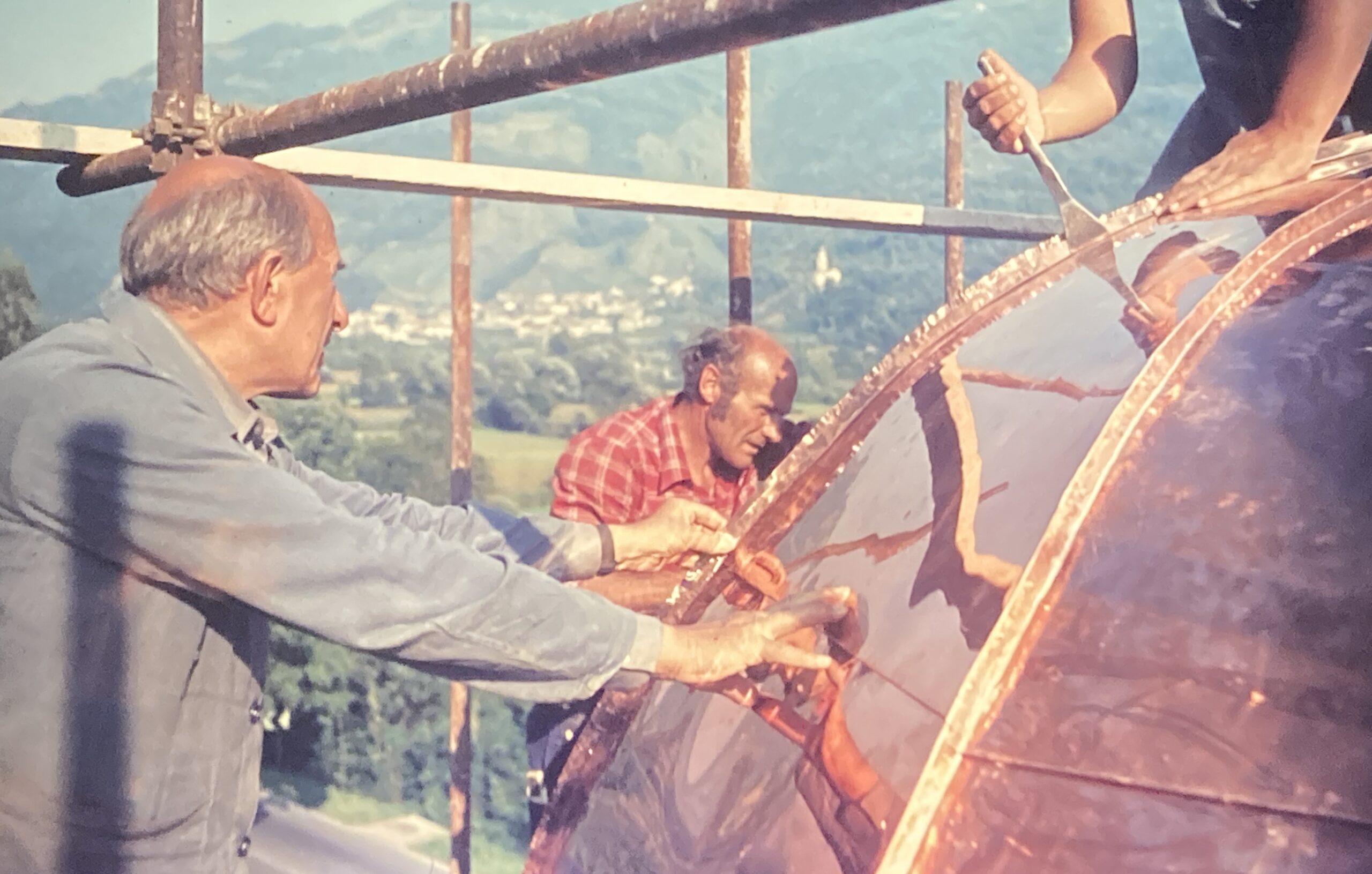
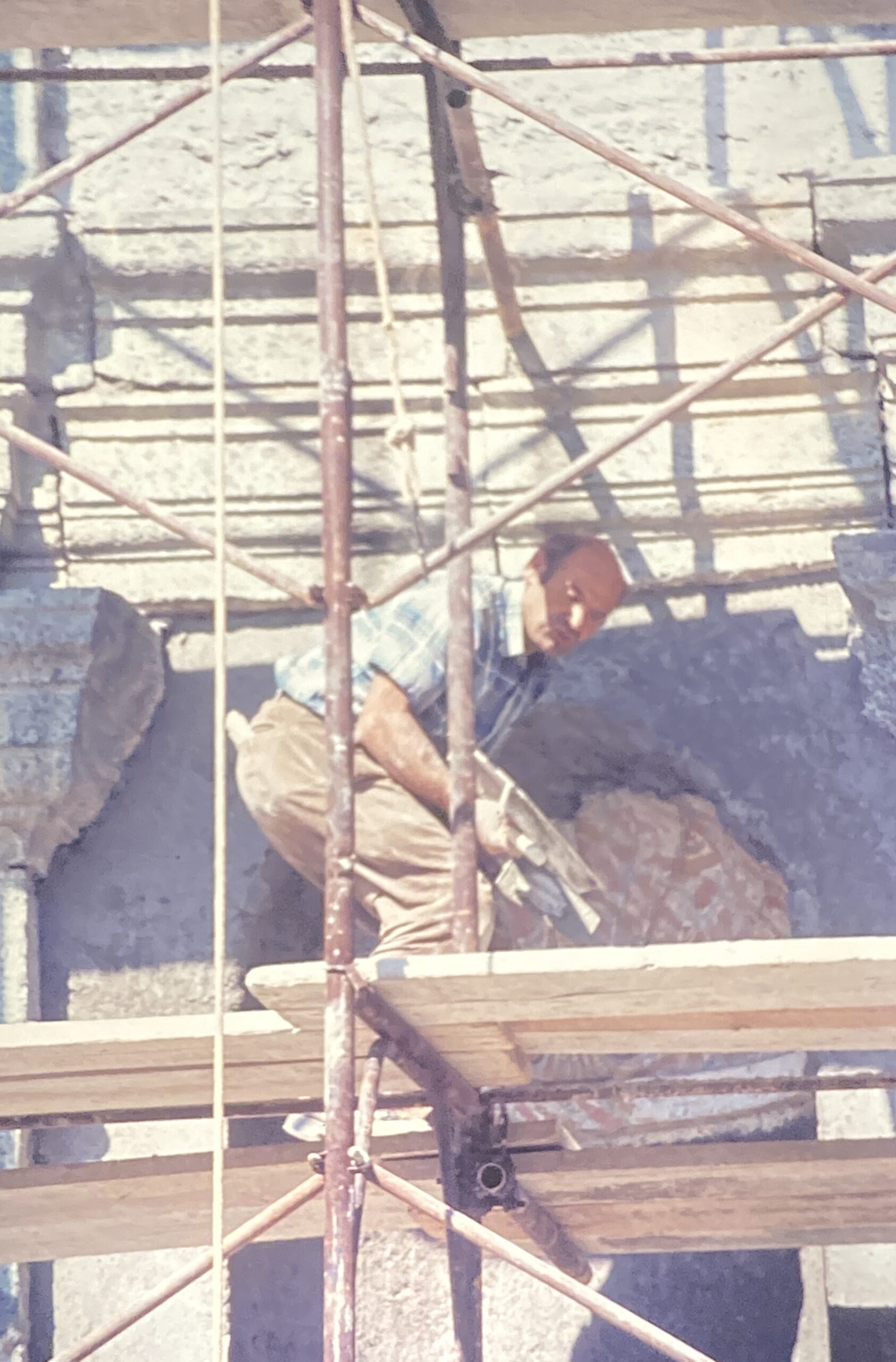
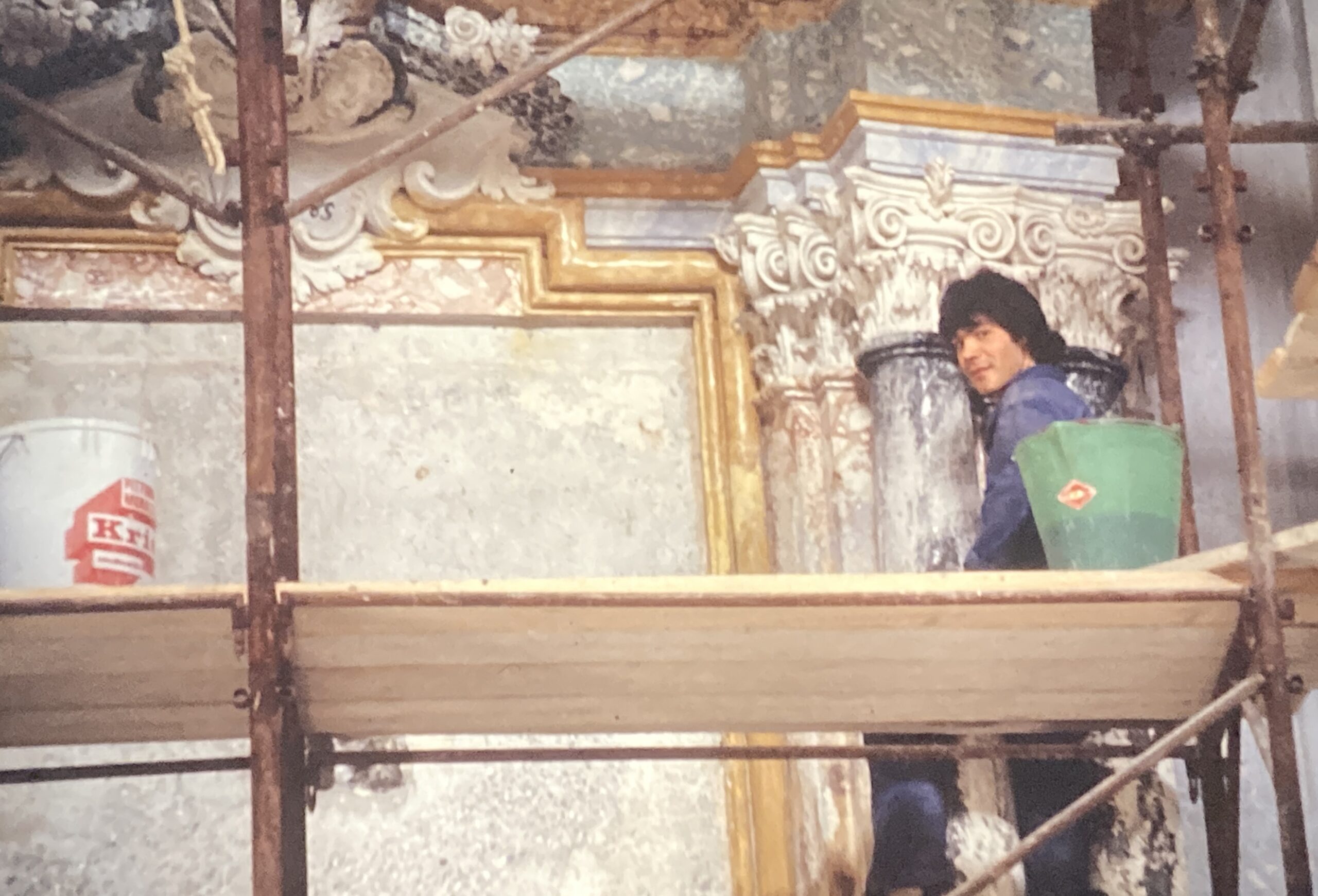
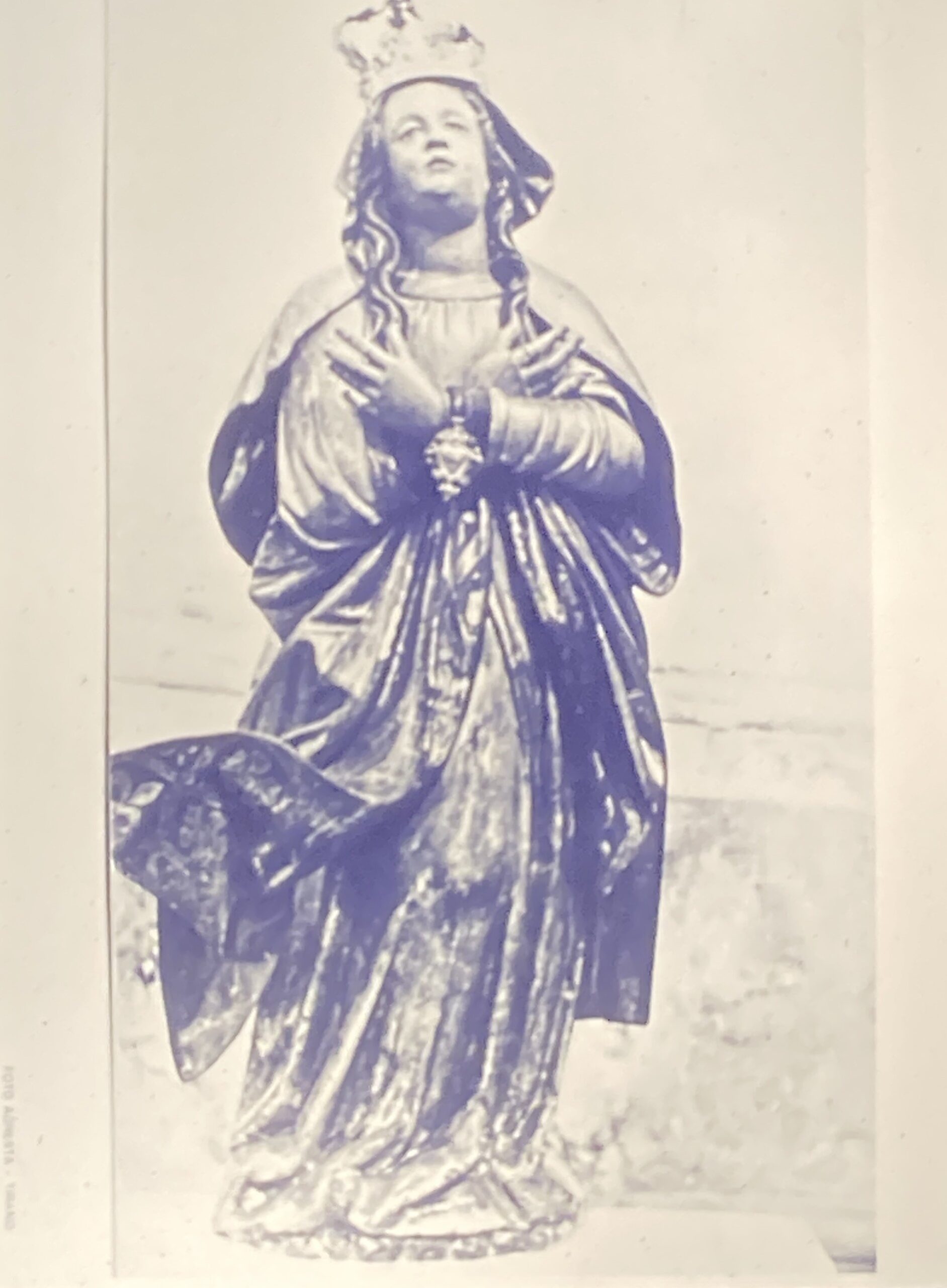
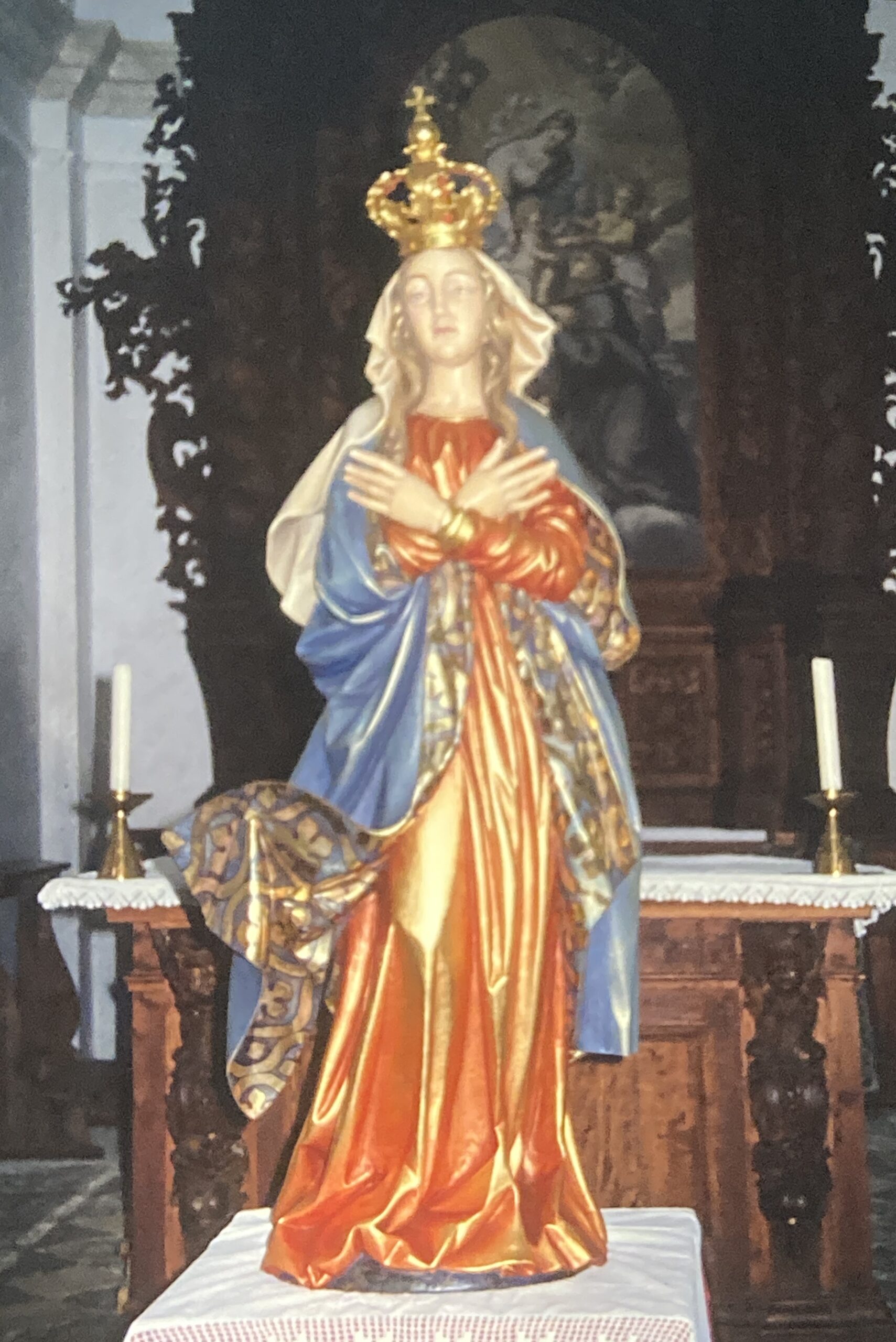
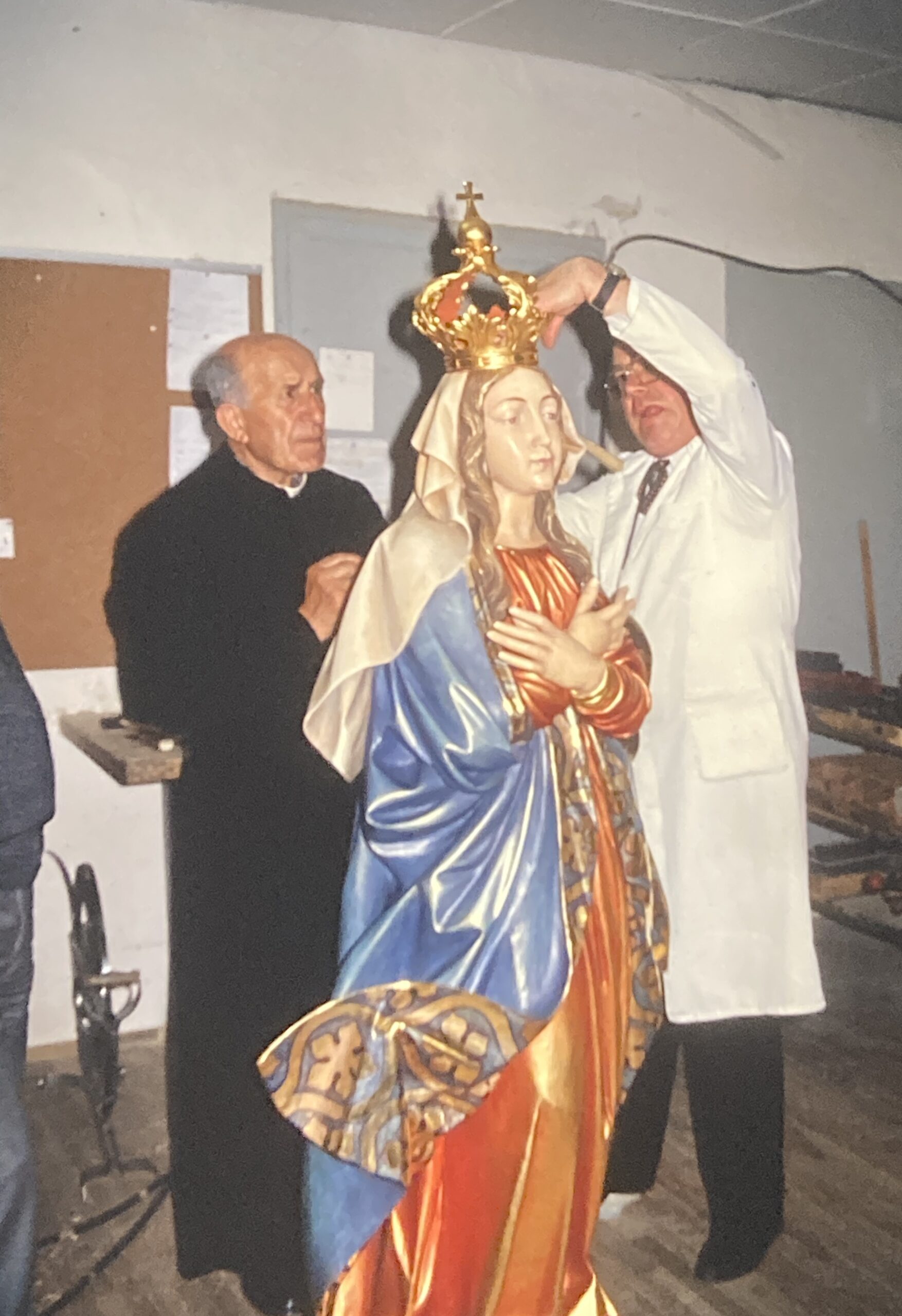
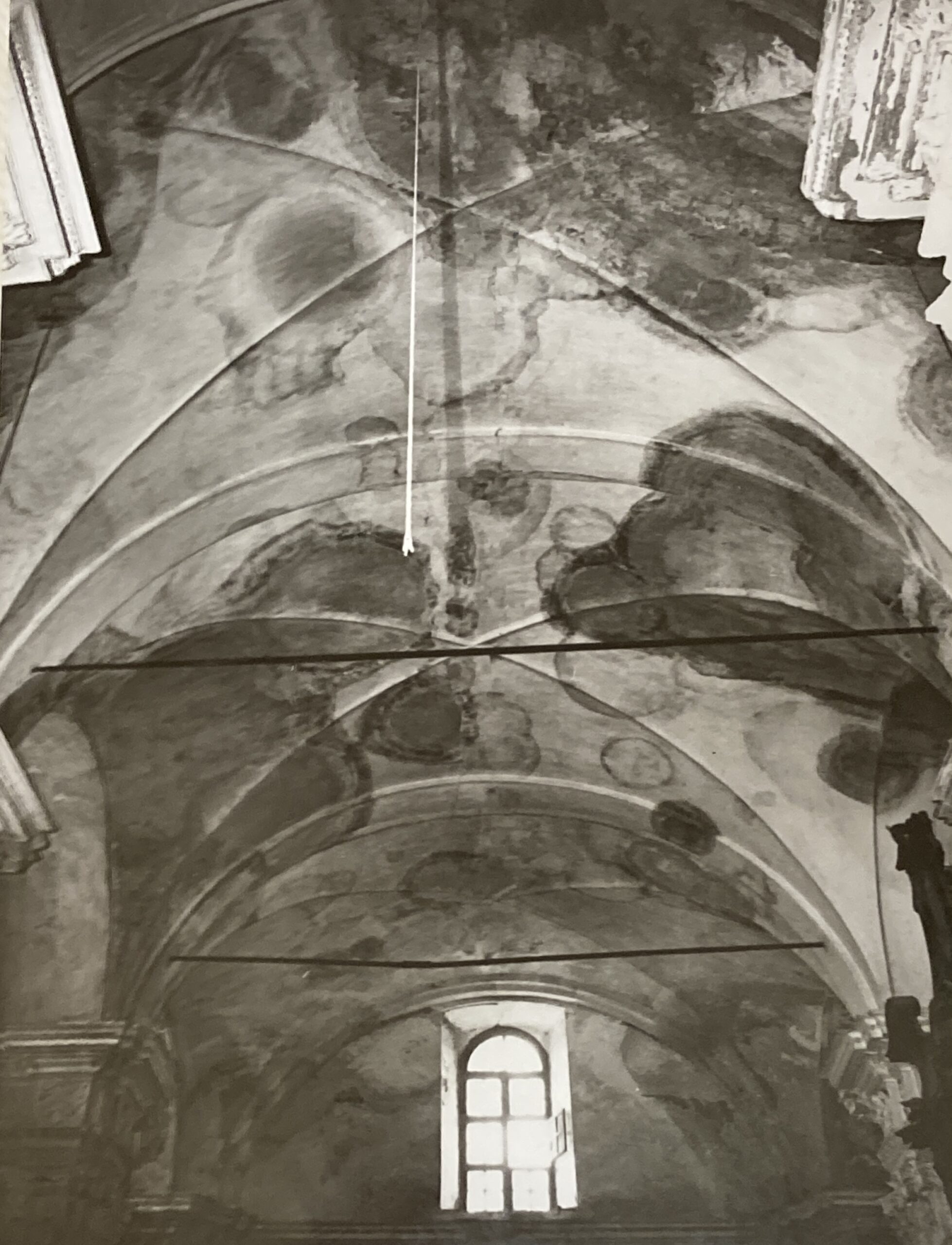
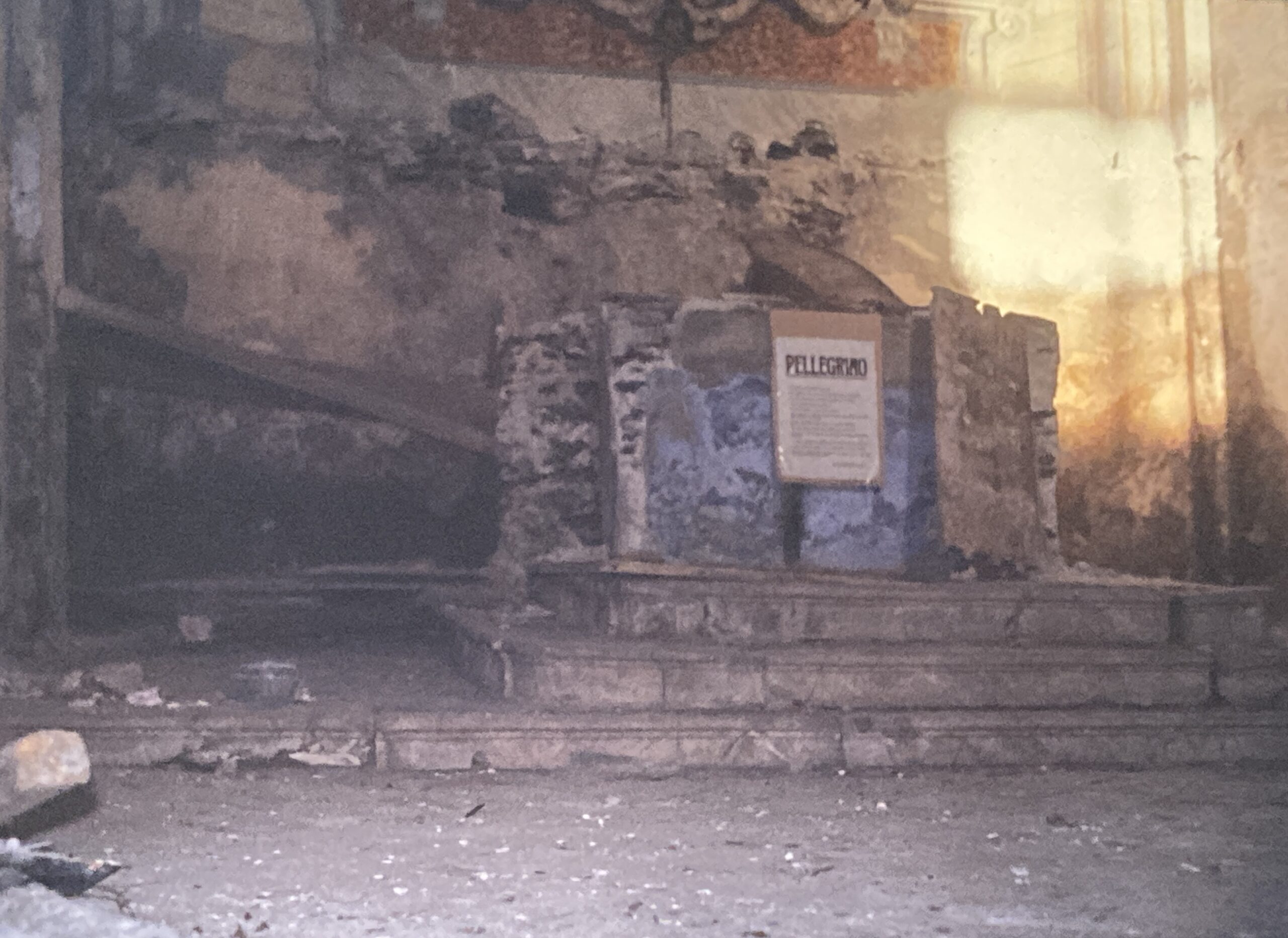
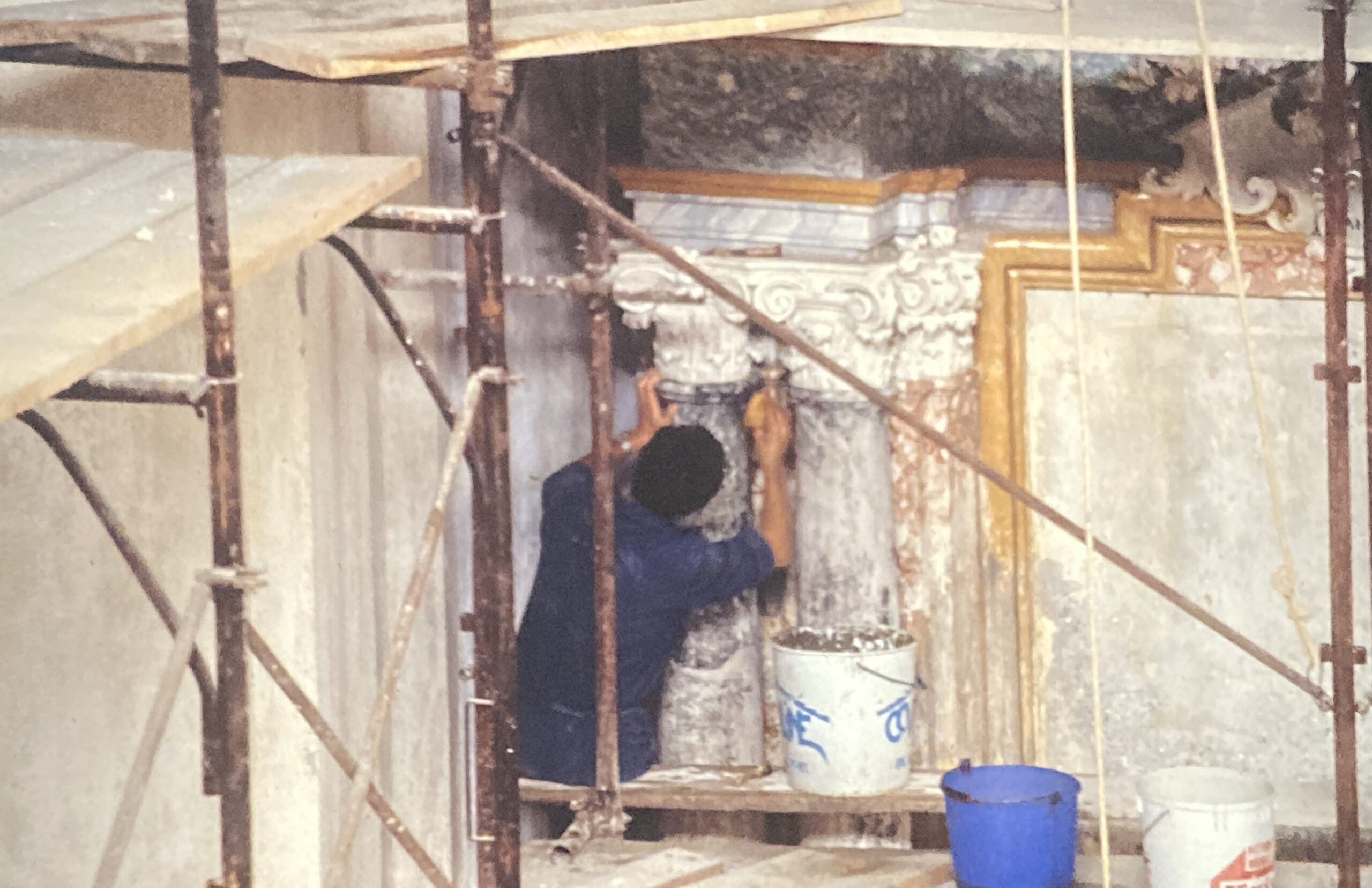
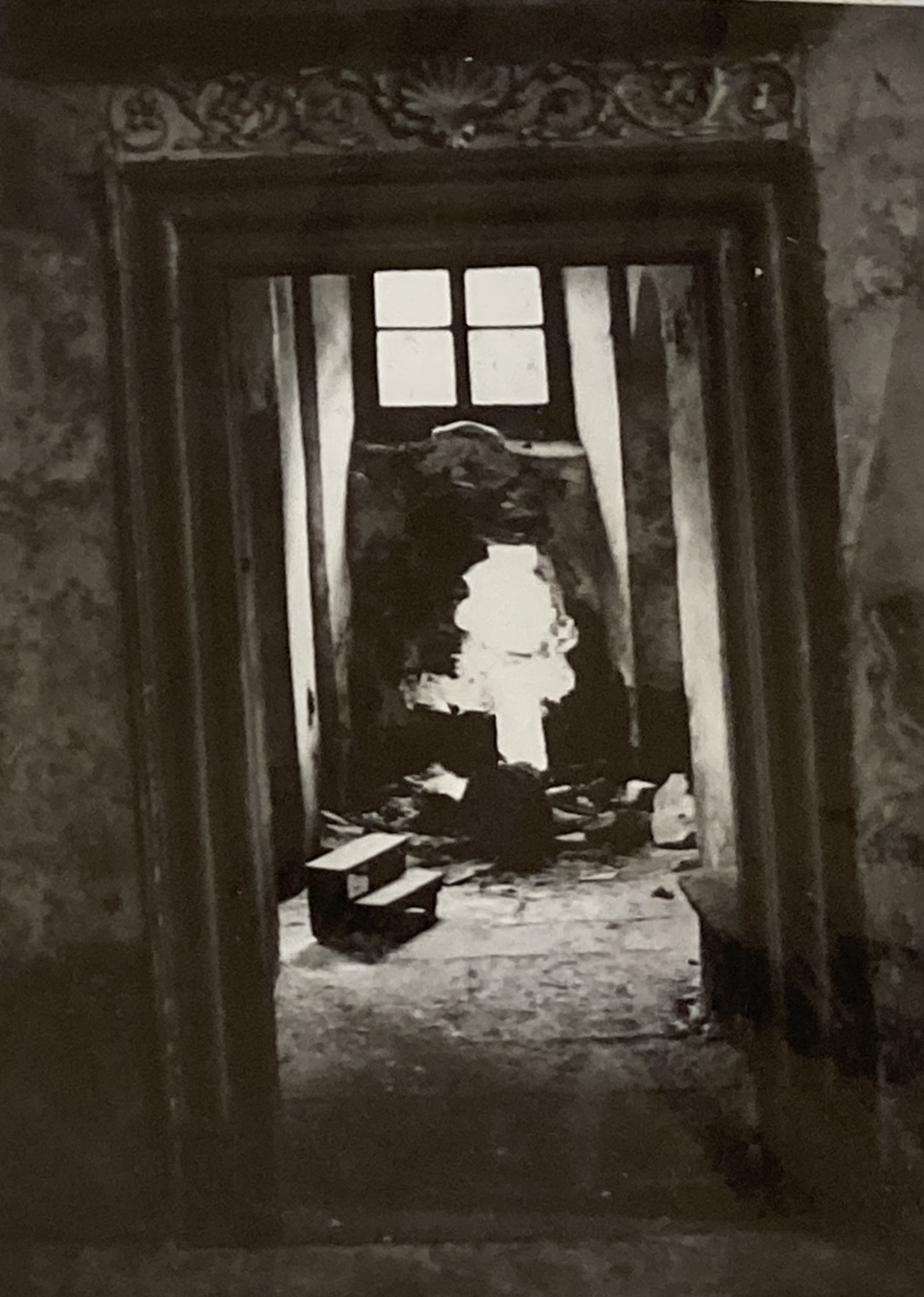
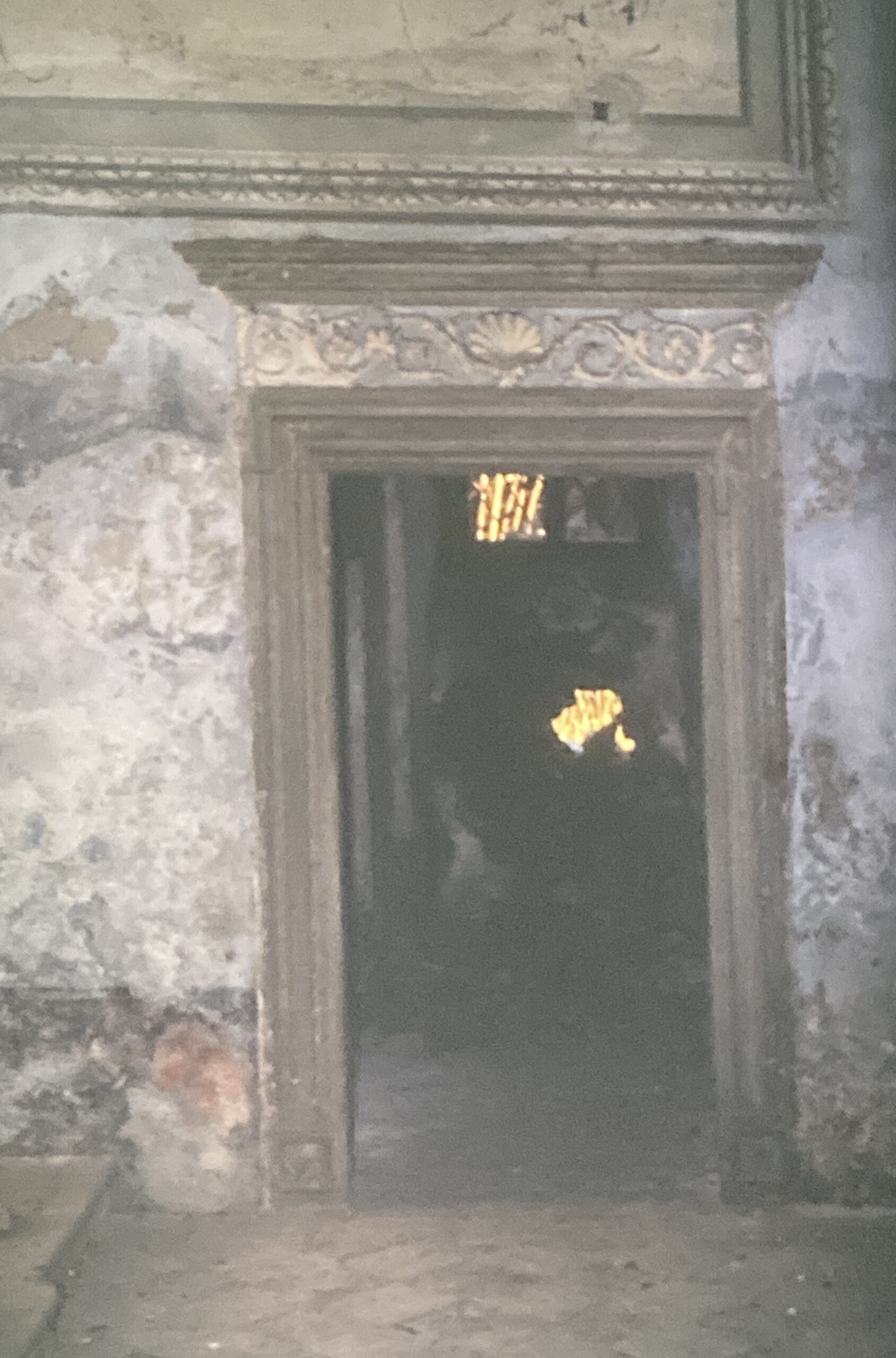
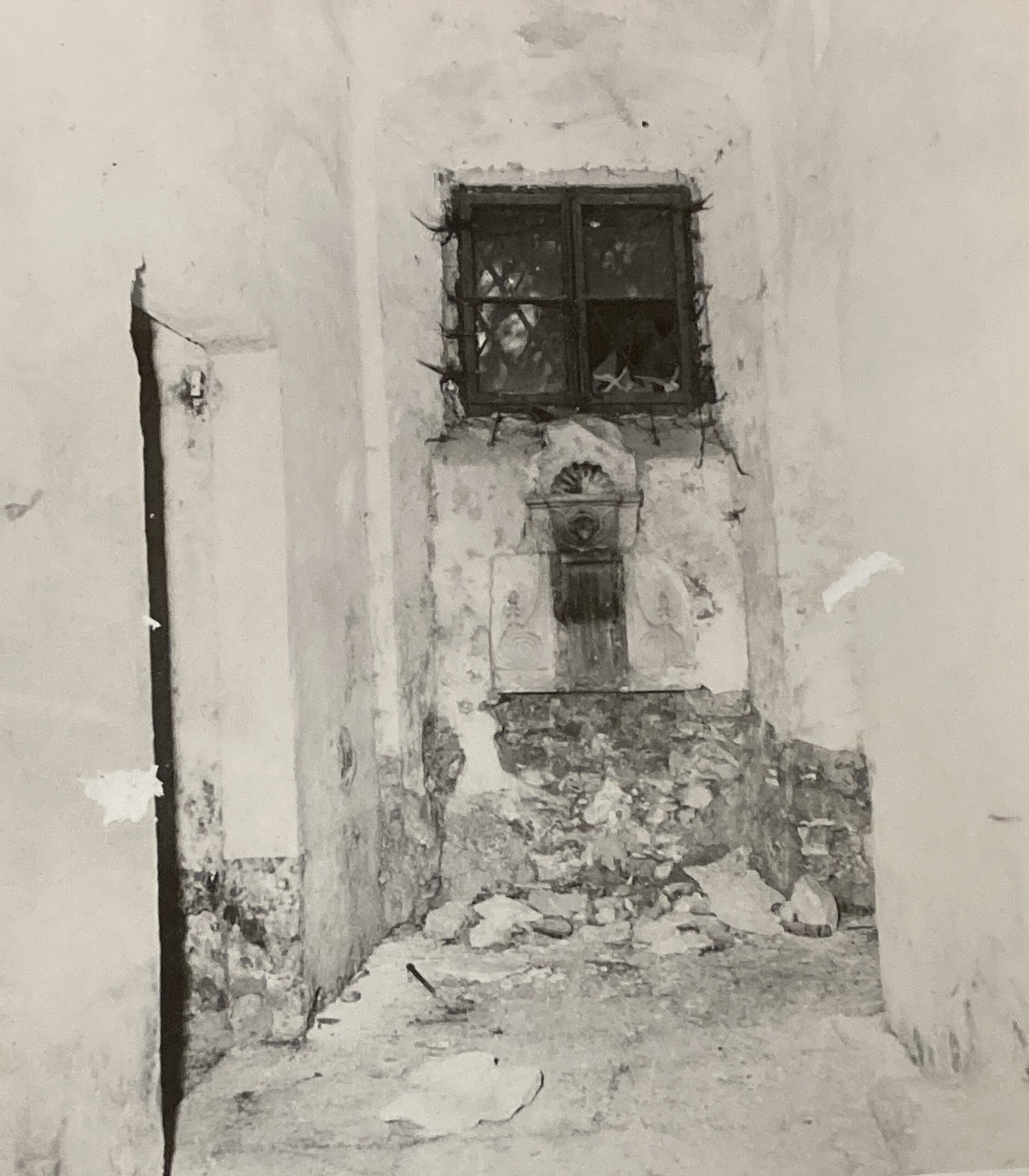
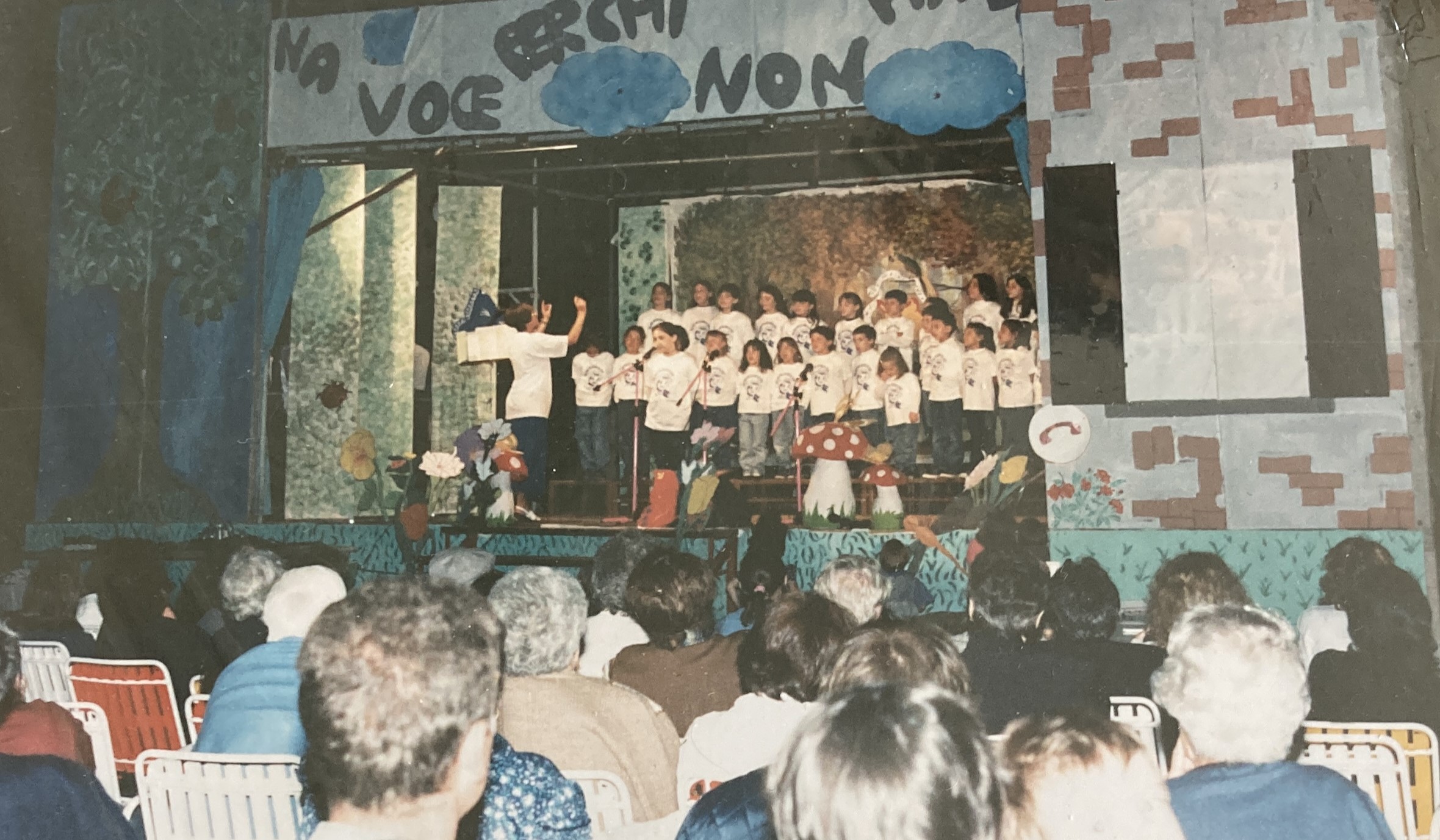
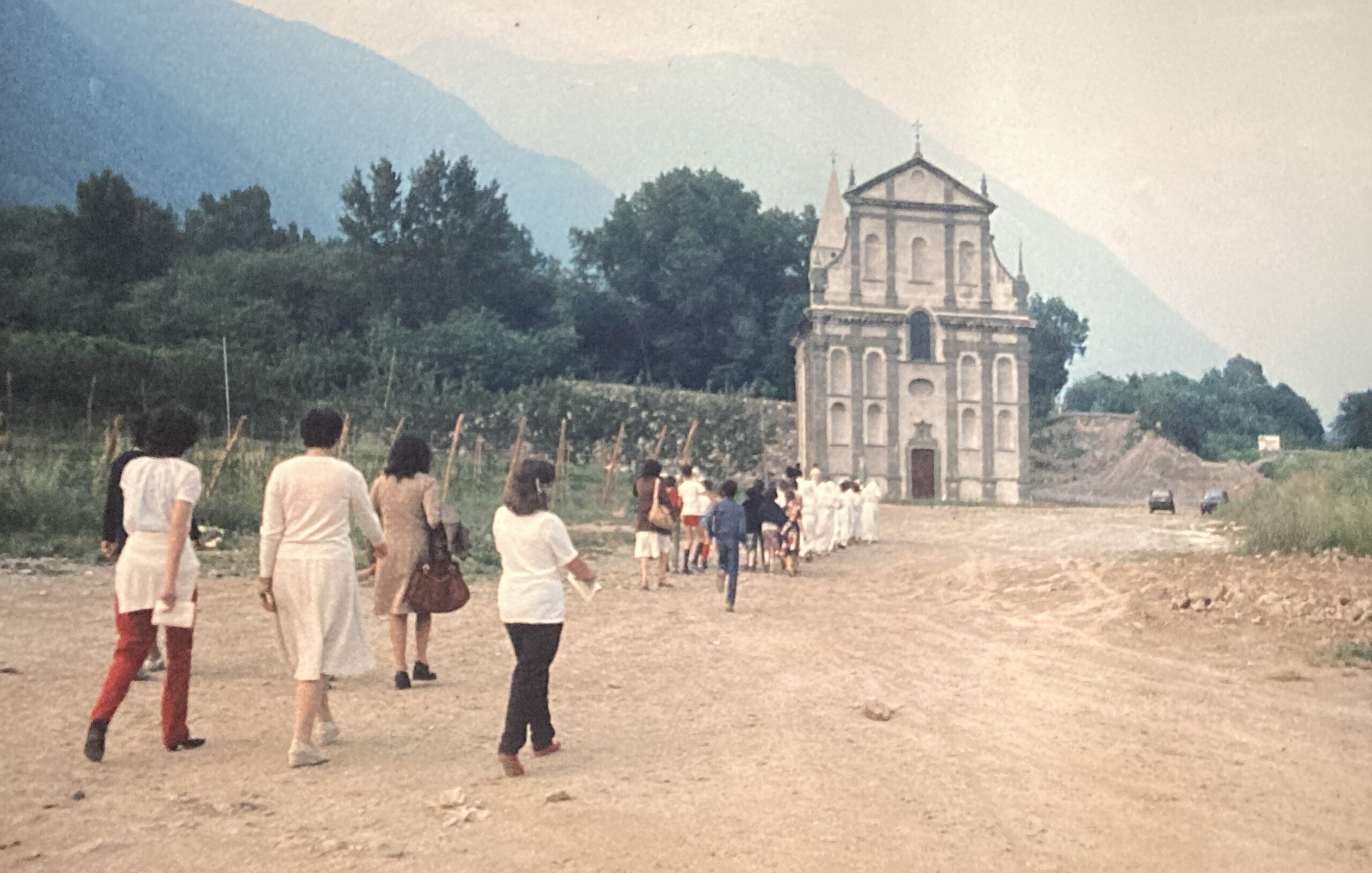
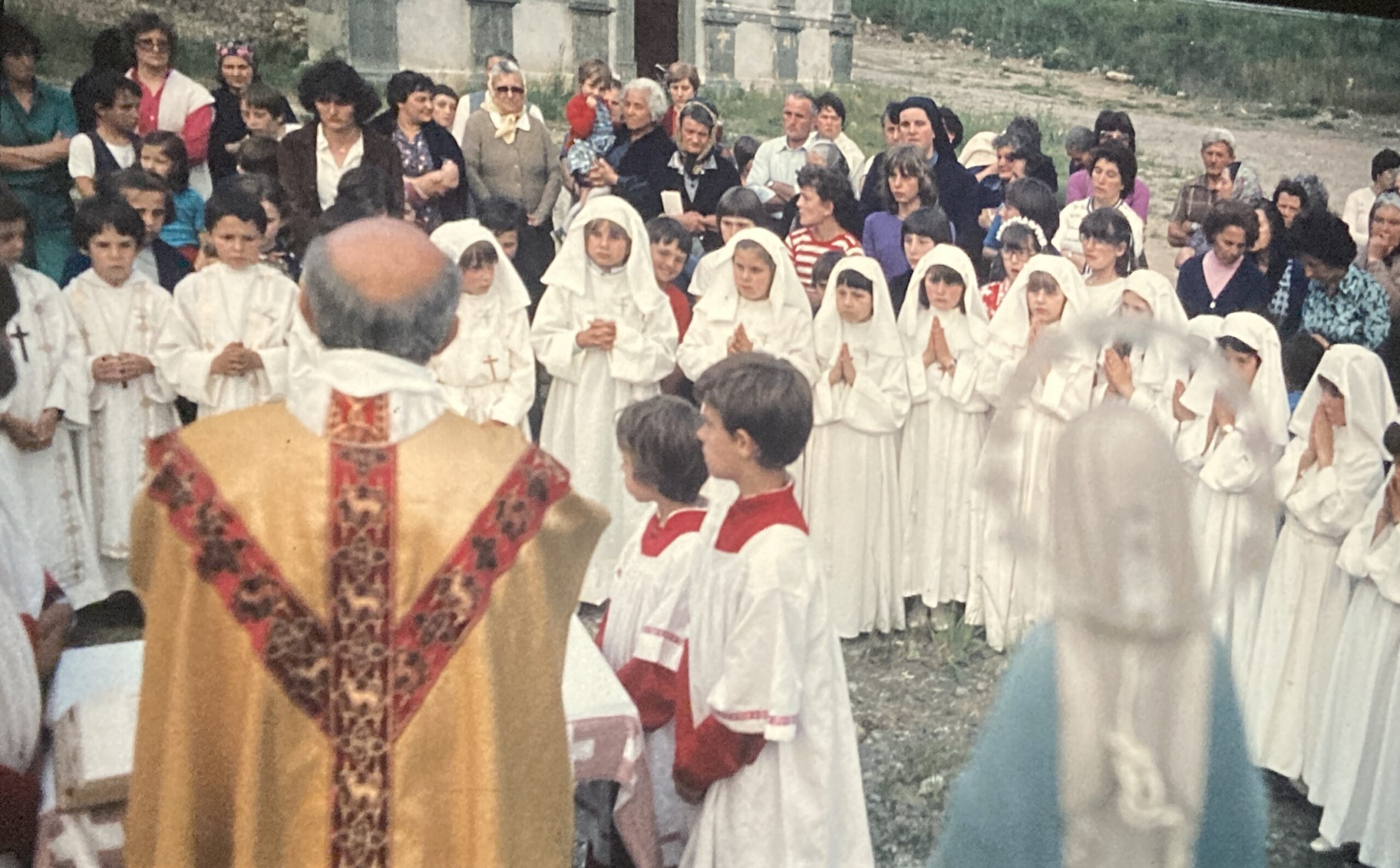
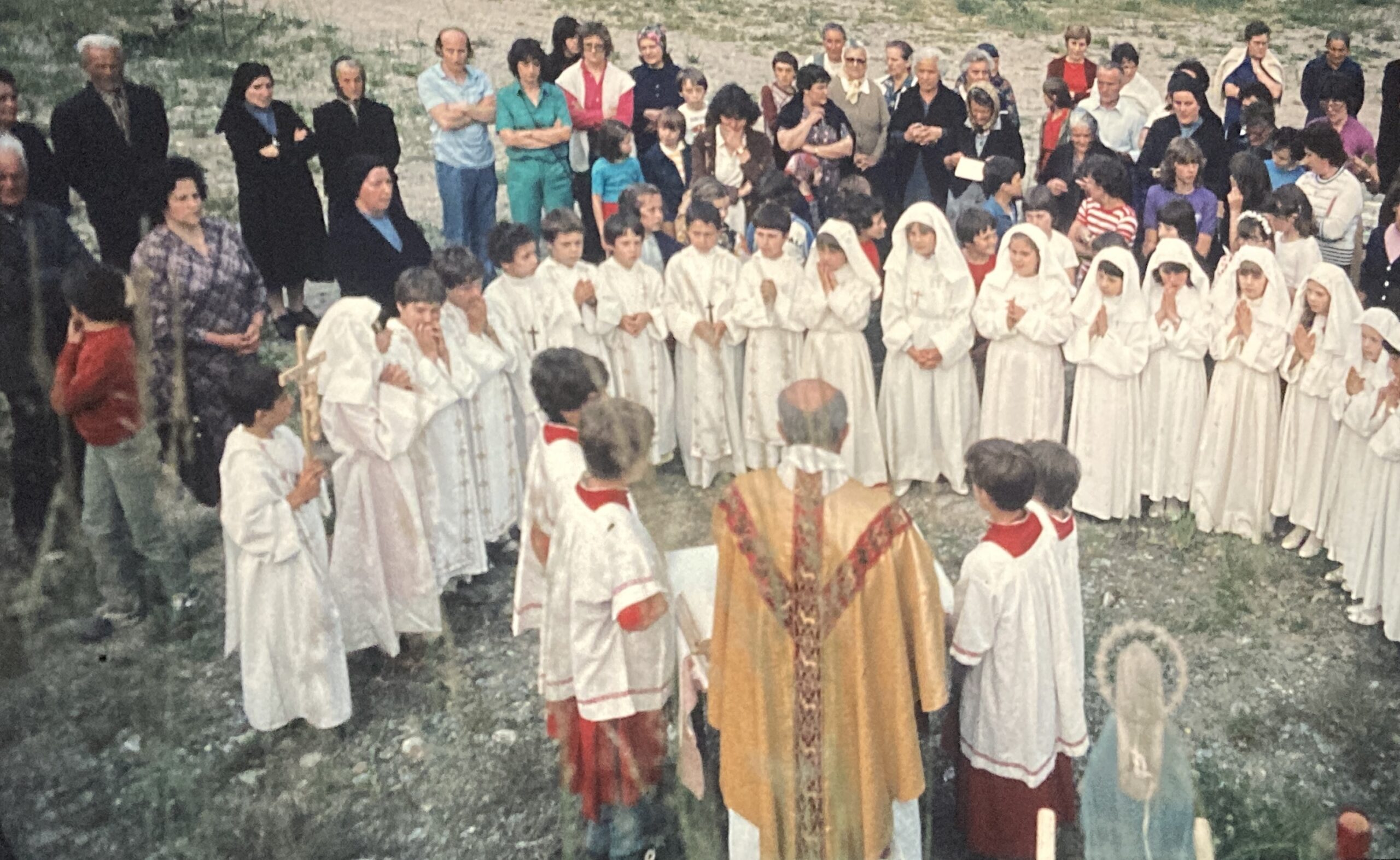
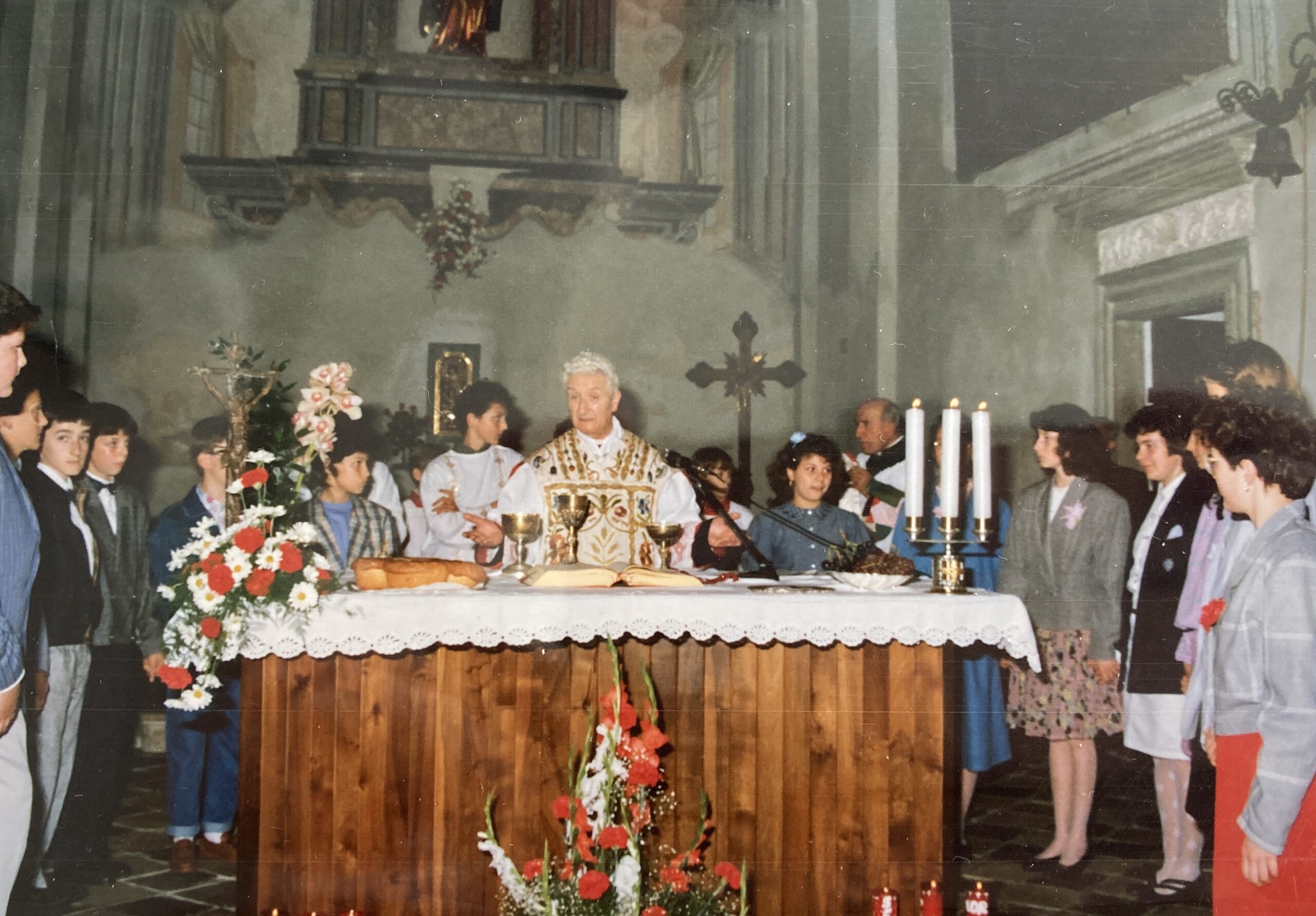
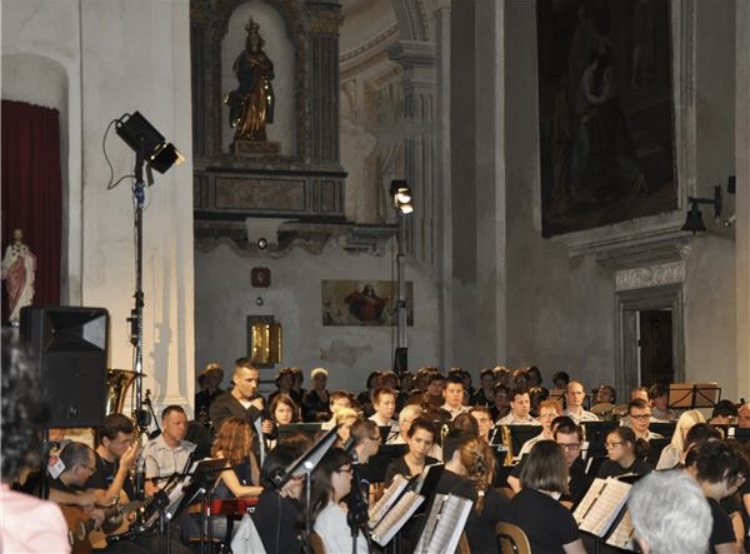
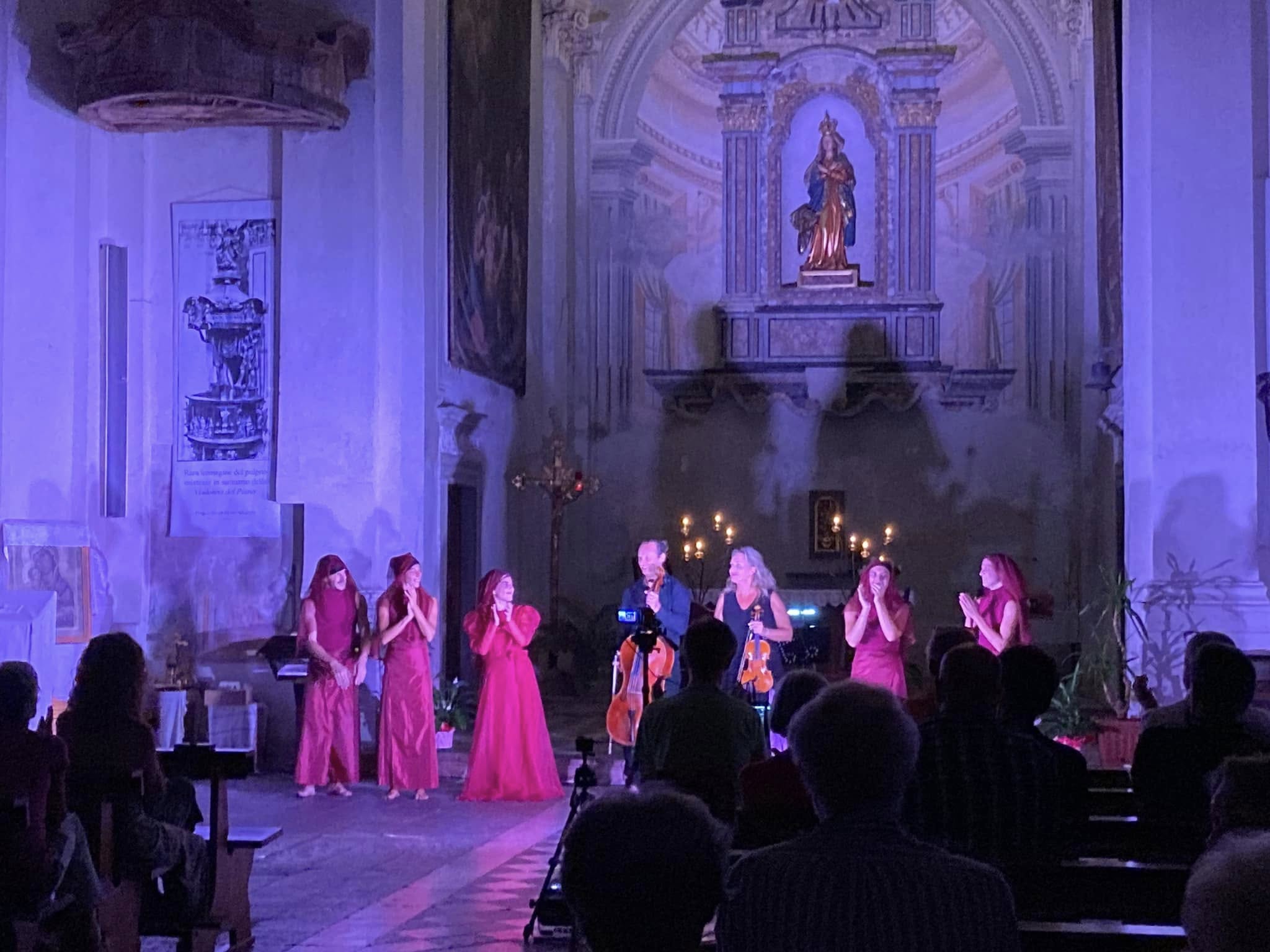
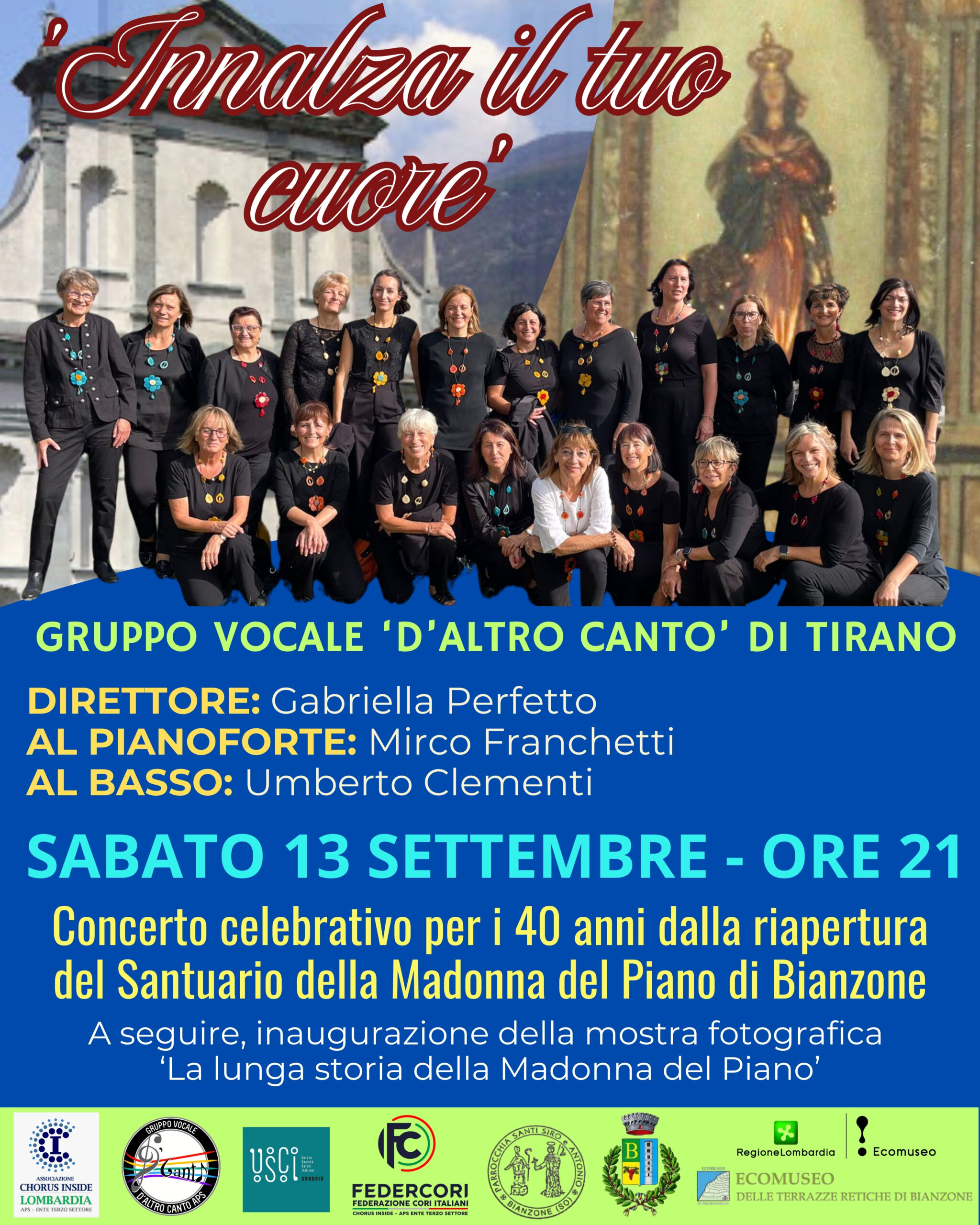
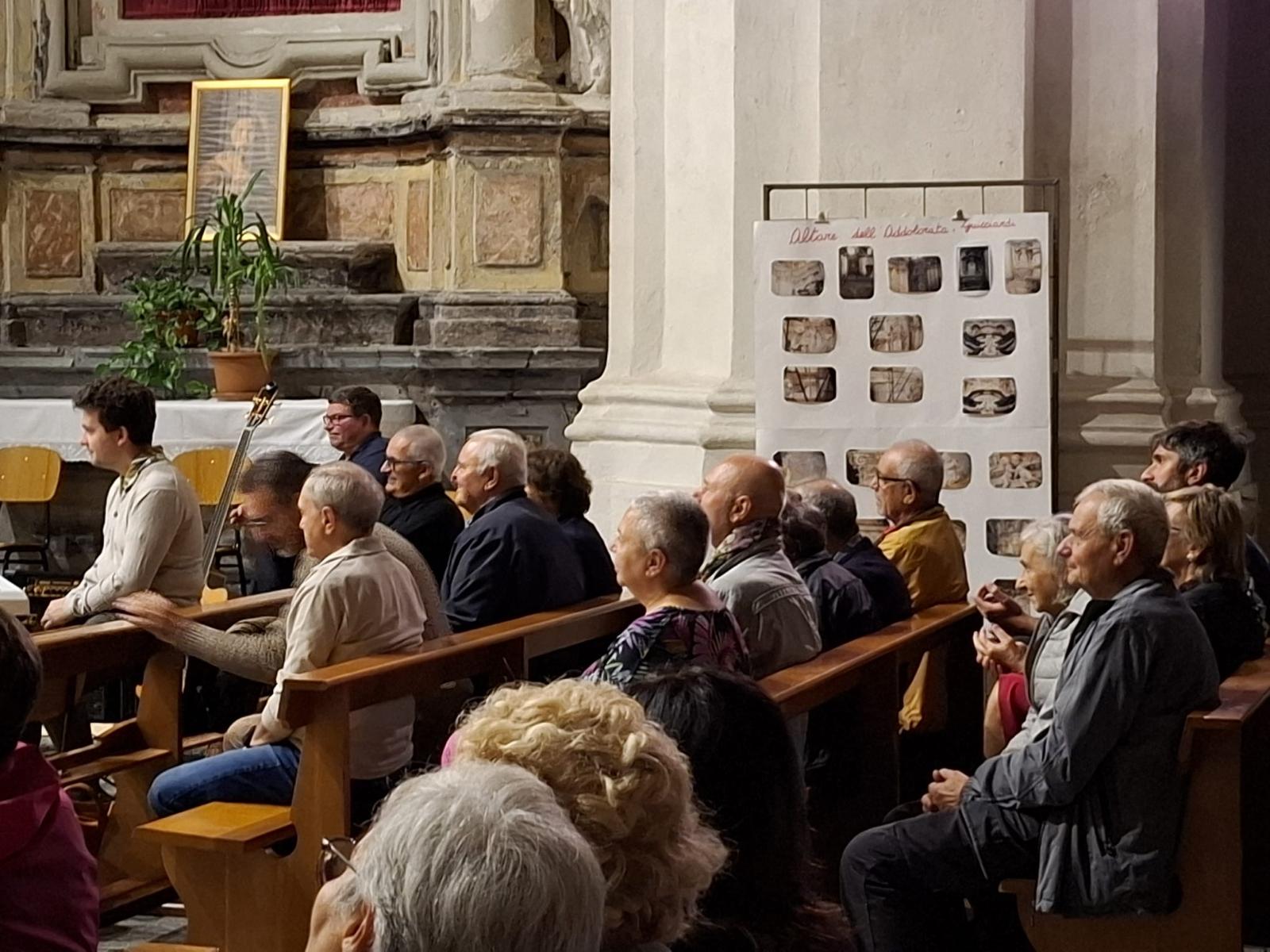
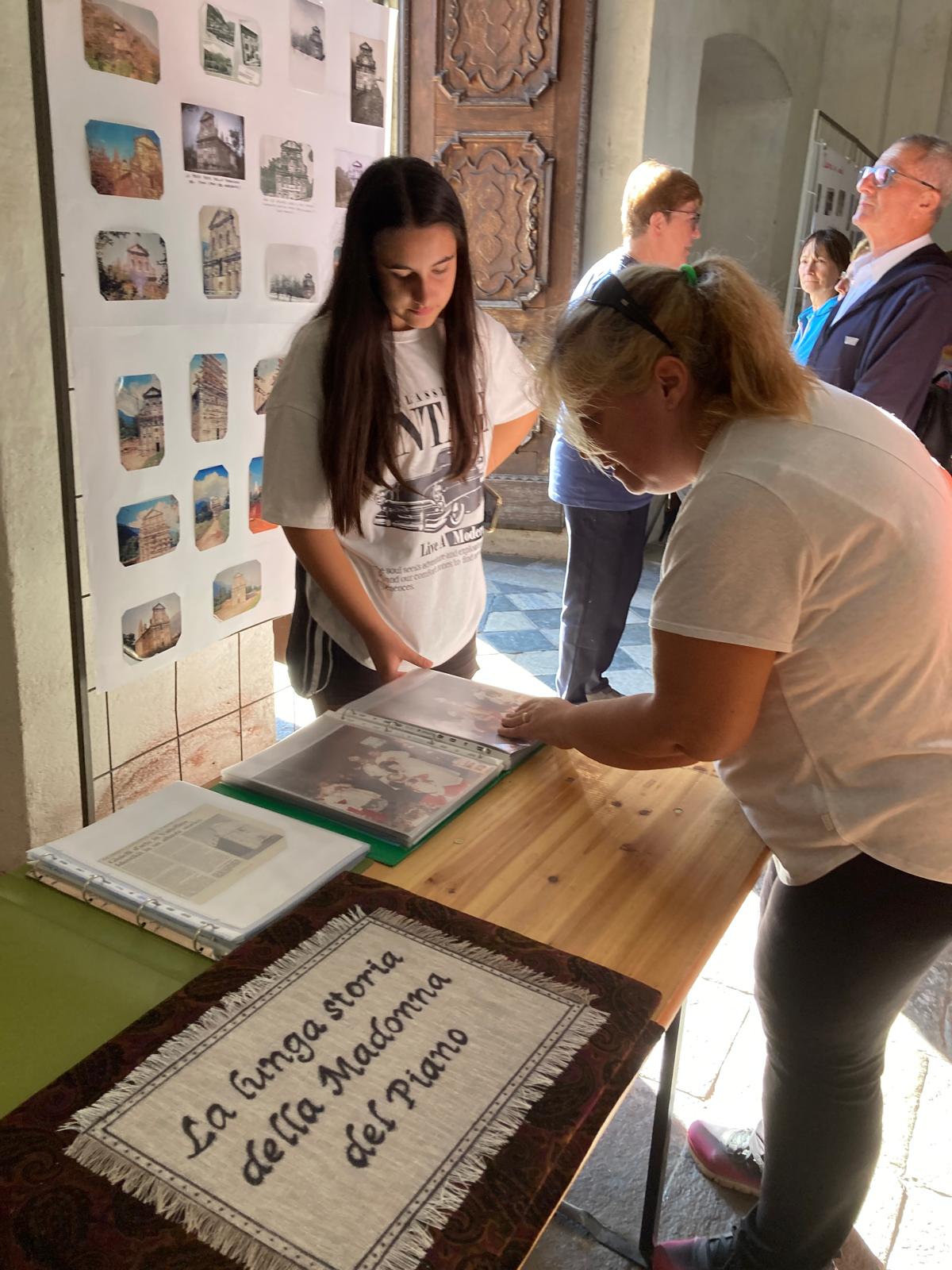
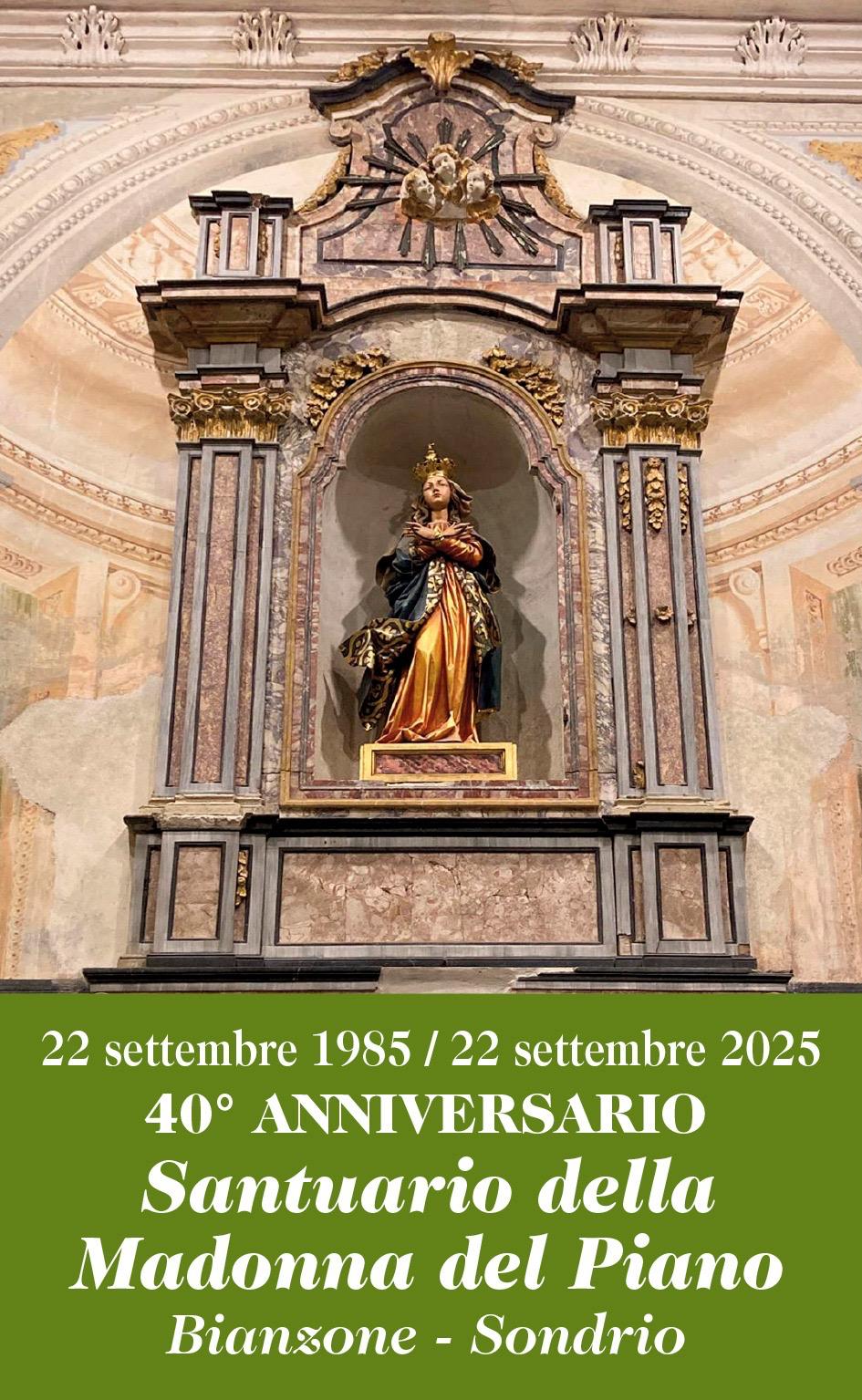
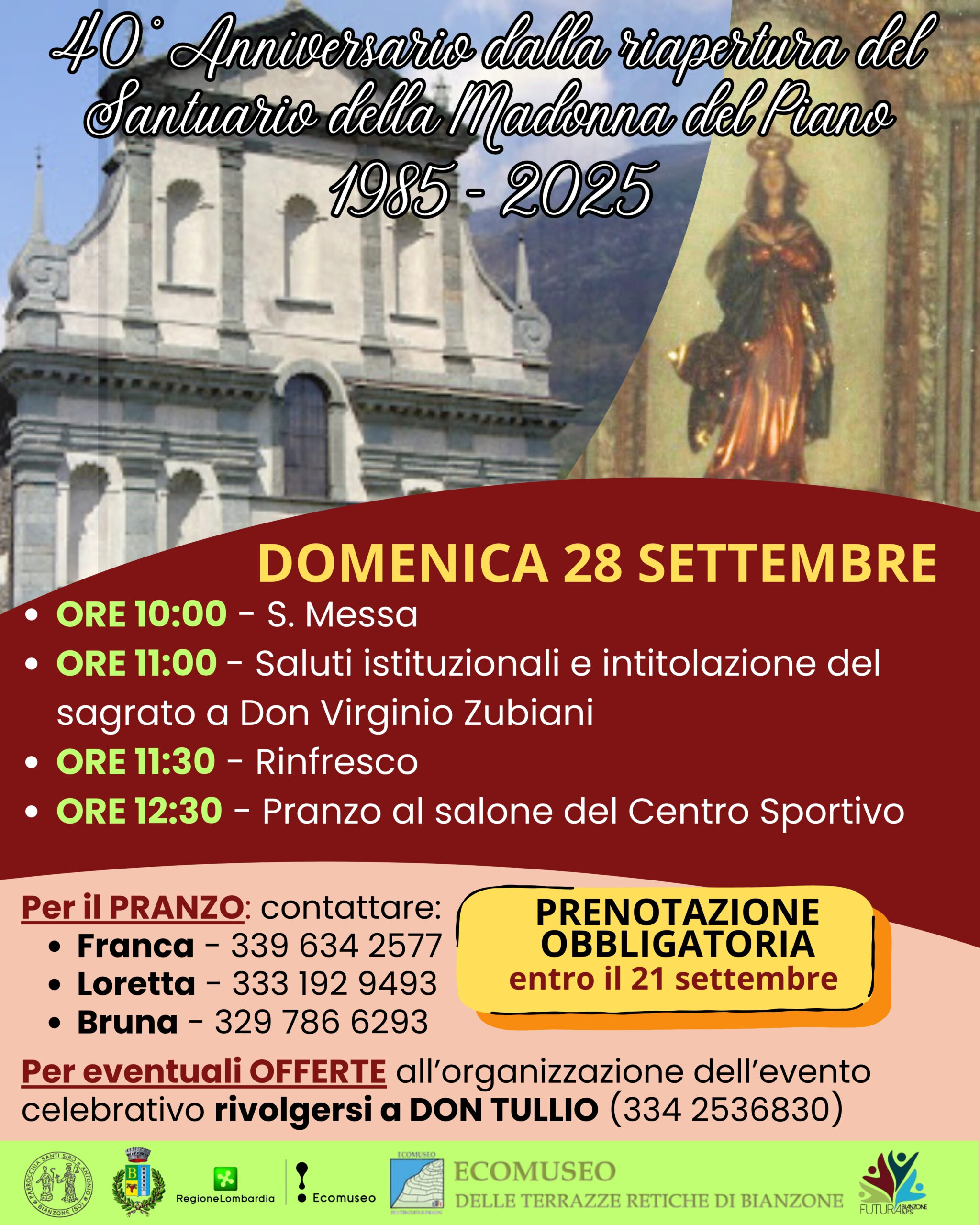
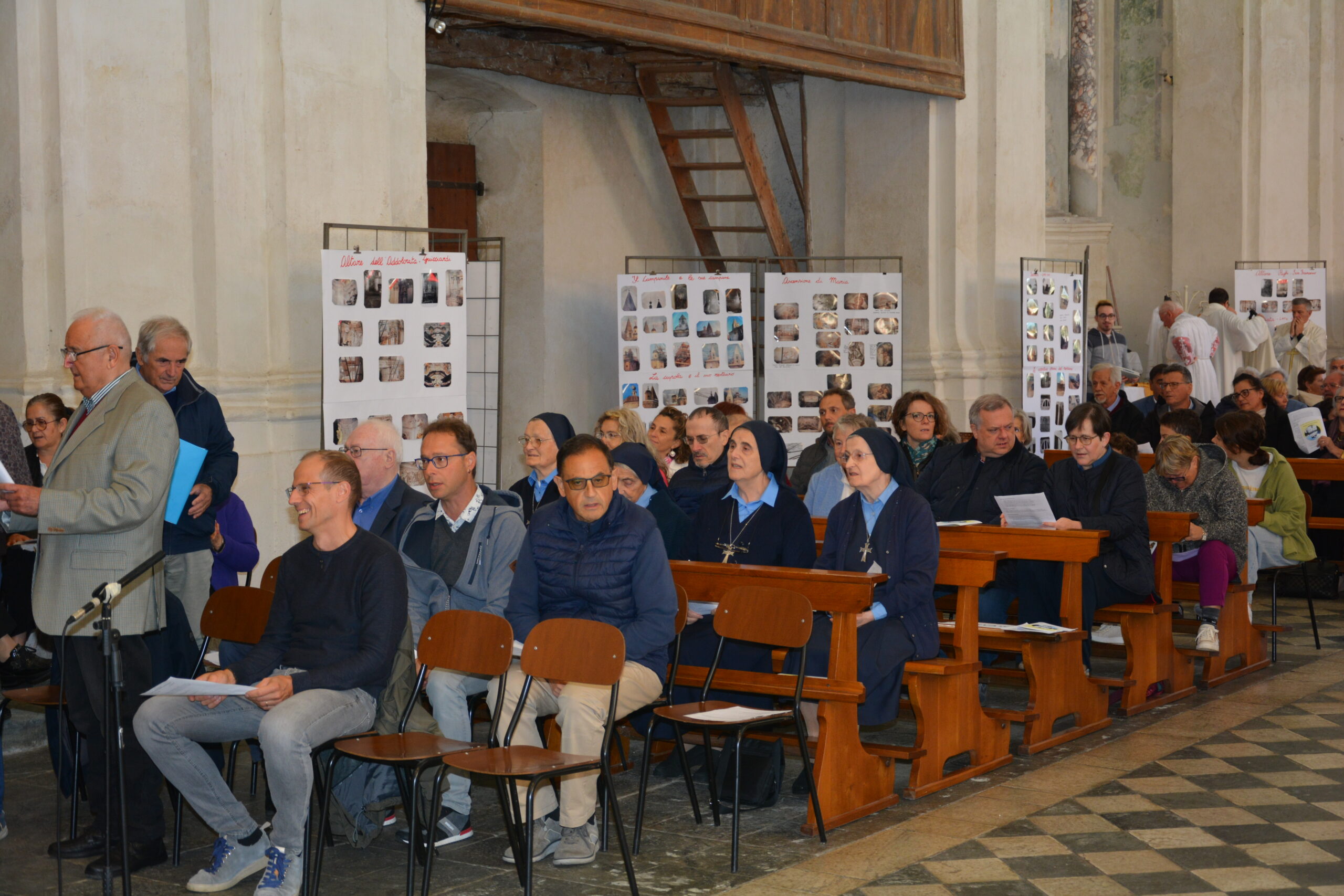
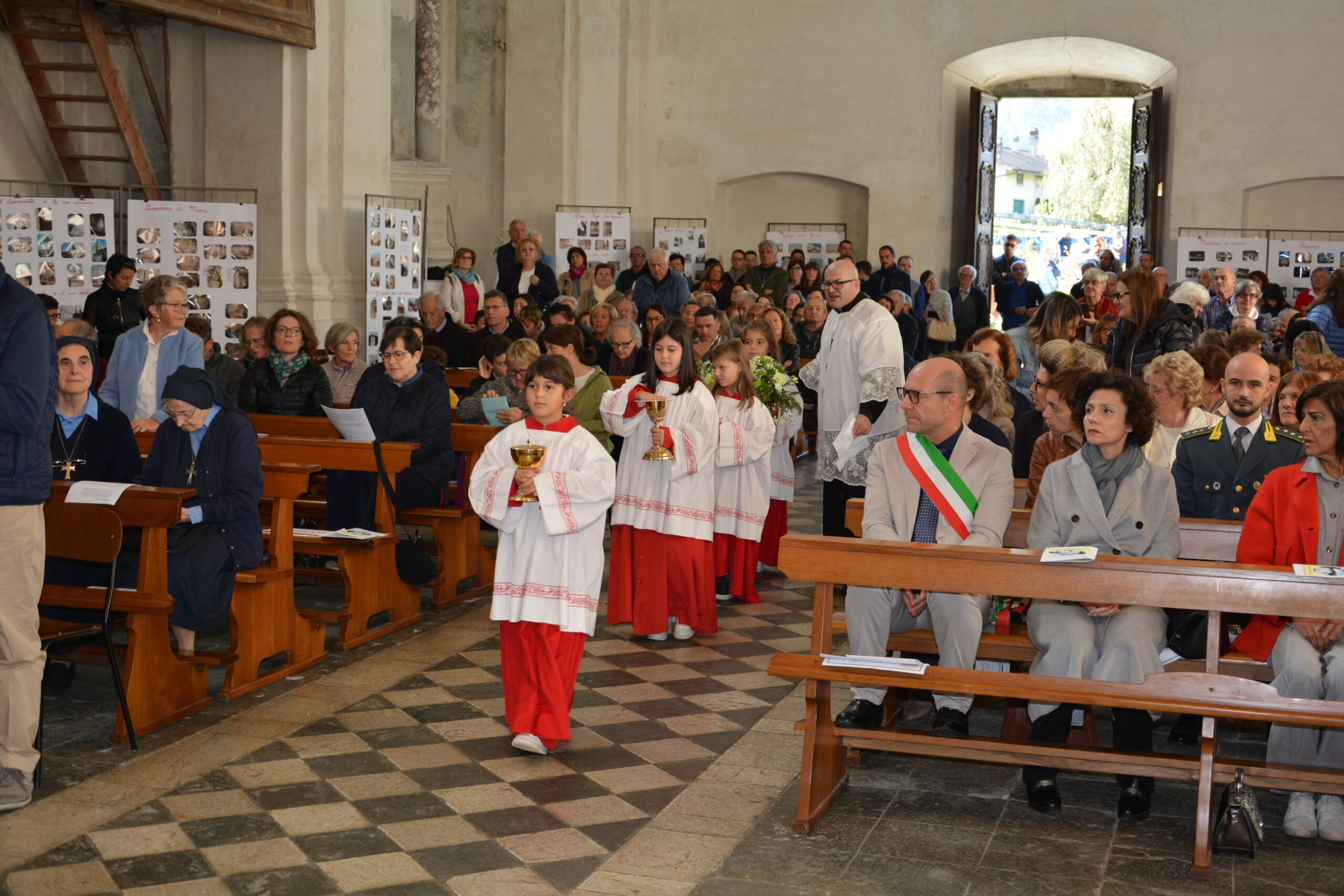
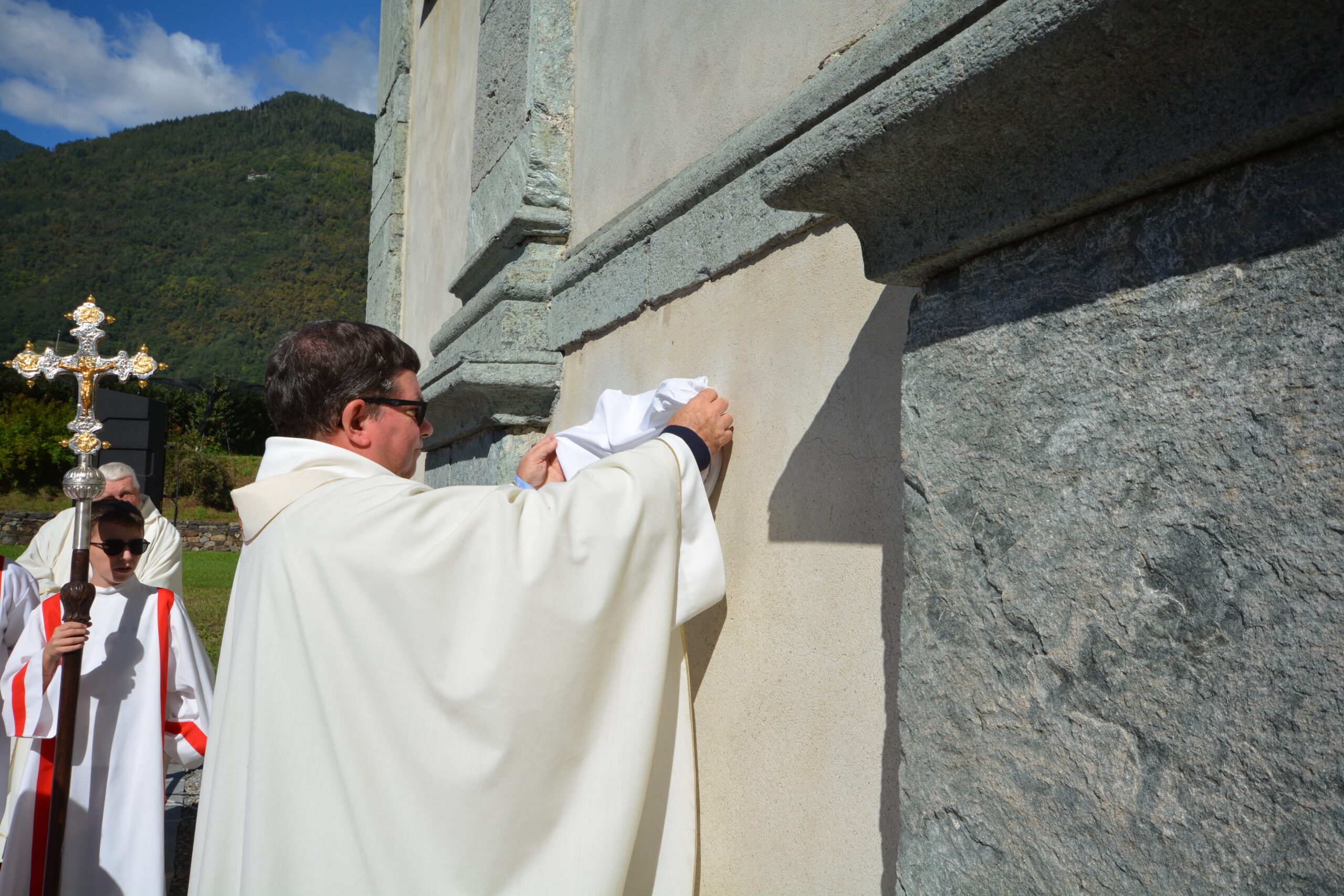
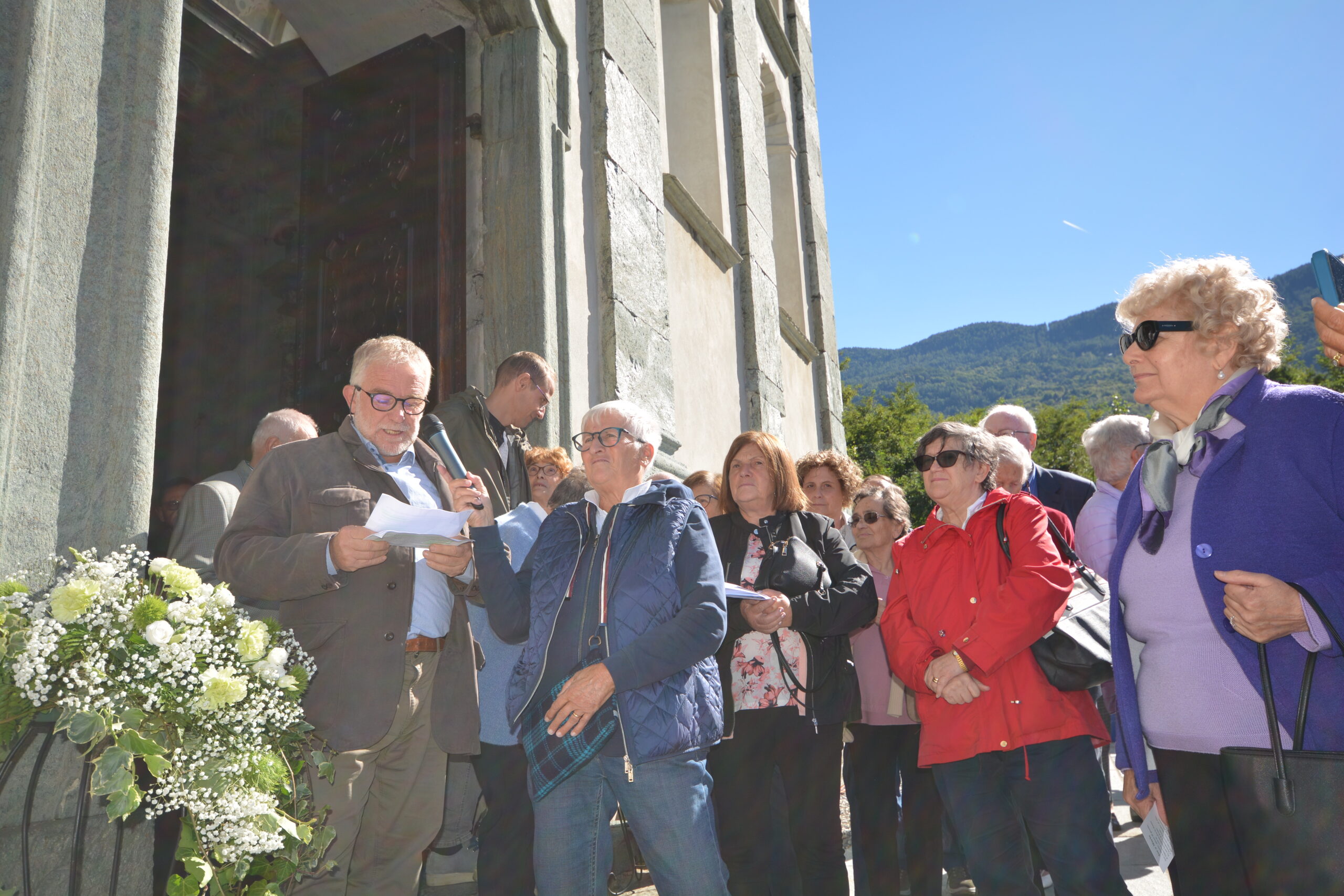
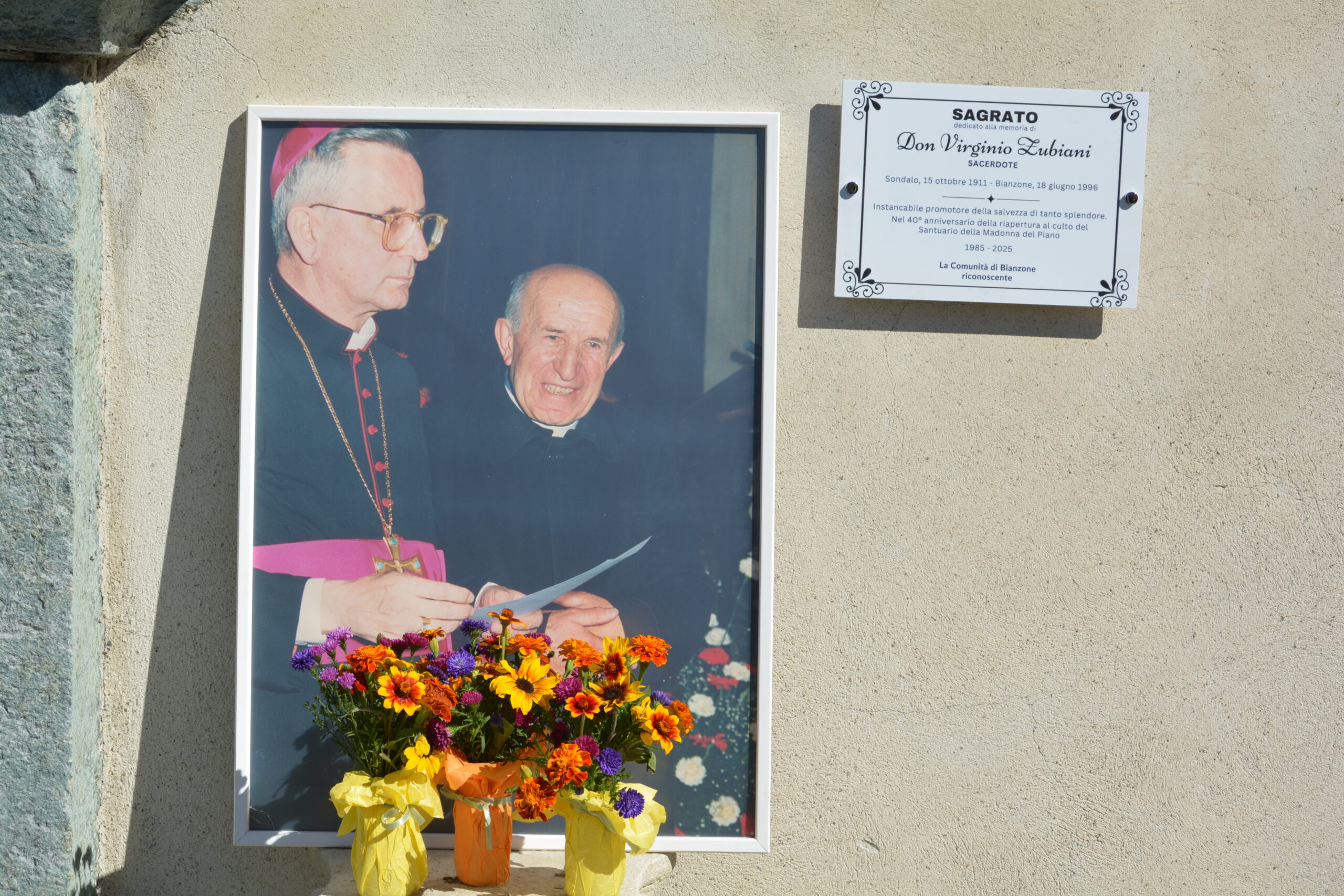
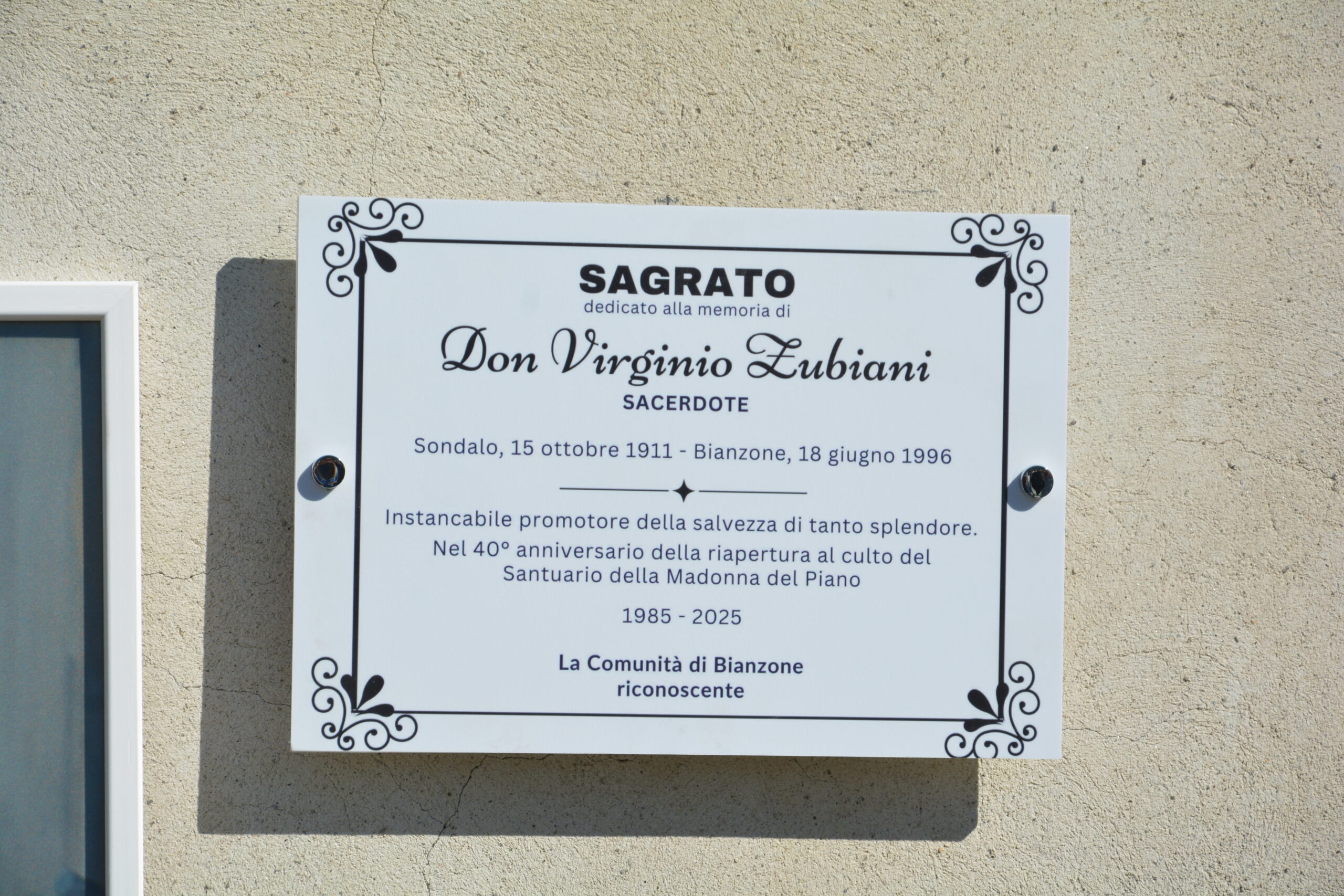
On 22 September 1985, the church reopened for worship after a long period of closure and major restoration, made possible by the tenacity of Fr Virginio Zubiani and the decisive relocation of the state highway. This event was celebrated with a procession to the transporting the new statue of Our Lady (the original one was stolen in 1961) from the parish church to the sanctuary, and cultural events such as concerts at the annual LeAltreNote festival.