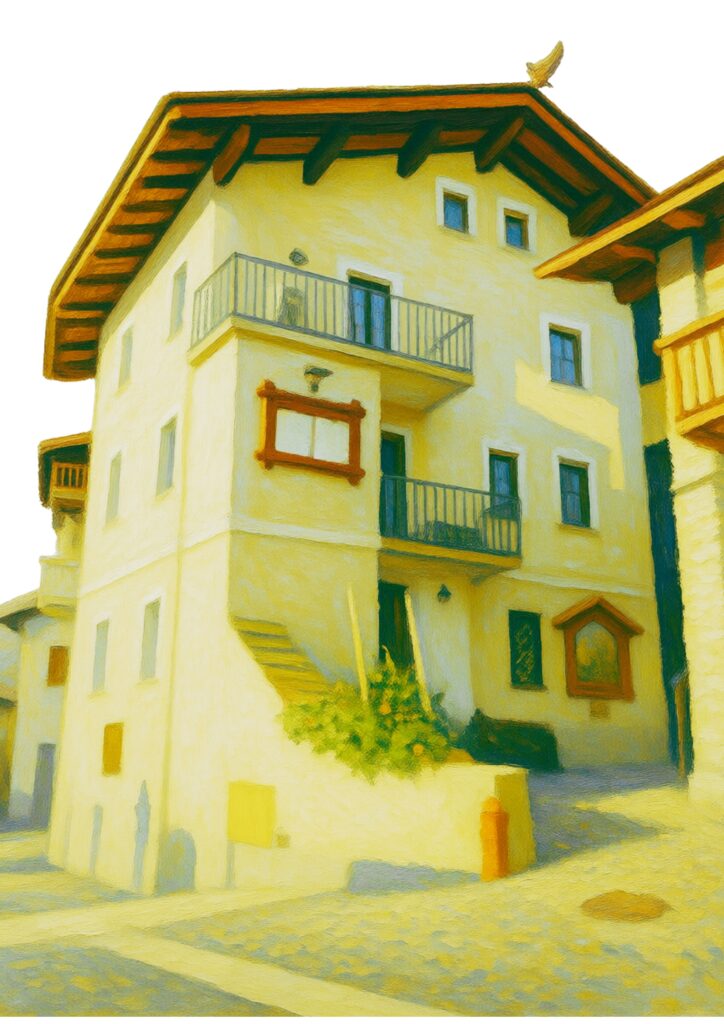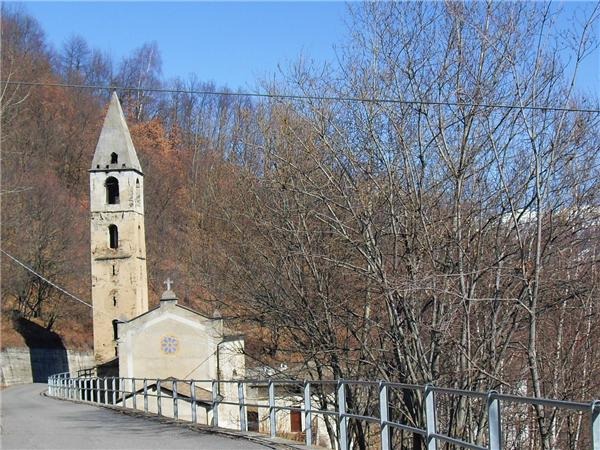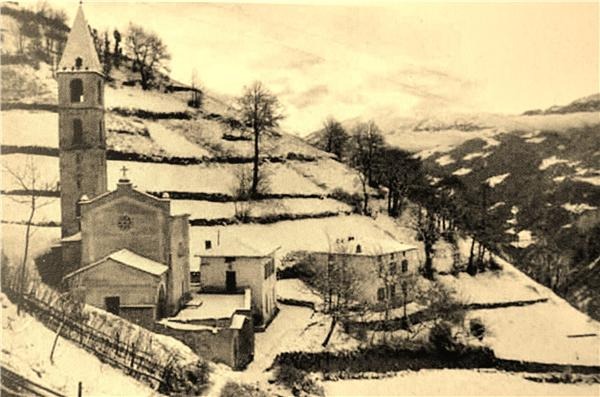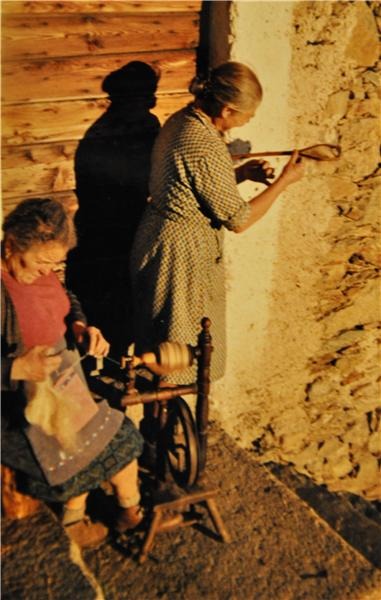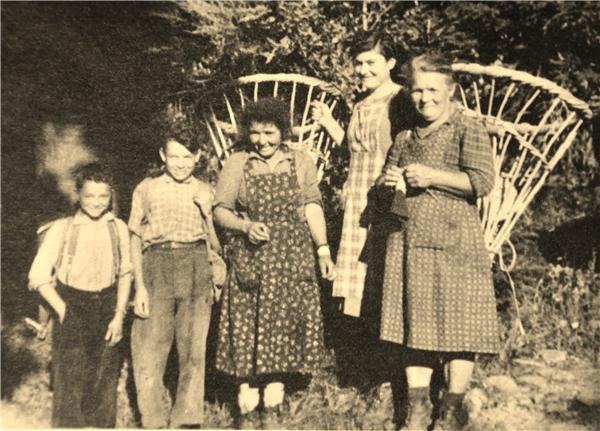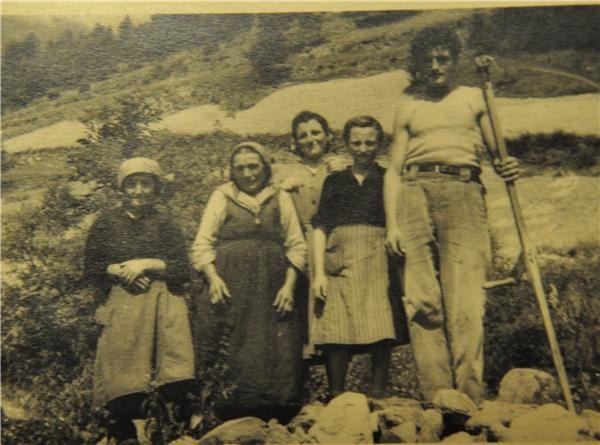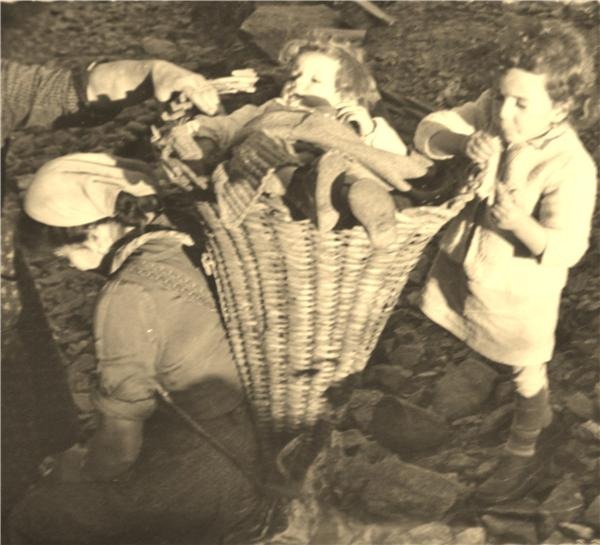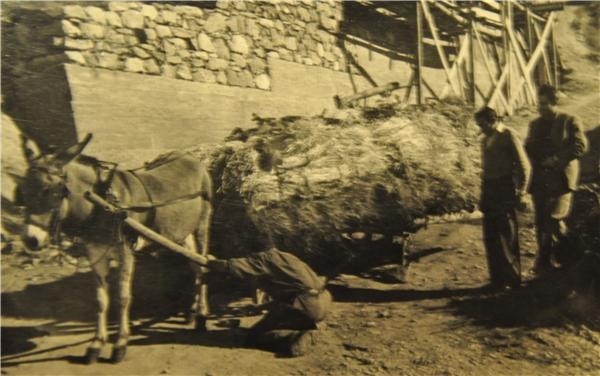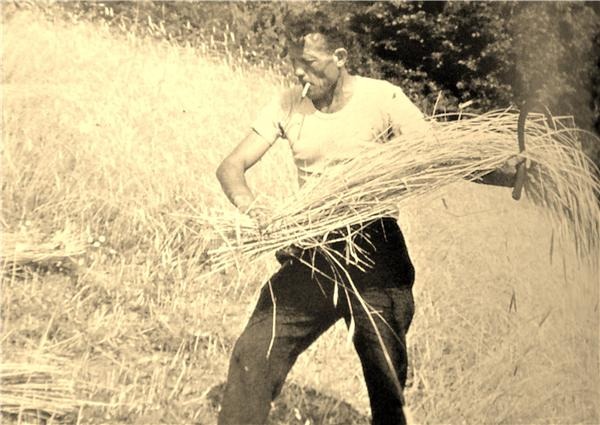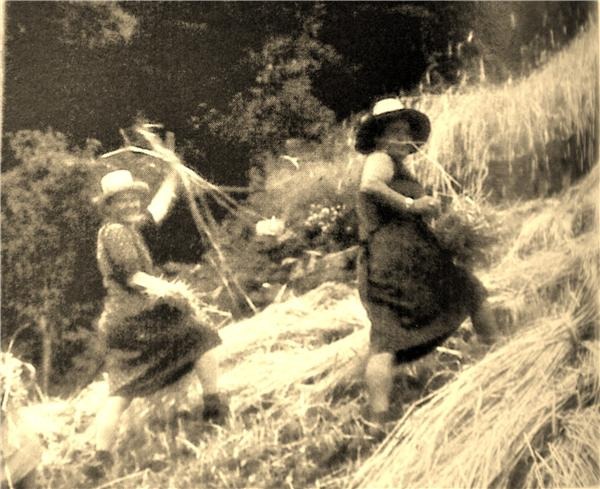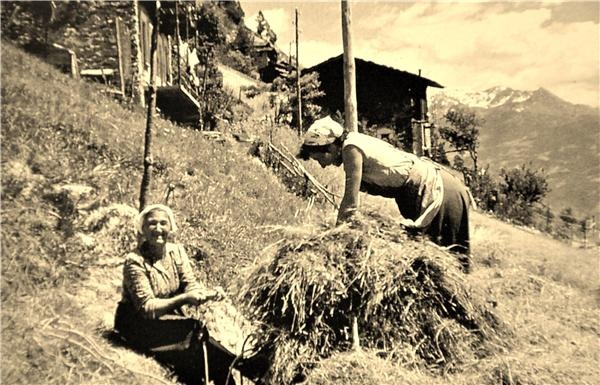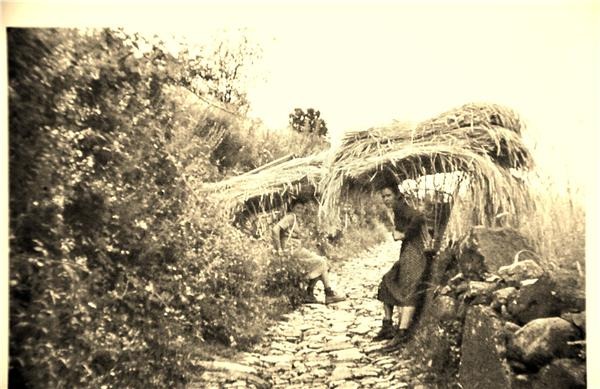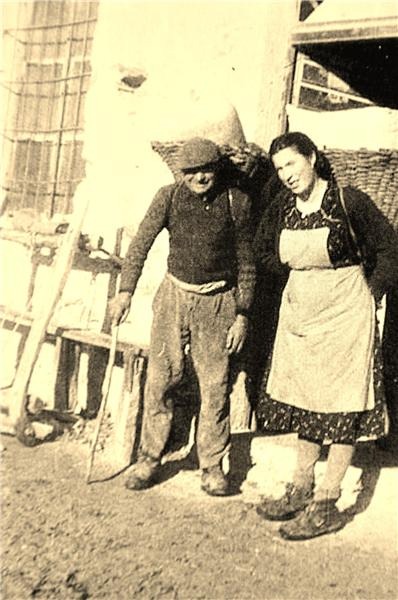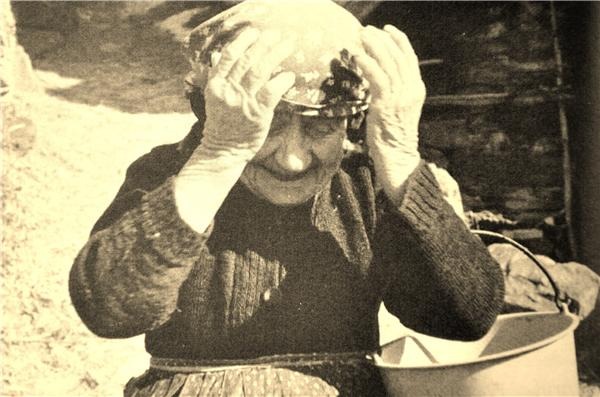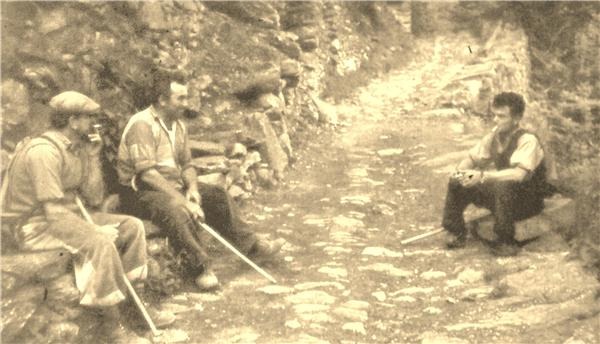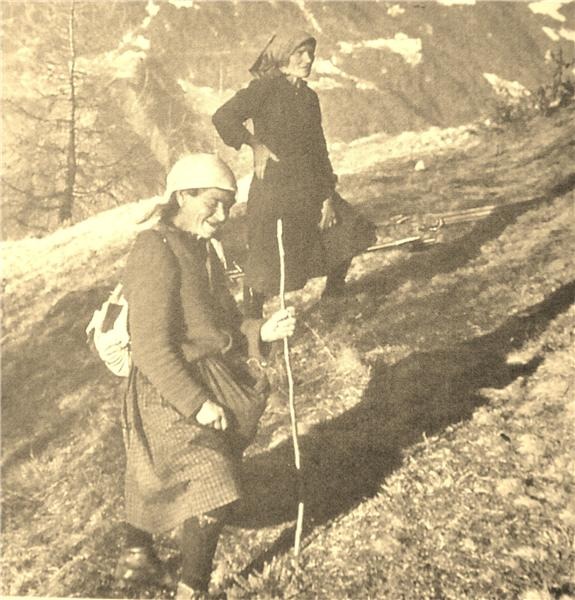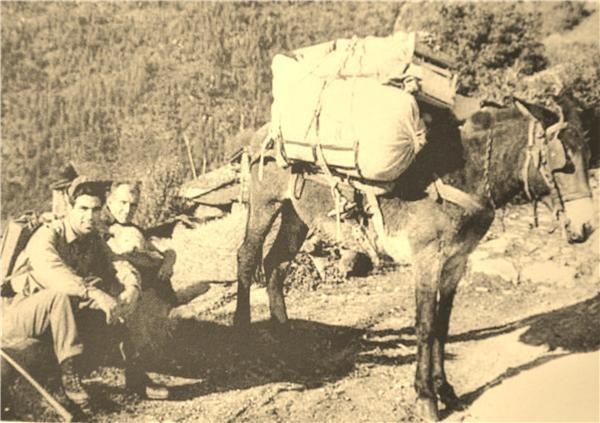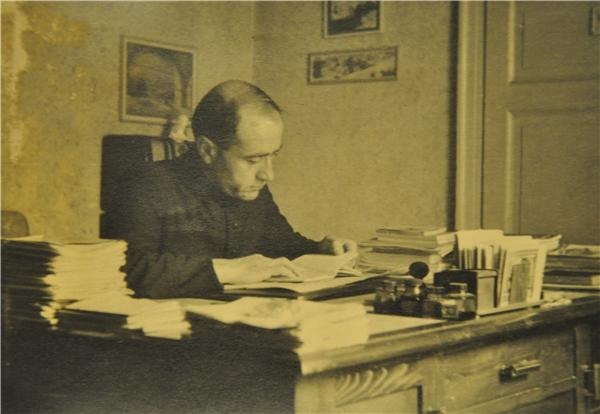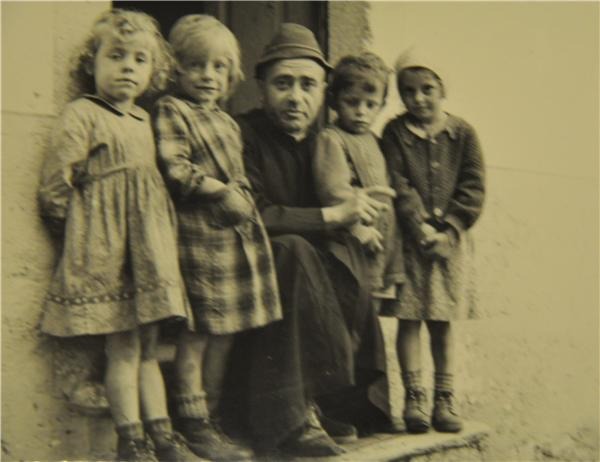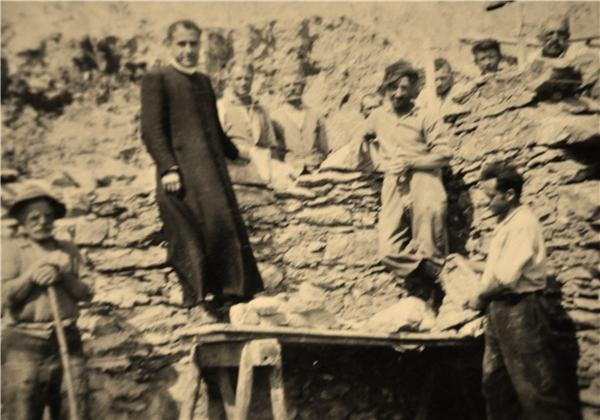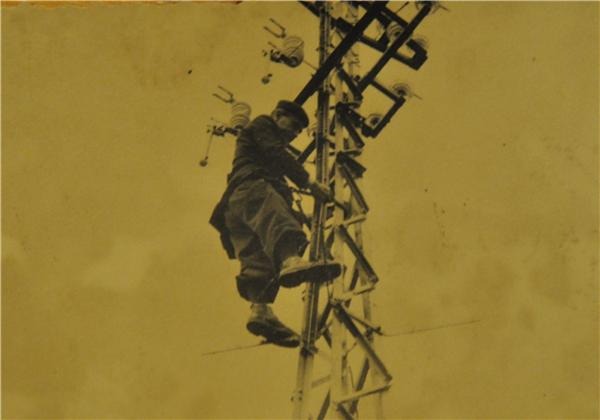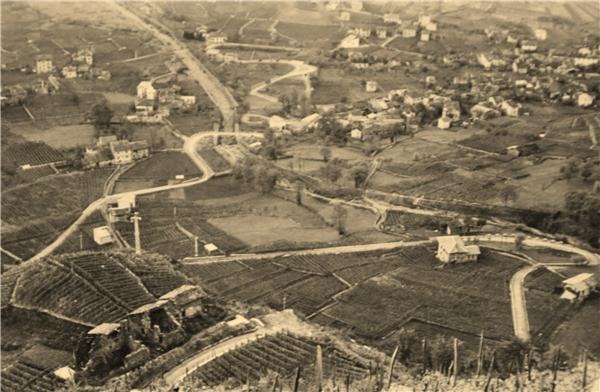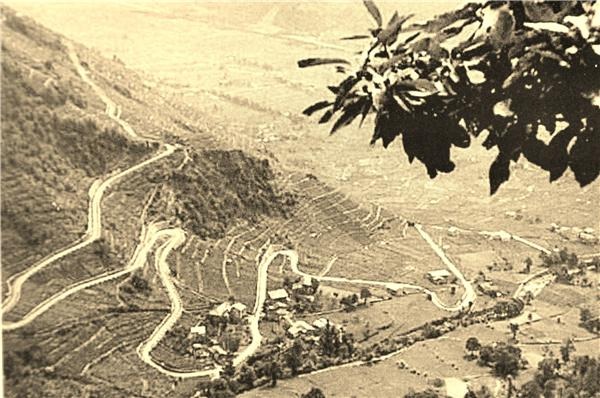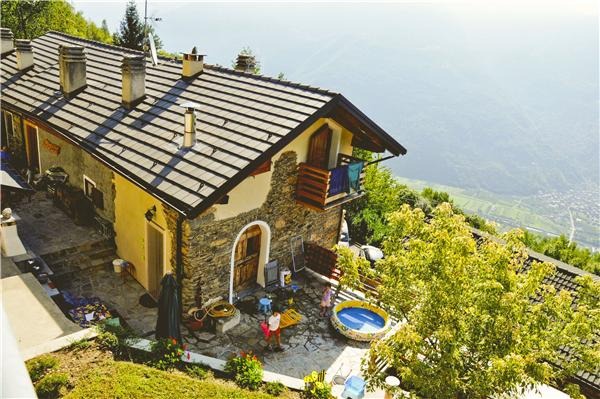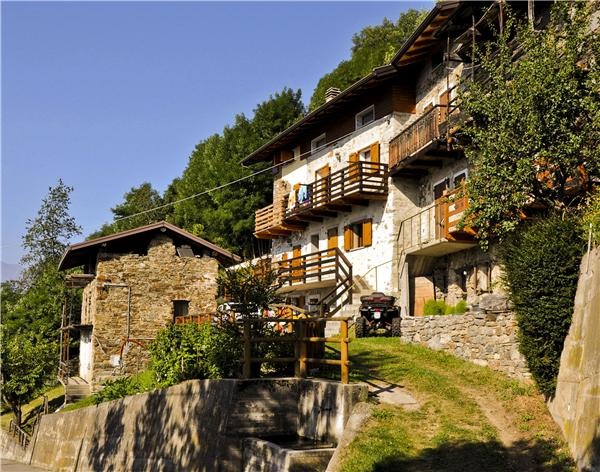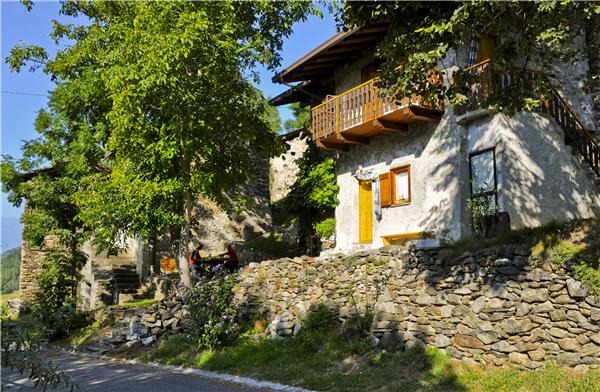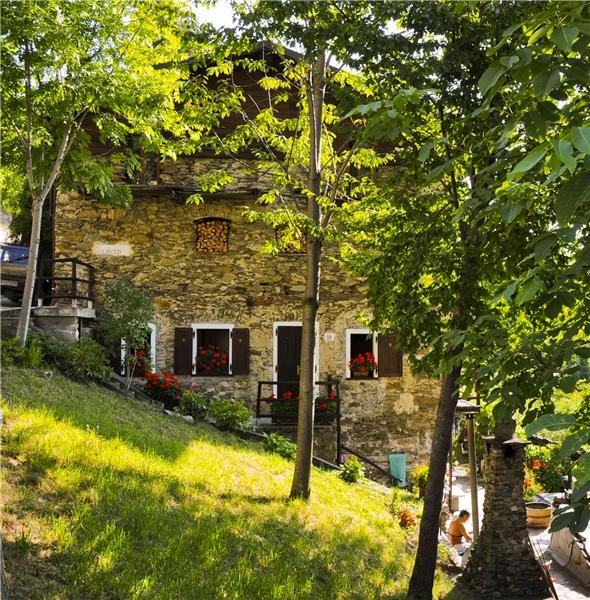

The Bratta is a hamlet of Bianzone located 1032 metres above sea level and about 6 km from the town. Although its origins are unknown, it is possible to reconstruct the history of the village through the testimonies of former inhabitants and the extensive photographic and film documentation collected by Fr Cyril Vitalini, priest at Bratta from 1939 to 1957.
A past of depopulation and smuggling
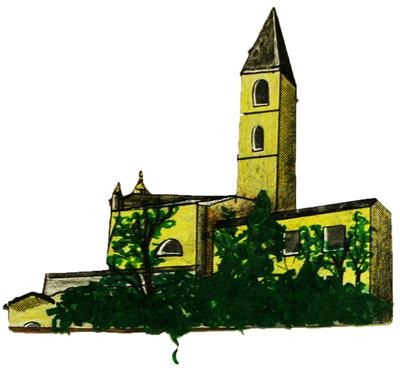
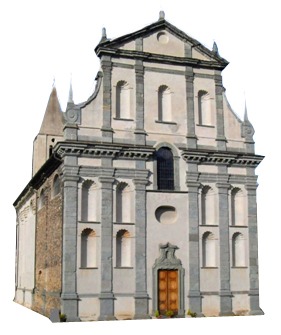
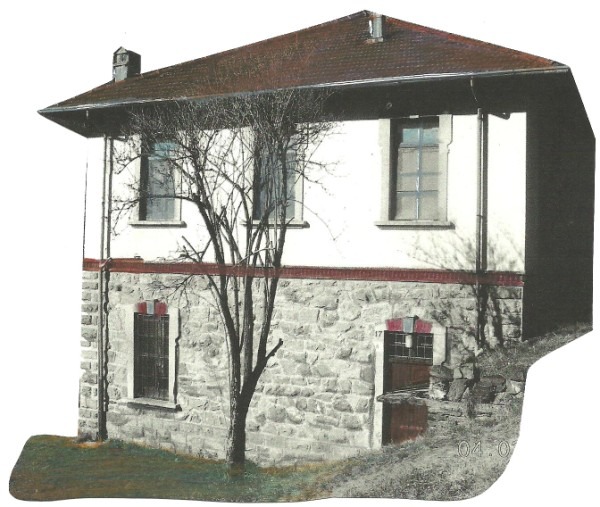
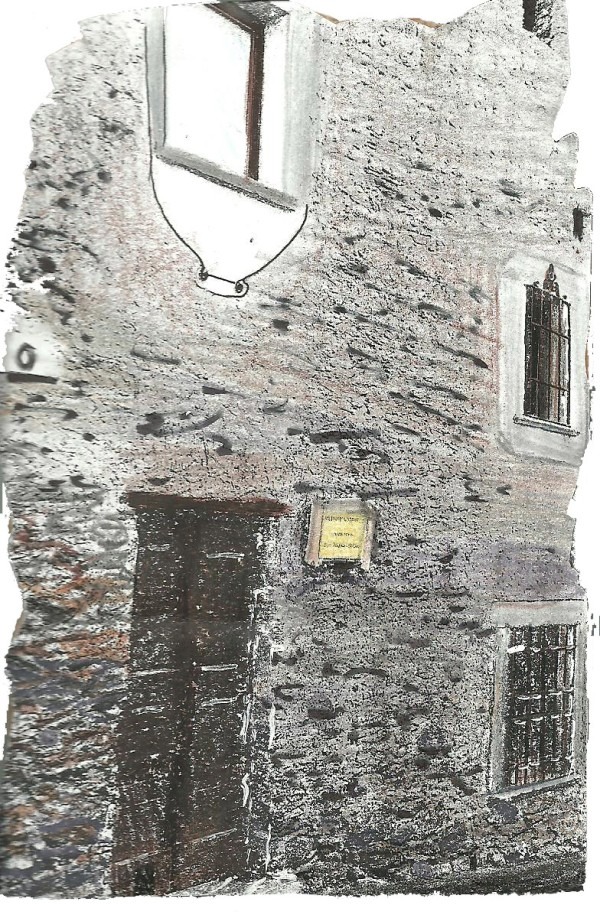
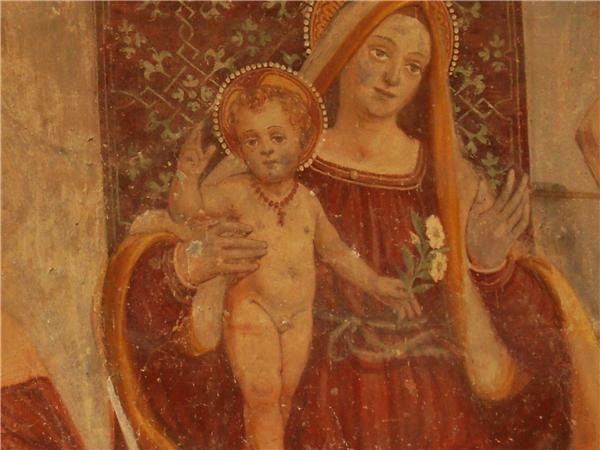
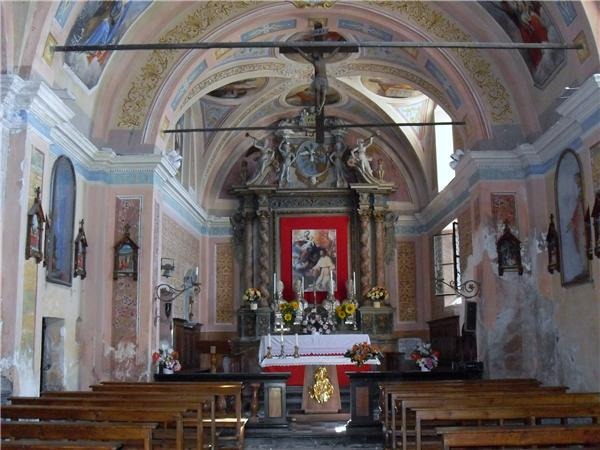
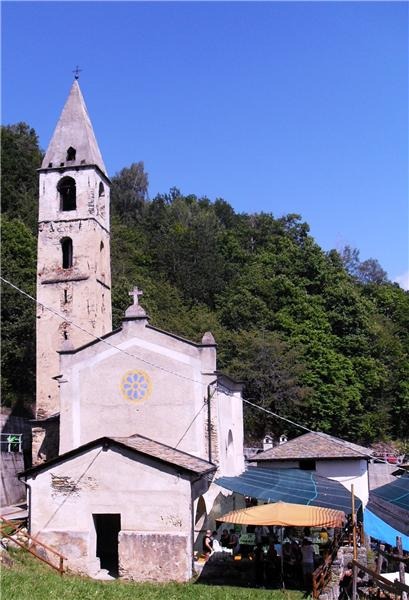
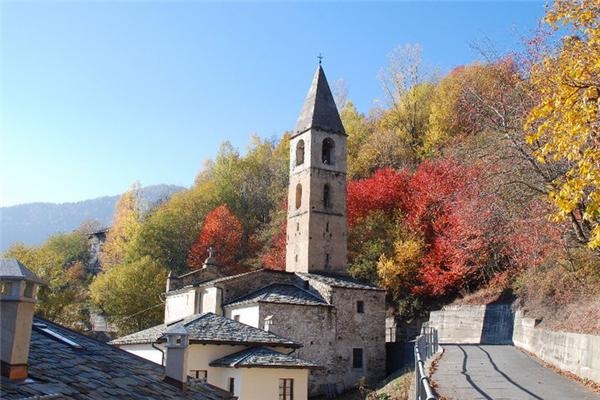
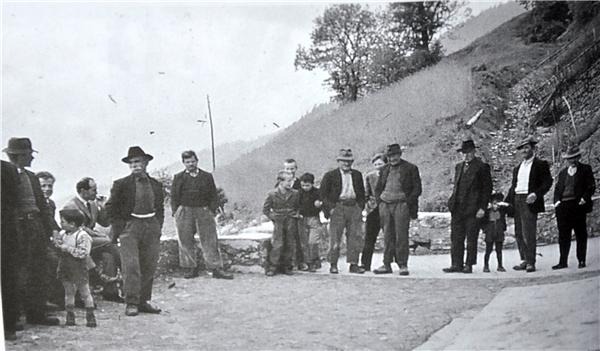
In 1939, the Bratta counted about 400 inhabitants and about a hundred families, but the population decreased drastically after World War II due to emigration and the move to Bianzone. Don Cirillo describes Bratta as a collection of houses and districts with a church (dedicated to St. Anthony Abbot), a school and a rectory at its centre.
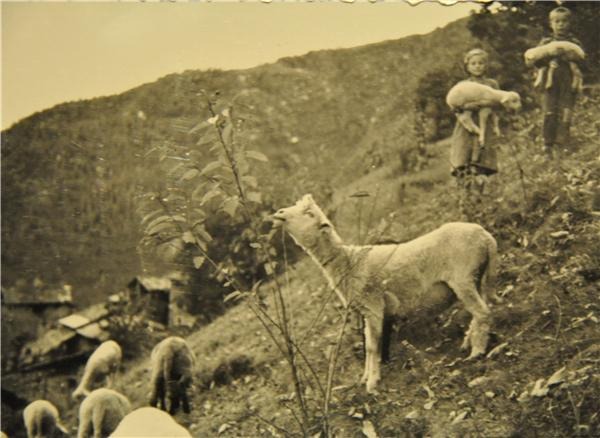
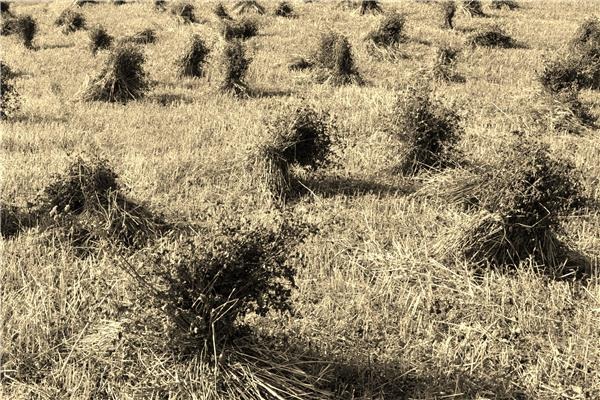
Life was difficult for the population, who were dedicated to agriculture (cultivation of rye, buckwheat, barley, potatoes) and sheep and goat breeding. During the war, the shortage of basic necessities led to the smuggling with Switzerland, exchanging agricultural products for salt.
After the war, this activity turned into the smuggling of cigarettes and coffee, contributing to the local economy. Despite the illegality, smuggling was not harshly opposed by the authorities, probably due to the severe post-war economic situation and the isolation of the community, which lacked a driveway to the village. The road construction, started in 1952, was one of Fr Cyril's main concerns in the last years of his ministry.
Today's revival
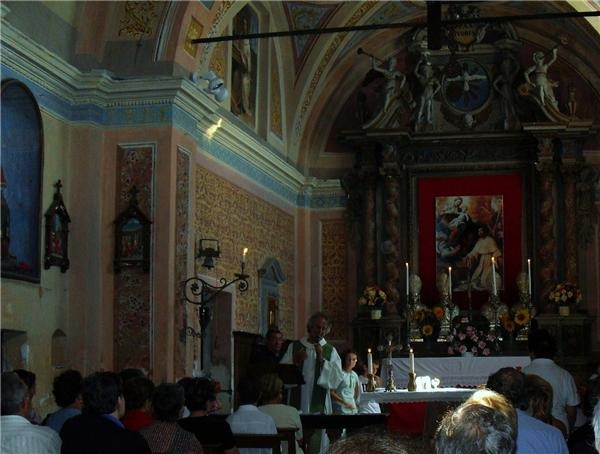
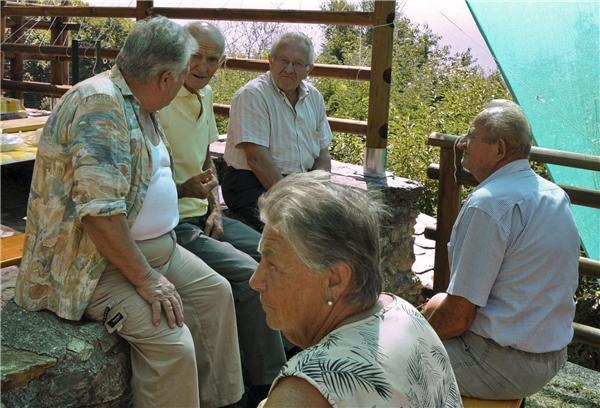
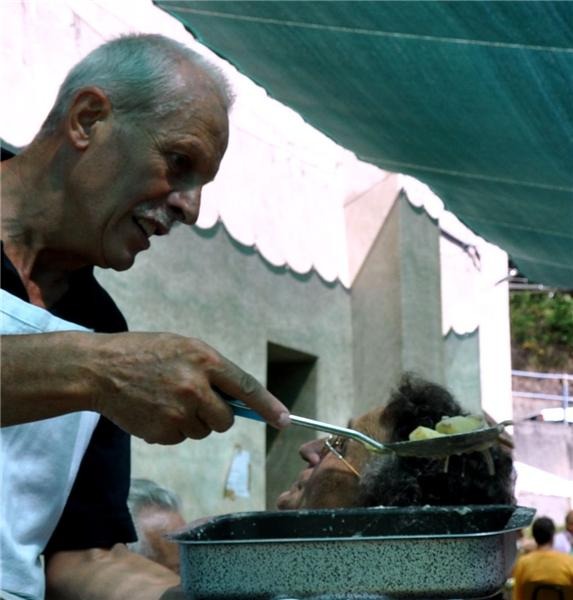
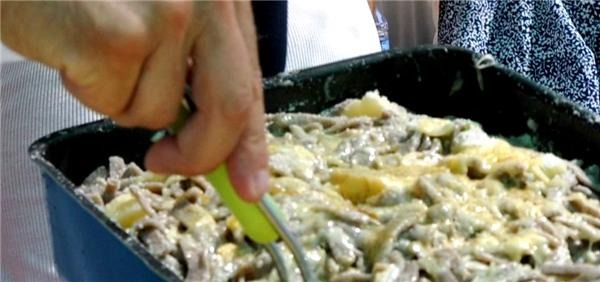
In the early 1970s, the last two remaining families abandoned Bratta, which remained uninhabited for many years. Today, however, one family has settled permanently and many people return during the summer to spend quiet periods in the renovated houses. The hamlet comes alive especially during the summer. Until a few years ago, in the second half of August, the patronal feast, with the celebration of mass in the church of Sant'Antonio and San Bernardo, the tasting of traditional pizzoccheri and the organisation of old-fashioned games.